કોઇમ્બતૂર: તમિલનાડુની ઔદ્યોગિક રાજધાની અને ડેરી પાવરહાઉસ
કોઇમ્બતૂર, જેને ઘણીવાર દક્ષિણ ભારતનું માન્ચેસ્ટર કહેવામાં આવે છે, તે તમિલનાડુ નું બીજું સૌથી મોટું શહેર છે અને પશ્ચિમ ક્ષેત્રનું ઔદ્યોગિક હૃદય છે. 21 લાખથી વધુ મહાનગર વસ્તી, ઊંડે જડિત કાપડ અને એન્જિનિયરિંગ ઉત્પાદન આધાર, અને ઝડપથી વિસ્તરતા IT કોરિડોર સાથે, કોઇમ્બતૂર ઉચ્ચ ખર્ચ કરવાયોગ્ય આવક, ગીચ શહેરી વપરાશ અને મજબૂત પરંપરાગત ડેરી સંસ્કૃતિને જોડે છે. ડેરી વિતરકો માટે, કોઇમ્બતૂર દક્ષિણ ભારતના સૌથી આકર્ષક નોન-મેટ્રો ડેરી બજારોમાંનું એક છે: સ્થિર માંગ, વિકસતો પ્રીમિયમ સેગમેન્ટ, Aavin દ્વારા પ્રબળ સહકારી પુરવઠો, અને તિરુપુર, પોલ્લાચી, સેલમ અને ઇરોડને જોડતું મજબૂત ઉપગ્રહ બજાર.
તમિલનાડુ ભારતના ટોચના પાંચ દૂધ ઉત્પાદક રાજ્યોમાંનું એક છે, જેની દૈનિક ખરીદી આશરે 250 લાખ લિટર છે. એકલા કોઇમ્બતૂર જિલ્લાનું નોંધપાત્ર યોગદાન છે, અને શહેર પોતે પશ્ચિમ ક્ષેત્રનું સૌથી મોટું ડેરી વપરાશ કેન્દ્ર છે. કોઇમ્બતૂરમાં ડેરી વિતરણ લેન્ડસ્કેપ એક મહત્વપૂર્ણ રીતે અસામાન્ય છે: સહકારી બ્રાન્ડ Aavin સંગઠિત બજારના 60 ટકાથી વધુ હિસ્સાને નિયંત્રિત કરે છે, જે અન્ય ભારતીય મેટ્રોમાં ભાગ્યે જ જોવા મળતું વર્ચસ્વ છે. આ સ્થાપિત સહકારી સામે સ્પર્ધા કરવા માટે અન્ય મોટાભાગના બજારો કરતાં તીક્ષ્ણ વિતરણ શિસ્ત, મજબૂત મૂલ્યવર્ધિત ઉત્પાદન પોર્ટફોલિયો અને વધુ સારી ટેકનોલોજી અમલીકરણની જરૂર છે.
કોઇમ્બતૂર ડેરી બજાર સ્નેપશોટ (2026)
| મેટ્રિક | કોઇમ્બતૂર મેટ્રો | તમિલનાડુ |
|---|---|---|
| વસ્તી (2026) | 21.5 લાખ | 7.9 કરોડ |
| દૈનિક દૂધ વપરાશ | 9 લાખ લિટર | 180 લાખ લિટર |
| સંગઠિત ડેરી બજાર હિસ્સો | 72% | 58% |
| નોંધાયેલા ડેરી વિતરકો | 520+ | 5,200+ |
| પ્રબળ સહકારી બ્રાન્ડ | Aavin (~60%) | Aavin (~52%) |
| ઉનાળાનું ટોચનું તાપમાન | 38-41 ડિગ્રી સેલ્સિયસ | 40-44 ડિગ્રી સેલ્સિયસ |
| કોલ્ડ સ્ટોરેજ સુવિધાઓ (સંગઠિત) | 140+ | 1,100+ |
| HORECA ડેરી માંગ હિસ્સો | 20% | 14% |
| દહીં / છાશ ડેરી ખર્ચમાં હિસ્સો | 32% | 30% |
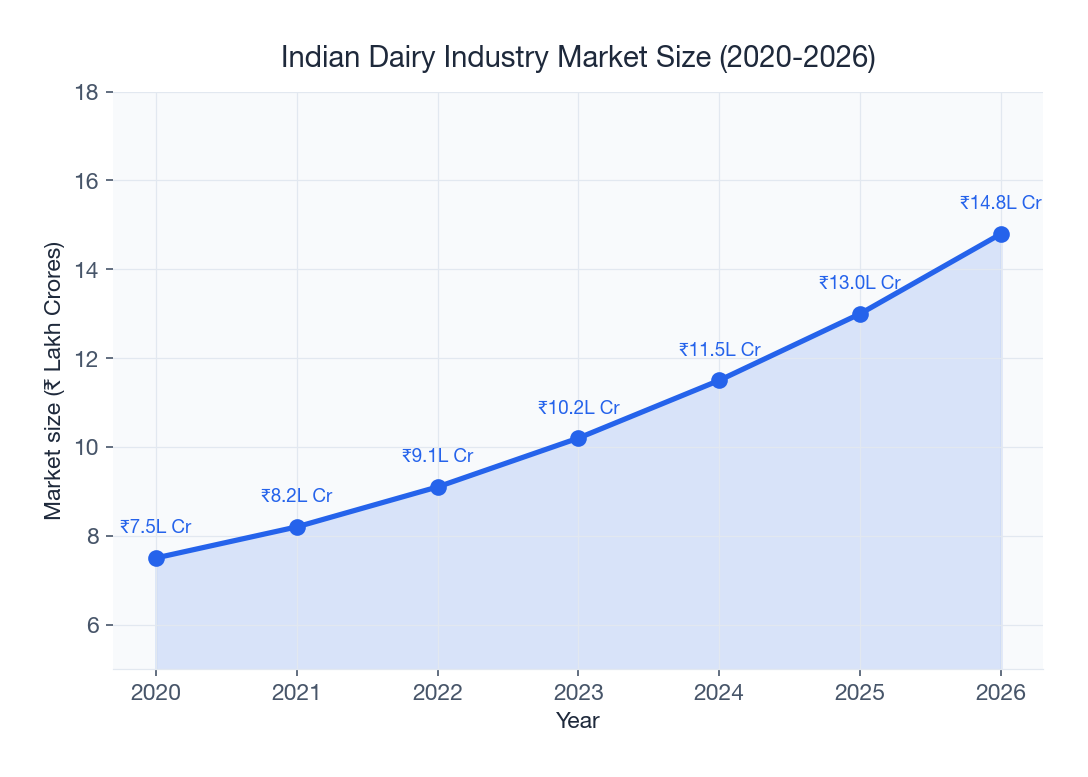
કોઇમ્બતૂર ઉચ્ચ ક્ષમતા ધરાવતું ડેરી વિતરણ બજાર શા માટે છે
1. મજબૂત ખર્ચ કરવાયોગ્ય આવક સાથેની ઔદ્યોગિક રાજધાની
કોઇમ્બતૂરમાં 25,000 થી વધુ નાના અને મધ્યમ એન્જિનિયરિંગ યુનિટ્સ, તિરુપુર પછી દેશનો સૌથી મોટો કાપડ ક્લસ્ટર, અને Tidel Park, KCT Tech Park અને Cognizant ના Saravanampatti કેમ્પસની આસપાસ કેન્દ્રિત ઝડપથી વધતું IT સેવા ક્ષેત્ર છે. આ ઔદ્યોગિક ઘનતા સતત ખરીદશક્તિ સાથેના મોટા મધ્યમવર્ગીય કાર્યદળને ટેકો આપે છે, બ્રાન્ડેડ ડેરી, પ્રીમિયમ ઘી, પનીર અને આઇસક્રીમની સ્થિર માંગને પ્રેરિત કરે છે. અસ્થિર કૃષિ બજારોથી વિપરીત, કોઇમ્બતૂરનો ઔદ્યોગિક આધાર સમગ્ર વર્ષ દરમિયાન અનુમાનિત ડેરી વપરાશ બનાવે છે.
2. ઊંડે જડેલી દહીં અને છાશ સંસ્કૃતિ
તમિલ ભોજનમાં ખાસ કરીને ગરમ ઉનાળાના મહિનાઓમાં દહીં ભાત અને ઠંડી છાશ સાર્વત્રિક રીતે હોય છે. કોઇમ્બતૂરના ઘરો તેમના ડેરી ખર્ચના આશરે 32 ટકા દહીં અને છાશ પર ખર્ચ કરે છે, જે અખિલ ભારતીય સરેરાશ 18 ટકા કરતાં ઘણું વધારે છે. આ સાંસ્કૃતિક આધાર ઉચ્ચ-વોલ્યુમ, ઉચ્ચ-આવૃત્તિ શ્રેણી બનાવે છે જે આર્થિક મંદી સામે માળખાકીય રીતે પ્રતિરોધક છે. દહીં અને છાશની આસપાસ મજબૂત કોલ્ડ ચેઇન શિસ્ત બાંધનારા વિતરકો પ્રવાહી દૂધના માર્જિન સંકોચાય ત્યારે પણ સ્થિર માર્જિન મેળવી શકે છે.
3. પશ્ચિમ તમિલનાડુ હબ ભૂગોળ
કોઇમ્બતૂર NH-544 (સેલમથી કોચી) અને NH-948 ના આંતરછેદ પર બેસે છે, તિરુપુર (50 કિમી), પોલ્લાચી (45 કિમી), ઇરોડ (100 કિમી), સેલમ (160 કિમી) અને કેરળના પાલક્કાડ ગેટવે સાથે સીધી કનેક્ટિવિટી છે. કોઇમ્બતૂરમાં સ્થિત ડેરી વિતરકો 3-કલાક કોલ્ડ ચેઇન ત્રિજ્યામાં પશ્ચિમ તમિલનાડુમાં લગભગ 80 લાખ ગ્રાહકોના ઉપગ્રહ બજારની કાર્યક્ષમ રીતે સેવા આપી શકે છે. ભારતના થોડા નોન-મેટ્રો શહેરો શહેરી ઘનતા અને પ્રાદેશિક પહોંચનું આ સંયોજન પ્રદાન કરે છે.
4. અખિલ ભારતીય સરેરાશને પાછળ રાખતી પ્રીમિયમ ડેરી માંગ
શહેરના IT અને એન્જિનિયરિંગ વ્યાવસાયિકો, પાછા ફરતા NRIs અને મજબૂત સુખાકારી-કેન્દ્રિત મધ્યમ વર્ગ સાથે, પ્રીમિયમ ડેરી માંગને 28-32 ટકા વાર્ષિક વૃદ્ધિ પર ચલાવી છે. A2 દૂધ, પ્રોબાયોટિક દહીં, ઓર્ગેનિક ઘી, કલાત્મક ચીઝ અને ગ્રીક યોગર્ટ હવે સાંઇબાબા કોલોની, RS પુરમ, રેસ કોર્સ અને વડવલ્લીમાં મુખ્ય પ્રવાહમાં છે. આ પ્રીમિયમ સેગમેન્ટ 12-22 ટકા વિતરક માર્જિન વહન કરે છે, જે સમગ્ર પોર્ટફોલિયો નફાકારકતામાં નાટકીય રીતે સુધારો કરે છે.
5. HORECA અને સંસ્થાકીય ઘનતા
કોઇમ્બતૂરની હોટેલ અને રેસ્ટોરન્ટ ઘનતા, મજબૂત લગ્ન બેન્ક્વેટિંગ સંસ્કૃતિ અને બહુવિધ મોટા શૈક્ષણિક કેમ્પસ (PSG, અમૃતા, કરુણ્યા, GCT) સાથે, ઊંડું સંસ્થાકીય ડેરી માંગ સ્તર બનાવે છે. HORECA શહેરના ડેરી વપરાશના લગભગ 20 ટકા હિસ્સો ધરાવે છે, જે સંસ્થાકીય ઓર્ડર મેનેજમેન્ટ ને ગંભીર વિતરકો માટે મહત્વપૂર્ણ ક્ષમતા બનાવે છે.
કોઇમ્બતૂરમાં કાર્યરત મુખ્ય ડેરી બ્રાન્ડ્સ
Aavin (તમિલનાડુ સહકારી દૂધ ઉત્પાદક સંઘ)
Aavin કોઇમ્બતૂરના ડેરી બજારમાં પ્રબળ શક્તિ છે, સંગઠિત પ્રવાહી દૂધના અંદાજિત 60 ટકા હિસ્સા અને સબસિડીવાળા સંસ્થાકીય પુરવઠામાં લગભગ એકાધિકાર સાથે. Aavin નું કોઇમ્બતૂર યુનિયન કોઇમ્બતૂર, તિરુપુર અને નીલગિરી જિલ્લાઓમાં 1,800 થી વધુ ગામ-સ્તરની ડેરી સહકારી મંડળીઓમાંથી ખરીદી કરે છે, જેમાં કોઇમ્બતૂર ડેરી પ્લાન્ટ પર પ્રક્રિયા કેન્દ્રિત છે જે દરરોજ 3 લાખ લિટરથી વધુ સંભાળવા સક્ષમ છે. Aavin ટોન્ડ, સ્ટાન્ડર્ડાઇઝ્ડ અને ફુલ ક્રીમ દૂધ, દહીં, માખણ, ઘી, પનીર, આઇસક્રીમ અને Aavin Frozen Treats નામની લોકપ્રિય ફ્લેવર્ડ મિલ્ક શ્રેણી પ્રદાન કરે છે.
વિતરકો માટે, Aavin અસાધારણ પુરવઠા સ્થિરતા અને સરકાર સમર્થિત વિશ્વસનીયતા પ્રદાન કરે છે પરંતુ સંકુચિત માર્જિન (પ્રવાહી દૂધ પર 3-5 ટકા, મૂલ્યવર્ધિત ઉત્પાદનો પર 7-10 ટકા). Aavin નું વિતરણ નેટવર્ક ગીચ છે, અને કોર કોઇમ્બતૂર ઝોનમાં નવી નિમણૂકો દુર્લભ છે. સ્પર્ધાત્મક તક એવી શ્રેણીઓની સેવા આપવામાં છે જ્યાં Aavin ઓછું રોકાણ કરે છે, ખાસ કરીને પ્રીમિયમ ઘી, ચીઝ, પ્રોબાયોટિક દહીં અને આયાત-વિકલ્પ ચીઝ પ્રકારો.
Hatsun Arokya (Hatsun Agro Product Ltd)
Hatsun ભારતની સૌથી મોટી ખાનગી ડેરી કંપની છે અને કોઇમ્બતૂરમાં Aavin ની પ્રાથમિક ખાનગી-ક્ષેત્ર પડકારકર્તા છે. Arokya બ્રાન્ડ પ્રવાહી દૂધમાં બીજો સૌથી મોટો હિસ્સો (કોઇમ્બતૂરમાં અંદાજિત 15-18 ટકા) ધરાવે છે અને Hatsun Curd બ્રાન્ડ દ્વારા દહીંમાં અગ્રણી છે. Hatsun Ibaco આઇસક્રીમ પાર્લર અને Arun આઇસક્રીમ વિતરણ પણ ચલાવે છે. કંપનીનું કોઇમ્બતૂર વિતરણ નિયુક્ત વિતરકોના નેટવર્ક અને મજબૂત ડાયરેક્ટ-ટુ-કન્ઝ્યુમર Hatsun Daily Milk ડિલિવરી મોડેલ દ્વારા કાર્ય કરે છે.
Hatsun ઉત્પાદનો પર વિતરક માર્જિન સામાન્ય રીતે પ્રવાહી દૂધ પર 4-6 ટકા, દહીં અને મૂલ્યવર્ધિત ડેરી પર 9-13 ટકા, અને આઇસક્રીમ પર 14-20 ટકા હોય છે. Hatsun કડક ક્રેડિટ શિસ્ત, મજબૂત સ્કીમ અમલીકરણ અને પ્રીમિયમ અને ઓર્ગેનિક SKU માં આક્રમક વિસ્તરણ માટે જાણીતું છે, જે તેને ઓપરેશનલ કઠોરતા દર્શાવી શકતા વિતરકો માટે આકર્ષક વિકલ્પ બનાવે છે.
Heritage Foods
Heritage કોઇમ્બતૂરમાં અર્થપૂર્ણ હાજરી ચલાવે છે, જે સ્ટાન્ડર્ડાઇઝ્ડ અને ટોન્ડ દૂધ, દહીં અને પનીર પર ધ્યાન કેન્દ્રિત કરે છે. બ્રાન્ડ મુખ્યત્વે આધુનિક વેપાર અને સંગઠિત રિટેલમાં સ્પર્ધા કરે છે અને છેલ્લા ત્રણ વર્ષમાં તમિલનાડુમાં કોલ્ડ ચેઇન માળખાગત સુવિધાઓ વિસ્તારવામાં રોકાણ કર્યું છે. કોઇમ્બતૂરમાં Heritage વિતરકો સામાન્ય રીતે પ્રવાહી દૂધ પર 4-7 ટકા અને મૂલ્યવર્ધિત ઉત્પાદનો પર 10-14 ટકા માર્જિન પ્રાપ્ત કરે છે.
Amul (GCMMF)
Amul ની કોઇમ્બતૂર હાજરી ઘી, માખણ, ચીઝ, આઇસક્રીમ અને UHT દૂધમાં મજબૂત છે, જોકે તે તાજા પ્રવાહી દૂધમાં Aavin અને Hatsun થી નોંધપાત્ર રીતે પાછળ છે. Amul નો સ્કીમ-આધારિત મોડેલ અને સામાન્ય વેપારમાં બ્રાન્ડ પુલ તેને મલ્ટી-બ્રાન્ડ વિતરકો માટે સ્થિર પસંદગી બનાવે છે જે મૂલ્યવર્ધિત SKU ને એન્કર કરવા માંગે છે. માર્જિન પ્રવાહી દૂધ પર 3.5-5 ટકાથી પ્રક્રિયા કરેલ ડેરી પર 10-14 ટકા સુધી હોય છે.
પ્રાદેશિક, પ્રીમિયમ અને D2C ખેલાડીઓ
કોઇમ્બતૂરના ડેરી બજારમાં Thirumala (Lactalis-માલિકીનું), Dodla Dairy, Milky Mist (પ્રીમિયમ પનીર અને મૂલ્યવર્ધિત બજાર અગ્રણી), અને સાંઇબાબા કોલોની, RS પુરમ અને વડવલ્લીની સેવા આપતી D2C ફાર્મ-ટુ-ડોર બ્રાન્ડ્સનો ઝડપથી વધતો સમૂહ પણ સામેલ છે. Milky Mist ખાસ ધ્યાન આપવા યોગ્ય છે: તેના પનીર અને શ્રીખંડ પોર્ટફોલિયોએ કોઇમ્બતૂરમાં અસરકારક રીતે નવી પ્રીમિયમ શ્રેણી બનાવી છે, જેમાં વિતરક માર્જિન 15 ટકાથી વધુ છે અને માંગ વાર્ષિક 35 ટકાના દરે વધી રહી છે. ગ્રાહક મોબાઇલ ઓર્ડરિંગ અને લાસ્ટ-માઇલ ટ્રેકિંગ ને ટેકો આપતું સોફ્ટવેર આ D2C પ્રવેશકોને ઝડપથી સ્કેલ કરવા સક્ષમ બનાવી રહ્યું છે.
કોઇમ્બતૂર ડેરી વિતરણ ઝોન અને બીટ માળખું
ઝોન 1: પીલામેડુ અને પૂર્વ ઔદ્યોગિક પટ્ટો
પીલામેડુ, સિંગનલ્લુર, હોપ કોલેજ અને અવિનાશી રોડ કોરિડોર કોઇમ્બતૂરના મોટાભાગના IT પાર્ક, એન્જિનિયરિંગ કોલેજો અને ટેક પ્રોફેશનલ હાઉસિંગ ધરાવે છે. અહીંની માંગ પ્રીમિયમ ડેરી, રેડી-ટુ-ડ્રિંક ફ્લેવર્ડ મિલ્ક, ગ્રીક યોગર્ટ અને પ્રોટીન-ફોર્ટિફાઇડ ઉત્પાદનો તરફ ઢળે છે. આધુનિક વેપાર આઉટલેટ્સ, સંગઠિત સુપરમાર્કેટ્સ અને ક્વિક કોમર્સ ડાર્ક સ્ટોર્સ પ્રભુત્વ ધરાવે છે. વિતરણ માટે તાપમાન-નિયંત્રિત ડિલિવરી અને કડક SLAs જરૂરી છે, જે રૂટ ઓપ્ટિમાઇઝેશન અને ડિજિટલ ઓર્ડર કેપ્ચરને આવશ્યક બનાવે છે.
ઝોન 2: સાંઇબાબા કોલોની, RS પુરમ અને રેસ કોર્સ
કોઇમ્બતૂરનું પ્રીમિયમ રહેણાંક અને જીવનશૈલી કોર. આ પડોશો શહેરમાં સૌથી વધુ માથાદીઠ ડેરી ખર્ચ ચલાવે છે. સબ્સ્ક્રિપ્શન આધારિત A2 દૂધ, ઓર્ગેનિક ઘી, કલાત્મક પનીર અને આયાતી ચીઝ 30-50 ટકા ભાવ પ્રીમિયમ મેળવે છે. સેવા અપેક્ષાઓ અત્યંત ઊંચી છે. D2C સબ્સ્ક્રિપ્શન ડેરી બ્રાન્ડ્સએ આ વિસ્તારોને તેમનું પ્રાથમિક યુદ્ધક્ષેત્ર બનાવ્યું છે, અને મોટાભાગના સફળ સ્થાનિક ડેરી સ્ટાર્ટઅપ્સએ અહીં તેમનો પ્રારંભિક ગ્રાહક આધાર બનાવ્યો છે.
ઝોન 3: મધ્ય કોઇમ્બતૂર (ટાઉન હોલ, ગાંધીપુરમ, ઉક્કડમ)
સૌથી ગીચ કિરાણા નેટવર્ક, જથ્થાબંધ ડેરી વેપારીઓ અને ફૂડ સ્ટ્રીટ સંસ્કૃતિ ધરાવતું જૂનું વાણિજ્યિક કોર. અહીં વિતરણ માટે વહેલી સવારની ડિલિવરી (સવારે 4-7), નાના વાહનો, દૈનિક પુનઃસ્ટોકિંગ અને મજબૂત રિટેલર સંબંધો જરૂરી છે. આ ઝોન પર Aavin ની પકડ સૌથી મજબૂત છે, પરંતુ ખાનગી બ્રાન્ડ્સએ આક્રમક ક્રેડિટ શરતો અને મૂલ્યવર્ધિત SKU દ્વારા પ્રવેશ કર્યો છે. બિગ બજાર સ્ટ્રીટ અને DB રોડ પરની મીઠાઈની દુકાનો પનીર, ખોવા અને ઘીના મુખ્ય સંસ્થાકીય ખરીદદારો છે.
ઝોન 4: સિંગનલ્લુર, સુલુર અને દક્ષિણ-પૂર્વ બીટ
મિશ્ર ઔદ્યોગિક અને રહેણાંક, જેમાં સિંગનલ્લુર તળાવ વિસ્તાર, GH રોડ અને સુલુર એરપોર્ટ કોરિડોરનો સમાવેશ થાય છે. અહીં ઔદ્યોગિક કેન્ટીન, તાલીમ કેમ્પસ અને હોસ્ટેલને જથ્થાબંધ સંસ્થાકીય પુરવઠો પ્રભુત્વ ધરાવે છે, વધતા રહેણાંક પ્રીમિયમ સેગમેન્ટ સાથે. માર્જિન પાતળું છે પરંતુ વોલ્યુમ અનુમાનિત છે.
ઝોન 5: વડવલ્લી, તુડિયાલુર અને ઉત્તર-પશ્ચિમ પટ્ટો
નવા ગેટેડ સમુદાયો, શાળાઓ અને ઉભરતા આધુનિક વેપાર સાથે ઝડપથી વિસ્તરતું ઉપનગરીય રહેણાંક બજાર. પ્રીમિયમ ડેરી અપનાવવાનું ઊંચું છે. વિતરણ અંતરો લાંબા છે (કેન્દ્રીય કોલ્ડ સ્ટોર્સથી 15-25 કિમી) અને સ્પર્ધા ઓછી છે, જે આ ઝોનને નવા વિતરકો માટે સૌથી આકર્ષક પ્રદેશ બનાવે છે. GPS હાજરી ટ્રેકિંગ આ વિસ્તૃત બીટ્સનું વિશ્વસનીય કવરેજ સુનિશ્ચિત કરે છે.
ઝોન 6: HORECA અને સંસ્થાકીય પટ્ટો
અવિનાશી રોડ અને ત્રિચી રોડ પરની હોટેલો, રેસ કોર્સ અને વડવલ્લીમાં લગ્ન બેન્ક્વેટ હોલ, કોઇમ્બતૂરના પ્રખ્યાત તમિલ લગ્ન દ્રશ્યની સેવા આપતા મોટા કેટરિંગ ઓપરેટરો, અને શૈક્ષણિક કેમ્પસ (PSG, અમૃતા, કરુણ્યા). માંગ ચલ છે, લગ્નની સીઝન (ઓક્ટોબરથી ફેબ્રુઆરી) અને શૈક્ષણિક ટર્મ દરમિયાન તીવ્ર વધે છે. ઐતિહાસિક માંગ પેટર્ન સાથે સેલ્સ એનાલિટિક્સ વિતરકોને આ વધારા માટે દહીં, પનીર અને ઘી પૂર્વ-સ્થાન કરવામાં મદદ કરે છે.
કોઇમ્બતૂરમાં કોલ્ડ ચેઇન માળખાગત સુવિધાઓ
કોઇમ્બતૂરની કોલ્ડ ચેઇન માળખાગત સુવિધાઓ નોન-મેટ્રો ભારતમાં વધુ પરિપક્વ પૈકીની એક છે, જે Aavin ના જિલ્લા-સ્તરના ચિલિંગ સેન્ટરો અને પશ્ચિમ તમિલનાડુમાં બલ્ક મિલ્ક કૂલર્સમાં રોકાણથી મદદ મેળવે છે. જોકે, લાસ્ટ-માઇલ અને નાના ખાનગી ઓપરેટરો પર નોંધપાત્ર અંતર બાકી છે. ડેરી કોલ્ડ ચેઇન ક્ષમતા બાંધવા માટેના એન્ડ-ટુ-એન્ડ ફ્રેમવર્ક માટે, અમારી નવી કોલ્ડ ચેઇન મિલ્ક વિતરણ ઓપરેશન સેટ કરવા માટેની માર્ગદર્શિકા જુઓ.
ખરીદી-સ્તરની કોલ્ડ ચેઇન
Aavin અને Hatsun મળીને કોઇમ્બતૂર, તિરુપુર, ઇરોડ અને નીલગિરી જિલ્લાઓમાં 2,400 થી વધુ બલ્ક મિલ્ક કૂલર્સ ચલાવે છે. આ BMCs ખેત-થી-પ્લાન્ટ ટ્રાન્ઝિટ જોખમ ઘટાડે છે અને દૂધ પ્રક્રિયા પ્લાન્ટ પર 5 ડિગ્રી સેલ્સિયસથી નીચે પહોંચે છે તેની ખાતરી કરે છે. આ સહકારી નેટવર્કની બહાર ખરીદી કરતા ખાનગી ખેલાડીઓ ઘણીવાર ગુણવત્તાની સુસંગતતા સાથે સંઘર્ષ કરે છે, અને ઘણાએ પોલ્લાચી અને અન્નુર પટ્ટામાં તેમના પોતાના ગામ-સ્તરના ચિલિંગ યુનિટ્સમાં રોકાણ કર્યું છે.
પ્રક્રિયા અને સંગ્રહ
કોઇમ્બતૂરમાં 4 મુખ્ય ડેરી પ્રક્રિયા પ્લાન્ટ (Aavin કોઇમ્બતૂર, Hatsun સેલમ-કોઇમ્બતૂર નેટવર્ક, Heritage Foods કૃષ્ણગિરી-કોઇમ્બતૂર લિંક, વધુ ખાનગી ક્ષમતાઓ) છે જેની સંયુક્ત પ્રક્રિયા ક્ષમતા દરરોજ 12 લાખ લિટરથી વધુ છે. આ પ્લાન્ટ પરના કોલ્ડ રૂમ પ્રવાહી દૂધ માટે 2-4 ડિગ્રી સેલ્સિયસ અને દહીં, પનીર અને મૂલ્યવર્ધિત ઉત્પાદનો માટે 0-2 ડિગ્રી સેલ્સિયસ જાળવે છે. કોલ્ડ ચેઇન શ્રેષ્ઠ પદ્ધતિઓ માટે વિચલન એલર્ટ સાથે સ્વચાલિત તાપમાન દેખરેખ જરૂરી છે.
લાસ્ટ-માઇલ કોલ્ડ ચેઇન
કોઇમ્બતૂરમાં સૌથી મોટું કોલ્ડ ચેઇન અંતર, અન્યત્ર જેવું જ, લાસ્ટ માઇલ છે. ઘણા નાના વિતરકો હજુ પણ અંતિમ ડિલિવરી તબક્કા માટે ટુ-વ્હીલર પર ઇન્સ્યુલેટેડ બોક્સ અથવા આસપાસના ટેમ્પોનો ઉપયોગ કરે છે. જ્યારે કોઇમ્બતૂરનો ઉનાળો 38-41 ડિગ્રી સેલ્સિયસ પર ટોચ પર પહોંચે છે, ઇન્દોર અથવા નાગપુર કરતાં ઓછો ભારે, શહેરની ઊંચી ભેજ ડિલિવરી રેફ્રિજરેશનની બહાર 30 મિનિટથી વધી જાય તો દહીંના બગાડને વેગ આપે છે. ટોચના ઓપરેટરો નાના રેફ્રિજરેટેડ EVs અને એક્ટિવ-કૂલ્ડ ક્રેટ્સ તરફ વળ્યા છે, જે લાસ્ટ-માઇલ બગાડને 4 ટકાથી 1 ટકાથી નીચે ઘટાડે છે.
ટેકનોલોજી-સક્ષમ કોલ્ડ ચેઇન દેખરેખ
દૂરદર્શી કોઇમ્બતૂર વિતરકો ડિલિવરી વાહનો અને કોલ્ડ રૂમમાં IoT તાપમાન સેન્સર તૈનાત કરી રહ્યા છે, જેમાં લાઇવ ડેટા વિતરણ ટ્રેકિંગ ડેશબોર્ડ માં વહે છે. રીઅલ-ટાઇમ તાપમાન એલર્ટ સુપરવાઇઝર્સને બગાડ થાય તે પહેલાં હસ્તક્ષેપ કરવાની મંજૂરી આપે છે. IoT કોલ્ડ ચેઇન દેખરેખ સિસ્ટમ્સ સાથેનું એકીકરણ સ્પર્ધાત્મક તફાવત બની રહ્યું છે, ખાસ કરીને પ્રીમિયમ D2C અને HORECA સેગમેન્ટ્સની સેવા આપતા વિતરકો માટે.
પશ્ચિમ તમિલનાડુ ઉપગ્રહ બજાર પ્રવેશ
ડેરી વિતરણ આધાર તરીકે કોઇમ્બતૂરનો સૌથી ઓછો કદર કરાયેલ ફાયદો એ પશ્ચિમ તમિલનાડુમાં ઊંડા, ગીચ ઉપગ્રહ બજારમાં તેનો પ્રવેશ છે. કોઇમ્બતૂર-આધારિત વિતરક નફાકારક રીતે સેવા આપી શકે છે:
- તિરુપુર (50 કિમી): 6 લાખ વસ્તી ધરાવતી ભારતની નીટવેર રાજધાની, મજબૂત ઔદ્યોગિક કેન્ટીન માંગ અને ઉભરતો પ્રીમિયમ ગ્રાહક આધાર
- પોલ્લાચી (45 કિમી): 1.2 લાખ વસ્તી ધરાવતું નાળિયેર અને કૃષિ વેપાર શહેર અને નોંધપાત્ર મીઠાઈની દુકાન, હોટેલ અને ગ્રામીણ રિટેલ માંગ
- ઇરોડ (100 કિમી): 5 લાખ મેટ્રો વસ્તી ધરાવતું કાપડ અને હળદર વેપાર હબ અને મજબૂત પરંપરાગત ડેરી સંસ્કૃતિ
- સેલમ (160 કિમી): 8 લાખ મેટ્રો વસ્તી ધરાવતું મુખ્ય સ્ટીલ અને કાપડ શહેર, ઘણીવાર પ્રીમિયમ SKU માટે કોઇમ્બતૂરથી હબ-એન્ડ-સ્પોક દ્વારા સેવા આપવામાં આવે છે
- મેટ્ટુપાલયમ, અન્નુર, સુલુર, અવિનાશી: વધતા આધુનિક વેપાર અને ક્વિક કોમર્સ પ્રવેશ સાથેના નાના નગરો
આ ઉપગ્રહ નેટવર્કની સેવા આપવા માટે મલ્ટિ-લોકેશન વિતરણ સોફ્ટવેર જરૂરી છે જે એક જ ડેશબોર્ડમાંથી વિસ્તૃત પ્રદેશો, અલગ બીટ યોજનાઓ અને બ્રાન્ડ-વિશિષ્ટ સ્કીમ લોજિકનું સંચાલન કરવા સક્ષમ છે. આ પ્રાદેશિક મોડેલ પર સારી રીતે અમલીકરણ કરનારા વિતરકો કોઇમ્બતૂરમાં એન્કર કરેલા 60-100 કરોડ રૂપિયા વાર્ષિક આવક ધરાવતા વ્યવસાયો બાંધી શકે છે.
કોઇમ્બતૂર ડેરી વિતરણમાં નફાનું માર્જિન અને આવક ક્ષમતા
પ્રવાહી દૂધ માર્જિન
| બ્રાન્ડ/પ્રકાર | વિતરક માર્જિન | માસિક વોલ્યુમ ક્ષમતા | માસિક આવક |
|---|---|---|---|
| Aavin ટોન્ડ દૂધ | 3-5% | 40,000-70,000 લિટર | 18-32 લાખ રૂપિયા |
| Hatsun Arokya | 4-6% | 25,000-50,000 લિટર | 14-30 લાખ રૂપિયા |
| Heritage Foods સ્ટાન્ડર્ડાઇઝ્ડ | 4-5.5% | 12,000-25,000 લિટર | 7-14 લાખ રૂપિયા |
| Amul ફુલ ક્રીમ / UHT | 3.5-5% | 10,000-22,000 લિટર | 7-15 લાખ રૂપિયા |
| પ્રાદેશિક / D2C પ્રીમિયમ | 7-11% | 5,000-15,000 લિટર | 5-18 લાખ રૂપિયા |
મૂલ્યવર્ધિત ઉત્પાદન માર્જિન
| ઉત્પાદન | વિતરક માર્જિન | વૃદ્ધિ દર (YoY) |
|---|---|---|
| દહીં અને છાશ | 9-13% | 14% |
| પનીર (Milky Mist, Hatsun, Aavin) | 11-16% | 22% |
| ઘી | 9-13% | 11% |
| ચીઝ અને માખણ | 11-15% | 24% |
| ફ્લેવર્ડ મિલ્ક અને પીણાં | 13-18% | 26% |
| આઇસક્રીમ (Arun, Ibaco, Amul, Aavin) | 16-22% | 21% |
| શ્રીખંડ, લસ્સી, દહીં કપ | 14-19% | 28% |
50,000-80,000 લિટર પ્રવાહી દૂધ અને મજબૂત મૂલ્યવર્ધિત પોર્ટફોલિયો સંભાળતો સુવ્યવસ્થિત કોઇમ્બતૂર ડેરી વિતરક વાસ્તવિક રીતે 35-65 લાખ રૂપિયાની માસિક આવક પેદા કરી શકે છે, ઓપરેટિંગ ખર્ચ પછી 5-8 ટકા નેટ માર્જિન સાથે. Milky Mist પનીર, Hatsun દહીં, પ્રીમિયમ ઘી અને આઇસક્રીમ પર ઝૂકતા વિતરકો માત્ર પ્રવાહી-દૂધ ઓપરેટરો કરતાં સતત 200-300 બેસિસ પોઇન્ટથી વધુ સારું પ્રદર્શન કરે છે.
કોઇમ્બતૂરમાં ડેરી વિતરણ વ્યવસાય શરૂ કરવો
રોકાણની જરૂરિયાતો
કોઇમ્બતૂરમાં ડેરી વિતરણ ઓપરેશન સેટ કરવા માટે સામાન્ય રીતે બ્રાન્ડ પોર્ટફોલિયો અને પ્રદેશના આધારે 18-45 લાખ રૂપિયાનું પ્રારંભિક રોકાણ જરૂરી છે:
- કોલ્ડ રૂમ / સંગ્રહ: 6-14 લાખ રૂપિયા (2-4 ડિગ્રી સેલ્સિયસ પર 250-600 ચોરસ ફૂટ)
- ડિલિવરી વાહનો: 4-10 લાખ રૂપિયા (ઇન્સ્યુલેટેડ ટેમ્પો અથવા નાની રેફ્રિજરેટેડ વાન, વધતા પ્રમાણમાં EVs)
- સુરક્ષા ડિપોઝિટ: 2-6 લાખ રૂપિયા (બ્રાન્ડ-આધારિત; Aavin અને Hatsun ઊંચા છેડે)
- કાર્યકારી મૂડી: 4-9 લાખ રૂપિયા (15-21 દિવસ ક્રેડિટ સાયકલ)
- ક્રેટ્સ અને પરત કરી શકાય તેવી અસ્કયામતો: 1-3 લાખ રૂપિયા
- ટેકનોલોજી અને સોફ્ટવેર: 0.6-1.6 લાખ રૂપિયા વાર્ષિક
વિગતવાર ફ્રેમવર્ક માટે, અમારી ડેરી વિતરણ વ્યવસાય શરૂ કરવાની માર્ગદર્શિકા, ડેરી વિતરણ વ્યવસાય યોજના ટેમ્પલેટ અને નવી કોલ્ડ ચેઇન સેટઅપ માર્ગદર્શિકા નો સંદર્ભ લો.
લાઇસન્સિંગ અને અનુપાલન
કોઇમ્બતૂર ડેરી વિતરકોને FSSAI ફૂડ બિઝનેસ રજિસ્ટ્રેશન અથવા લાઇસન્સ, GST રજિસ્ટ્રેશન, કોઇમ્બતૂર મ્યુનિસિપલ કોર્પોરેશન ટ્રેડ લાઇસન્સ, અને બ્રાન્ડ-વિશિષ્ટ વિતરક કરારોની જરૂર છે. તમિલનાડુનું કડક FSSAI અમલીકરણ દસ્તાવેજીકરણ શિસ્તને ખાસ કરીને મહત્વપૂર્ણ બનાવે છે. ઇ-વે બિલ એકીકરણ સાથેનું સ્વચાલિત GST-અનુરૂપ ઇન્વોઇસિંગ તિરુપુર, ઇરોડ અને સેલમ સુધી આંતર-જિલ્લા હિલચાલ માટેનું ઘર્ષણ દૂર કરે છે.
કોઇમ્બતૂરને વિશિષ્ટ વિતરણ પડકારો
1. ઊંચી ભેજ સાથેનો તીવ્ર ઉનાળો
જોકે કોઇમ્બતૂરનું ટોચનું તાપમાન (38-41 ડિગ્રી સેલ્સિયસ) મધ્ય ભારત કરતાં હળવું છે, એપ્રિલથી જૂન શહેરની સાપેક્ષ ભેજ નિયમિતપણે 70 ટકાથી વધી જાય છે. સંયુક્ત ભેજ અને ગરમી સૂકી ગરમી કરતાં દહીં અને પનીરનો બગાડ ઝડપથી વેગ આપે છે. સફળ ઓપરેટરો પ્રિ-ડોન ડિલિવરી (સવારે 3:30-6:30), રેફ્રિજરેટેડ લાસ્ટ-માઇલ વાહનો, અને રીઅલ-ટાઇમ તાપમાન દેખરેખ તૈનાત કરે છે.
2. Aavin નું સ્પર્ધાત્મક દબાણ
Aavin નો 60 ટકા બજાર હિસ્સો, સરકારી સમર્થન અને મૂળભૂત પ્રવાહી દૂધ પર સબસિડીવાળી કિંમત તેને ખાનગી વિતરકો માટે કોમોડિટી SKU પર સ્પર્ધા કરવાનું અત્યંત મુશ્કેલ બનાવે છે. ખાનગી બ્રાન્ડ વિતરકોએ મૂલ્યવર્ધિત ઉત્પાદનો, પ્રીમિયમ પોઝિશનિંગ, આધુનિક વેપાર પ્રવેશ અને HORECA વિશેષીકરણ પર ધ્યાન કેન્દ્રિત કરવું જોઈએ. પ્રવાહી દૂધ વોલ્યુમે વ્યવસાયને એન્કર કરવો જોઈએ પરંતુ માર્જિન વ્યૂહરચના ચલાવવી ન જોઈએ.
3. ક્વિક કોમર્સ વિક્ષેપ
Blinkit, Zepto અને Instamart એ 2024 થી કોઇમ્બતૂરમાં આક્રમક રીતે વિસ્તરણ કર્યું છે, 2026 સુધીમાં 35 થી વધુ ડાર્ક સ્ટોર્સ કાર્યરત છે. આ પ્લેટફોર્મ શહેરી ડેરી વપરાશને ફરીથી આકાર આપી રહ્યા છે, ખાસ કરીને દહીં, માખણ, પનીર અને ઇમ્પલ્સ SKU માટે. કડક SLA અને ડાયનેમિક SKU મિક્સ સાથે ડાર્ક સ્ટોર્સને વિશ્વસનીય રીતે પુરવઠો આપી શકતા વિતરકો ઝડપથી વધતી આવક ધારા મેળવે છે. અમારું ક્વિક કોમર્સ અસર પર વિશ્લેષણ જુઓ.
4. તિરુપુર અને પોલ્લાચી લોજિસ્ટિક્સ
45-100 કિમી ત્રિજ્યામાં ઉપગ્રહ બજારોની સેવા આપવા માટે કાળજીપૂર્વકની રૂટ ડિઝાઇન, મધ્યાહ્ન કોલ્ડ ચેઇન બ્રેક, અને બહારના રિટેલરો તરફથી રિટર્નનું ચુસ્ત સમાધાન જરૂરી છે. એકીકૃત રૂટ ઓપ્ટિમાઇઝેશન અને ડિજિટલ ડિલિવરી પુરાવા વિના, ઉપગ્રહ બજાર ઓપરેશન્સ ઇંધણ બગાડ અને ઉત્પાદન નુકશાન દ્વારા માર્જિન ઝડપથી ઘટાડી શકે છે.
5. કાર્યકારી મૂડી દબાણ
કોઇમ્બતૂરમાં રિટેલરો સામાન્ય રીતે 7-15 દિવસ ક્રેડિટની માંગ કરે છે, જ્યારે બ્રાન્ડ્સ 3-7 દિવસમાં ચુકવણીની અપેક્ષા રાખે છે. લગ્નની સીઝનના વોલ્યુમ વધારા (ઓક્ટોબર-ફેબ્રુઆરી) રાતોરાત કાર્યકારી મૂડીની જરૂરિયાતો બમણી કરી શકે છે. ડિજિટલ પેમેન્ટ કલેક્શન સાધનો UPI, QR-કોડ અને લેજર ઓટોમેશન સાથે રોકડ રૂપાંતરણને કડક બનાવવામાં મદદ કરે છે.
6. પરત કરી શકાય તેવી અસ્કયામતનું નુકશાન
ક્રેટ અને બોટલ નુકશાન સતત છે. QR-કોડેડ ટ્રેકિંગ સાથેના ડિજિટલ ક્રેટ મેનેજમેન્ટ એ કોઇમ્બતૂર વિતરકોને વાર્ષિક અસ્કયામત નુકશાન 12 ટકાથી 4 ટકાથી નીચે ઘટાડવામાં મદદ કરી છે, જે સીધી રીતે બોટમ-લાઇન માર્જિનમાં સુધારો કરે છે.
7. તમિલ-ભાષી ફીલ્ડ વર્કફોર્સ
કોઇમ્બતૂરનો ડેરી ફીલ્ડ ફોર્સ મુખ્યત્વે તમિલ-ભાષી છે જેમની અંગ્રેજી સાક્ષરતા મર્યાદિત છે. સરળ વર્કફ્લો સાથે તમિલ-ભાષા મોબાઇલ એપ્સ તૈનાત કરનારા વિતરકો 35-45 ટકા વધારે સ્ટાફ અપનાવવા અને નોંધપાત્ર રીતે ઓછી ડેટા-એન્ટ્રી ભૂલ દરની જાણ કરે છે.
કોઇમ્બતૂરમાં ડેરી વિતરકો માટે વૃદ્ધિની તકો
1. મૂલ્યવર્ધિત ડેરી: પનીર, ઘી અને આઇસક્રીમ
Milky Mist એ દર્શાવ્યું છે કે પ્રીમિયમ પનીર 35 ટકા વાર્ષિક વૃદ્ધિ સાથે 15-18 ટકા વિતરક માર્જિન વહન કરી શકે છે. Aavin અને Hatsun ઘી, Arun અને Ibaco આઇસક્રીમ, અને ઉભરતા ચીઝ SKU સમાન તકો પ્રદાન કરે છે. મજબૂત મૂલ્યવર્ધિત પોર્ટફોલિયો બાંધવો એ કોઇમ્બતૂર વિતરકો માટે સુધારેલા નફાકારકતા તરફનો સૌથી વિશ્વસનીય એકમાત્ર માર્ગ છે.
2. પ્રીમિયમ ઝોનમાં D2C અને સબ્સ્ક્રિપ્શન ડિલિવરી
સાંઇબાબા કોલોની, RS પુરમ, રેસ કોર્સ અને વડવલ્લીના ઘરો સબ્સ્ક્રિપ્શન આધારિત A2 દૂધ, ઓર્ગેનિક ઘી અને ફાર્મ-ટુ-ડોર પનીર માટે અત્યંત ગ્રહણશીલ છે. આ સેગમેન્ટ 25-45 ટકા ભાવ પ્રીમિયમ મેળવે છે અને પ્રતિબદ્ધ માંગને કારણે ઓછો બગાડ ધરાવે છે. સબ્સ્ક્રિપ્શન મેનેજમેન્ટ ક્ષમતાઓ સાથે ગ્રાહક-મુખી એપ્સ બાંધનારા ઓપરેટરો અહીં ઝડપથી સ્કેલ કરી રહ્યા છે.
3. HORECA અને લગ્ન કેટરિંગ
કોઇમ્બતૂર ચેન્નાઇ પછી તમિલનાડુનું બીજું સૌથી મોટું લગ્ન બેન્ક્વેટિંગ બજાર છે, મજબૂત વર્ષભરની કેટરિંગ ઇકોસિસ્ટમ સાથે. લગ્ન કેટરર્સ, બેન્ક્વેટ હોલ અને મોટી હોટેલો સામૂહિક રીતે જથ્થાબંધ પનીર, દહીં, ઘી અને આઇસક્રીમનો વપરાશ કરે છે. સમર્પિત સંબંધ મેનેજરો અને સ્વચાલિત બલ્ક ઇન્વોઇસિંગ સાથે HORECA પુરવઠામાં વિશેષીકરણ એક રક્ષણીય ઉચ્ચ-માર્જિન વર્ટિકલ બનાવે છે.
4. ક્વિક કોમર્સ ડાર્ક સ્ટોર પુરવઠો
Blinkit, Zepto અને Instamart ડાર્ક સ્ટોર્સ માટે પસંદગીના સપ્લાયર બનવાથી ઝડપથી વધતી ચેનલ ખુલે છે. આ પ્લેટફોર્મ્સને બહુવિધ દૈનિક રિપ્લેનિશમેન્ટ, કડક SLA અનુપાલન, ડાયનેમિક SKU મિક્સ અને રીઅલ-ટાઇમ ડેટા એકીકરણની જરૂર છે. જે વિતરકો આ માંગ પૂરી કરી શકે છે તેઓ ઘણીવાર તેમના ઝોન માટે વિશિષ્ટ પુરવઠા અધિકારો મેળવે છે.
5. પશ્ચિમ તમિલનાડુ ઉપગ્રહ વિસ્તરણ
ઘણા કોઇમ્બતૂર વિતરકો તિરુપુર, પોલ્લાચી, ઇરોડ અને સેલમમાં વિસ્તરણ કરી રહ્યા છે જ્યાં સ્પર્ધા ઓછી અને વૃદ્ધિ દર ઊંચા છે. મલ્ટિ-લોકેશન વિતરણ સોફ્ટવેર એક જ ડેશબોર્ડમાંથી આ વિસ્તૃત પ્રદેશોનું સંચાલન સક્ષમ બનાવે છે. વધારાના સંદર્ભ માટે દક્ષિણ ભારતીય કોલ્ડ ચેઇન લોજિસ્ટિક્સ પરનું અમારું સંબંધિત કવરેજ જુઓ.
6. આધુનિક વેપાર અને સંગઠિત રિટેલ
Reliance Smart, More, Spencer's અને DMart એ તેમના કોઇમ્બતૂર ફૂટપ્રિન્ટને ઝડપથી વિસ્તાર્યું છે. આધુનિક વેપાર ખરીદદારોને મજબૂત ફિલ રેટ, પ્લેનોગ્રામ અનુપાલન, સ્કીમ અમલીકરણ અને વિગતવાર સેલ્સ રિપોર્ટિંગની જરૂર છે. એનાલિટિક્સ-ચાલિત એકાઉન્ટ મેનેજમેન્ટ ક્ષમતાઓ ધરાવતા વિતરકો સતત મોટો શેલ્ફ-શેર અને લાંબા કરારો જીતે છે.
કોઇમ્બતૂર ડેરી વિતરણમાં ટેકનોલોજી અપનાવવી
કોઇમ્બતૂરનું ડેરી વિતરણ ક્ષેત્ર સ્પષ્ટ ઇન્ફ્લેક્શન પોઇન્ટ પર છે. પ્રારંભિક ટેકનોલોજી અપનાવનારા આગળ વધી રહ્યા છે જ્યારે પરંપરાગત ઓપરેટરો ક્વિક કોમર્સ, D2C બ્રાન્ડ્સ અને આધુનિક વેપારને હિસ્સો ગુમાવી રહ્યા છે. બજારને બદલતા મુખ્ય ટેકનોલોજી ક્ષેત્રોમાં શામેલ છે:
- રૂટ ઓપ્ટિમાઇઝેશન: બુદ્ધિશાળી રૂટ પ્લાનિંગ દ્વારા 22-28 ટકા ઇંધણ બચત અને 95 ટકા+ ડિલિવરી પૂર્ણતા
- ડિજિટલ ઓર્ડર મેનેજમેન્ટ: ફોન અને WhatsApp ઓર્ડરિંગને બદલતું મોબાઇલ ઓર્ડર કેપ્ચર, ભૂલો 80 ટકા ઘટાડે છે
- કોલ્ડ ચેઇન દેખરેખ: વિતરણ ડેશબોર્ડ ને ફીડ કરતા IoT સેન્સર, બગાડ 60-75 ટકા ઘટાડે છે
- સ્વચાલિત બિલિંગ: ઇ-વે બિલ જનરેશન સાથેનું GST-અનુરૂપ ઇન્વોઇસિંગ
- સેલ્સ એનાલિટિક્સ: ઇન્વેન્ટરી અને કિંમતના નિર્ણયો માટે SKU અને રિટેલર આંતરદૃષ્ટિ
- ક્રેટ ટ્રેકિંગ: QR-કોડેડ પરત કરી શકાય તેવી અસ્કયામત મેનેજમેન્ટ વાર્ષિક 3-6 લાખ રૂપિયા પુનઃપ્રાપ્ત કરે છે
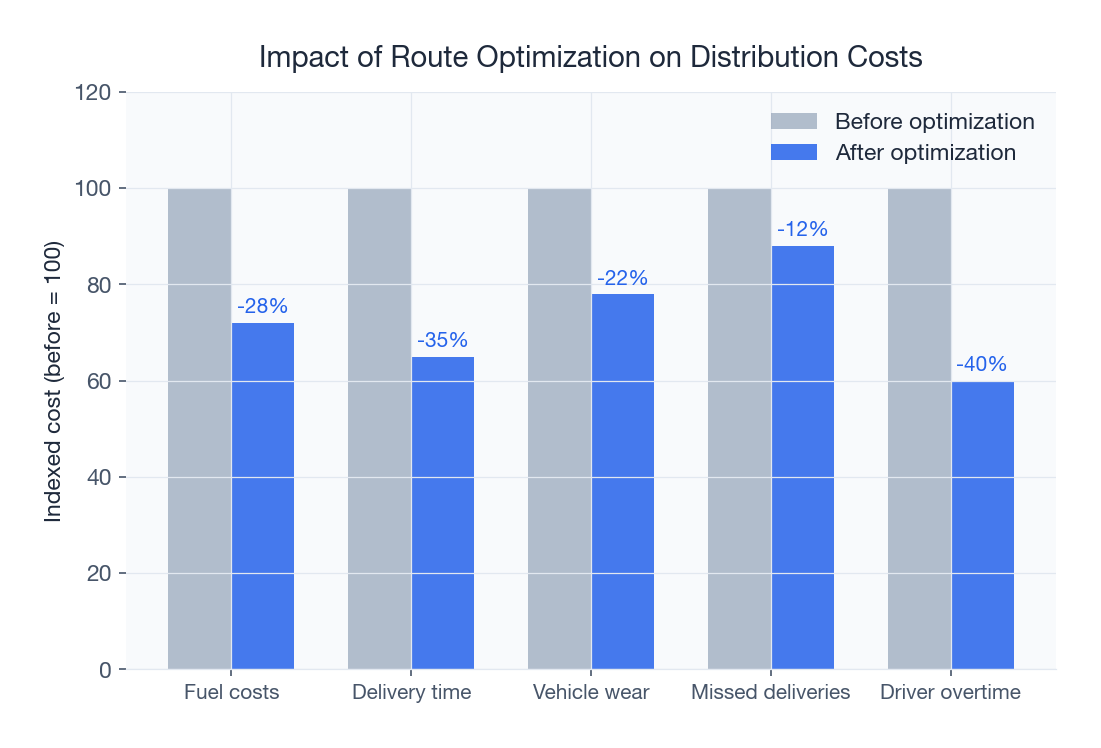
કેસ સ્ટડી: કોઇમ્બતૂર મલ્ટિ-બ્રાન્ડ વિતરકનું ડિજિટલ પરિવર્તન
950 રિટેલ આઉટલેટ્સ અને 6 ઉપગ્રહ નગરોમાં Hatsun, Heritage Foods અને Milky Mist સંભાળતો મલ્ટિ-બ્રાન્ડ કોઇમ્બતૂર વિતરક દહીં પર 5 ટકા ઉનાળાના બગાડ, 14 ટકા ક્રેટ નુકશાન, તિરુપુર અને પોલ્લાચીને વારંવાર મોડી ડિલિવરી, અને લગ્નની સીઝનની કાર્યકારી મૂડીની તંગી સાથે સંઘર્ષ કરી રહ્યો હતો. રૂટ ઓપ્ટિમાઇઝેશન, કોલ્ડ ચેઇન દેખરેખ, ક્રેટ ટ્રેકિંગ, ડિજિટલ ઓર્ડર મેનેજમેન્ટ અને એકીકૃત પેમેન્ટ કલેક્શન સાથેનું એકીકૃત ડેરી વિતરણ પ્લેટફોર્મ તૈનાત કર્યા પછી, 6 મહિનામાં પરિણામોમાં શામેલ હતા:
- દહીંનો બગાડ 5 ટકાથી ઘટીને 1.1 ટકા
- ક્રેટ નુકશાન 14 ટકાથી ઘટીને 3.2 ટકા
- ડિલિવરી પૂર્ણતા દર 84 ટકાથી સુધરીને 97 ટકા
- ઇંધણ ખર્ચ 26 ટકા ઘટ્યો
- રિટેલર ઓર્ડર ભૂલો 81 ટકા ઘટી
- સરેરાશ કલેક્શન સાયકલ 16 દિવસથી ઘટીને 7 દિવસ
- નેટ માર્જિન 4.0 ટકાથી સુધરીને 7.4 ટકા
વિતરકે પ્રમાણસર સ્ટાફિંગ વધારા વિના આગામી ત્રિમાસિક ગાળામાં ઇરોડ અને સેલમ કવરેજ ઉમેર્યું, જે વર્ષ-દર-વર્ષે ટોપ-લાઇન આવક 38 ટકા વધારી.
કોઇમ્બતૂર ડેરી વિતરણ શ્રેષ્ઠ પદ્ધતિઓ
- ગાંધીપુરમ અને ટાઉન હોલ ટ્રાફિક ટાળવા સવારે 8 પહેલાં મધ્ય કોઇમ્બતૂર ડિલિવરી પૂર્ણ કરો
- રેફ્રિજરેટેડ લાસ્ટ-માઇલ વાહનોમાં રોકાણ કરો, ખાસ કરીને દહીં, પનીર અને આઇસક્રીમ માટે
- Aavin ના માર્જિન દબાણથી બચવા કોમોડિટી પ્રવાહી દૂધને બદલે મૂલ્યવર્ધિત ઉત્પાદનો પર પોર્ટફોલિયો એન્કર કરો
- પહેલા દિવસથી ડિજિટલ ક્રેટ ટ્રેકિંગ તૈનાત કરો
- ઊંચા-માર્જિન, વફાદારી-ચાલિત આવક માટે HORECA અને લગ્ન કેટરિંગ સંબંધો બાંધો
- માર્જિન લીકેજ વગર Hatsun, Heritage Foods અને Amul પ્રમોશન અમલમાં મૂકવા માટે સ્કીમ મેનેજમેન્ટ ટૂલ્સ નો ઉપયોગ કરો
- ફીલ્ડ સ્ટાફ માટે તમિલ-ભાષા મોબાઇલ એપ્સ તૈનાત કરો
- લગ્નની સીઝન (ઓક્ટો-ફેબ્રુ) અને તમિલ નવા વર્ષ / પોંગલ માંગ પેટર્ન માટે અલગ યોજના બનાવો
- કોર વિતરણ ઓપરેશન્સમાં ક્વિક કોમર્સ પુરવઠાને એકીકૃત કરો
- સીધી બીટ્સને બદલે સમર્પિત ઉપ-વિતરકો સાથે તિરુપુર અને પોલ્લાચીની સેવા આપો
કોઇમ્બતૂરમાં ઉત્સવ અને મોસમી માંગ પેટર્ન
- પોંગલ (જાન્યુઆરી): દૂધ, ઘી અને ગોળ-આધારિત મીઠાઈ ઘટકોની માંગમાં મોટો ઉછાળો (બેઝલાઇન કરતાં 120-160 ટકા વધારે)
- તમિલ નવું વર્ષ (એપ્રિલ): મજબૂત પનીર, ઘી અને મીઠાઈની માંગ
- આડી (જુલાઈ-ઓગસ્ટ): ધાર્મિક અર્પણો અને મીઠાઈ બનાવવાથી ઘી અને દૂધની માંગ ચાલે છે
- લગ્નની સીઝન (ઓક્ટોબર-ફેબ્રુઆરી): કેટરર્સ અને બેન્ક્વેટ હોલ તરફથી પનીર, ઘી, દહીં અને આઇસક્રીમ માટે સતત ઊંચી માંગ
- દિવાળી (ઓક્ટોબર-નવેમ્બર): મીઠાઈ ઉત્પાદન માટે ઘી અને દૂધ પાવડરનો ઉછાળો
- ઉનાળો (માર્ચ-જૂન): છાશ, લસ્સી, દહીં અને ફ્લેવર્ડ મિલ્કની ટોચ; આઇસક્રીમ વેચાણમાં ઉછાળો
- ચોમાસું (TN માં ઓક્ટોબર-ડિસેમ્બર): ગરમ પીણાં અને સ્ટ્રીટ ફૂડની માંગ દૂધ અને દહીંના વપરાશને ટકાવે છે
સેલ્સ એનાલિટિક્સ પ્લેટફોર્મ્સ માં કેપ્ચર કરેલ ઐતિહાસિક માંગ ડેટા આ ઘટનાઓ માટે 85 ટકાથી વધુ આગાહી ચોકસાઈને સક્ષમ બનાવે છે.
કોઇમ્બતૂર ડેરી વિતરકો માટેના ઓપરેશનલ બેન્ચમાર્ક
| KPI | સરેરાશ કોઇમ્બતૂર વિતરક | ટોચ-ચતુર્થાંશ પ્રદર્શનકાર |
|---|---|---|
| ડિલિવરી પૂર્ણતા દર | 83-86% | 96%+ |
| ઉનાળાનો દહીં બગાડ દર | 3.5-5% | 1.2% થી નીચે |
| ક્રેટ નુકશાન દર (વાર્ષિક) | 10-14% | 3.5% થી નીચે |
| ઓર્ડર ભૂલ દર | 5-8% | 1% થી નીચે |
| પેમેન્ટ કલેક્શન સાયકલ | 12-18 દિવસ | 5-8 દિવસ |
| પ્રતિ લિટર ડિલિવરી ઇંધણ ખર્ચ | 0.42-0.58 રૂપિયા | 0.28-0.36 રૂપિયા |
| રિટેલર ચર્ન (વાર્ષિક) | 14-20% | 5% થી નીચે |
| નેટ વિતરણ માર્જિન | 3-5% | 7-9% |
કોઇમ્બતૂર વિ. અન્ય તમિલનાડુ ડેરી બજારો
| શહેર | દૈનિક વપરાશ | મુખ્ય લાક્ષણિકતાઓ |
|---|---|---|
| ચેન્નાઇ | 22 લાખ લિટર | મેટ્રો બજાર, પ્રીમિયમ પ્રબળ, તીવ્ર Aavin-Hatsun હરીફાઈ |
| કોઇમ્બતૂર | 9 લાખ લિટર | ઔદ્યોગિક રાજધાની, મજબૂત દહીં સંસ્કૃતિ, ઉપગ્રહ બજાર હબ |
| મદુરાઇ | 6 લાખ લિટર | મંદિર અર્થતંત્ર, પરંપરાગત મીઠાઈની દુકાનની માંગ |
| તિરુચિરાપલ્લી | 5 લાખ લિટર | શૈક્ષણિક અને સંસ્થાકીય ચાલિત |
| સેલમ | 4 લાખ લિટર | ઔદ્યોગિક, ઘણીવાર કોઇમ્બતૂર હબમાંથી સેવા આપવામાં આવે છે |
કોઇમ્બતૂરની ઔદ્યોગિક ઘનતા, મજબૂત દહીં સંસ્કૃતિ, ઉપગ્રહ બજાર ભૂગોળ અને વધતી પ્રીમિયમ માંગનું સંયોજન તેને તમિલનાડુમાં સૌથી આકર્ષક નોન-ચેન્નાઇ ડેરી વિતરણ તક બનાવે છે.
કોઇમ્બતૂર ડેરી વિતરણ માટે ભવિષ્યનો દૃષ્ટિકોણ
કોઇમ્બતૂર ડેરી વિતરણ બજાર 2030 સુધી IT કોરિડોર વિસ્તરણ, પ્રીમિયમ ઉત્પાદન અપનાવવા, ક્વિક કોમર્સ પ્રવેશ અને ઉપગ્રહ બજાર વૃદ્ધિ દ્વારા ચાલિત વાર્ષિક 9-12 ટકા વધવાનો અંદાજ છે. મુખ્ય વલણો:
- ઇલેક્ટ્રિક રેફ્રિજરેટેડ વાહનો: કોઇમ્બતૂર EV ડેરી ફ્લીટ માટે અગ્રણી પ્રારંભિક અપનાવનાર શહેર છે
- પ્રીમિયમ D2C ડેરી: સમૃદ્ધ ઝોનમાં સબ્સ્ક્રિપ્શન મોડેલો વાર્ષિક 32 ટકા+ વધી રહ્યા છે
- ક્વિક કોમર્સ ચેનલોને ફરીથી આકાર આપે છે: 2028 સુધીમાં 25-30 ટકા ઇમ્પલ્સ ડેરી Q-com માં શિફ્ટ થવાની અપેક્ષા
- સ્માર્ટ કોલ્ડ ચેઇન: IoT-સક્ષમ દેખરેખ ગંભીર વિતરકો માટે ધોરણ બની રહી છે
- મૂલ્યવર્ધિત શ્રેણી વિસ્તરણ: ગ્રીક યોગર્ટ, પ્રોબાયોટિક દહીં, A2 ઘી અને વિશેષ ચીઝ મુખ્ય પ્રવાહમાં પકડ મેળવી રહ્યા છે
- પશ્ચિમ TN ઉપગ્રહ એકત્રીકરણ: તિરુપુર, પોલ્લાચી, ઇરોડ અને સેલમ વધતા પ્રમાણમાં કોઇમ્બતૂર હબ્સમાંથી સેવા આપવામાં આવે છે
જે વિતરકો હવે ટેકનોલોજીમાં રોકાણ કરશે તેઓ આ વૃદ્ધિનો અપ્રમાણસર હિસ્સો મેળવશે. મેન્યુઅલ સિસ્ટમ્સ પર રહેનારાઓને ક્વિક કોમર્સ SLAs, પ્રીમિયમ D2C સેવા અપેક્ષાઓ અને આધુનિક વેપાર અનુપાલન માંગ સાથે સ્પર્ધા કરવી વધુને વધુ મુશ્કેલ બનશે.
કોઇમ્બતૂરમાં ડેરી વિતરણ સાથે શરૂઆત કરવી
ભલે તમે આધુનિકીકરણ કરવા માંગતા હાલના કોઇમ્બતૂર ડેરી વિતરક હો, તમારા પ્રથમ ઓપરેશનનું આયોજન કરનાર નવા પ્રવેશક હો, અથવા કોઇમ્બતૂરને વિતરણ બજાર તરીકે મૂલવતા બ્રાન્ડ હો, પ્રથમ પગલું સ્પષ્ટ ઓપરેશનલ બેઝલાઇન છે. મોટાભાગના ઓપરેટરો તેમના પ્રથમ મૂલ્યાંકનમાં 15-25 ઉચ્ચ-ROI સુધારાઓ શોધે છે. તમારા કોઇમ્બતૂર ઓપરેશન માટે આધુનિક પ્લેટફોર્મ શું કરી શકે છે તે અન્વેષણ કરવા માટે, અમારી 2026 ડેરી વિતરણ સોફ્ટવેર રેન્કિંગ સમીક્ષા કરો, SpireStock કિંમતો તપાસો, અથવા અમારા વિતરણ ટેકનોલોજી નિષ્ણાતો સાથે કોઇમ્બતૂર-વિશિષ્ટ સલાહકાર બુક કરો.
સ્ત્રોતો અને સંદર્ભો
- NDDB, National Dairy Development Board
- FSSAI, Food Safety and Standards Authority of India
- Aavin, Tamil Nadu Co-operative Milk Producers' Federation
- Hatsun Agro, Hatsun Agro Product Ltd Investor Relations
- IBEF, India Brand Equity Foundation, FMCG Sector
વારંવાર પૂછાતા પ્રશ્નો
કોઇમ્બતૂર દરરોજ આશરે 9 લાખ લિટર દૂધનો વપરાશ કરે છે, જે તેને ચેન્નાઇ પછી તમિલનાડુનું બીજું સૌથી મોટું ડેરી બજાર બનાવે છે. મેટ્રોનું સંગઠિત ડેરી બજાર વાર્ષિક 3,500 કરોડ રૂપિયાથી વધુ મૂલ્યનું છે, જે 21.5 લાખ વસ્તી, મજબૂત દહીં અને છાશ સંસ્કૃતિ, ગીચ ઔદ્યોગિક કાર્યદળ અને ઝડપથી વિસ્તરતી પ્રીમિયમ માંગ દ્વારા ચાલિત છે.
Aavin (તમિલનાડુ સહકારી દૂધ ઉત્પાદક સંઘ) સંગઠિત પ્રવાહી દૂધના આશરે 60 ટકા હિસ્સા સાથે પ્રભુત્વ ધરાવે છે. Hatsun Arokya 15-18 ટકા પર સૌથી મોટો ખાનગી સ્પર્ધક છે, ત્યારબાદ Heritage Foods, Amul (મૂલ્યવર્ધિતમાં મજબૂત) અને પનીરમાં Milky Mist જેવા પ્રીમિયમ ખેલાડીઓ આવે છે. કેટલાક D2C ડેરી સ્ટાર્ટઅપ્સ પ્રીમિયમ કોઇમ્બતૂર પડોશોની સેવા આપે છે.
કોઇમ્બતૂરમાં ડેરી વિતરણ વ્યવસાય શરૂ કરવા માટે સ્કેલ અને બ્રાન્ડ પોર્ટફોલિયોના આધારે 18-45 લાખ રૂપિયાની જરૂર છે. તેમાં કોલ્ડ સ્ટોરેજ (6-14 લાખ રૂપિયા), ડિલિવરી વાહનો (4-10 લાખ રૂપિયા), સુરક્ષા ડિપોઝિટ (2-6 લાખ રૂપિયા), કાર્યકારી મૂડી (4-9 લાખ રૂપિયા), ક્રેટ્સ (1-3 લાખ રૂપિયા) અને ટેકનોલોજી (0.6-1.6 લાખ રૂપિયા વાર્ષિક) શામેલ છે.
પ્રવાહી દૂધનું માર્જિન બ્રાન્ડના આધારે 3-6 ટકા હોય છે, સ્પર્ધાત્મક દબાણને કારણે Aavin નીચલા છેડે છે. પનીર, પ્રીમિયમ ઘી, આઇસક્રીમ અને ફ્લેવર્ડ મિલ્ક જેવા મૂલ્યવર્ધિત ઉત્પાદનો 11-22 ટકા માર્જિન પ્રદાન કરે છે. માસિક 50,000-80,000 લિટર સંભાળતો સુવ્યવસ્થિત વિતરક મજબૂત મૂલ્યવર્ધિત પોર્ટફોલિયો સાથે 5-8 ટકાનું નેટ માર્જિન પ્રાપ્ત કરી શકે છે.
કોઇમ્બતૂરનું એપ્રિલ-જૂન તાપમાન 38-41 ડિગ્રી સેલ્સિયસ 70 ટકા+ ભેજ સાથે દહીં અને પનીરના બગાડને વેગ આપે છે. યોગ્ય કોલ્ડ ચેઇન વગર, બગાડ 4-6 ટકા સુધી પહોંચી શકે છે. ટોચના ઓપરેટરો બગાડને 1.2 ટકાથી નીચે રાખવા માટે પ્રિ-ડોન ડિલિવરી (સવારે 3:30-6:30), રેફ્રિજરેટેડ વાહનો, IoT તાપમાન દેખરેખ અને ઇન્સ્યુલેટેડ કન્ટેનરનો ઉપયોગ કરે છે.
કોઇમ્બતૂર-આધારિત વિતરક તિરુપુર (50 કિમી), પોલ્લાચી (45 કિમી), ઇરોડ (100 કિમી), સેલમ (160 કિમી), અને મેટ્ટુપાલયમ, અન્નુર, સુલુર અને અવિનાશી જેવા નાના નગરોની નફાકારક રીતે સેવા આપી શકે છે. આ પશ્ચિમ તમિલનાડુ હિન્ટરલેન્ડ 3-કલાક કોલ્ડ ચેઇન ત્રિજ્યામાં વધારાના 80 લાખ ગ્રાહકોનું પ્રતિનિધિત્વ કરે છે.
પીલામેડુ અને IT પટ્ટો પ્રીમિયમ અને આધુનિક વેપાર માંગ ચલાવે છે. સાંઇબાબા કોલોની, RS પુરમ અને રેસ કોર્સ પ્રીમિયમ D2C યુદ્ધક્ષેત્ર છે. મધ્ય કોઇમ્બતૂર (ટાઉન હોલ, ગાંધીપુરમ, ઉક્કડમ) સૌથી ગીચ કિરાણા નેટવર્ક ધરાવે છે. સિંગનલ્લુર અને વડવલ્લી ઝડપથી વધતા પેરિ-શહેરી ઝોન છે. અવિનાશી રોડ પરનું HORECA ઉચ્ચ-માર્જિન વિશેષીકરણ છે.
Blinkit, Zepto અને Instamart પાસે 2026 સુધીમાં કોઇમ્બતૂરમાં 35 થી વધુ ડાર્ક સ્ટોર્સ છે અને શહેરી ડેરી વપરાશને ફરીથી આકાર આપી રહ્યા છે, ખાસ કરીને દહીં, માખણ, પનીર અને ઇમ્પલ્સ SKU માટે. જે વિતરકો કડક SLAs અને ડાયનેમિક SKU મિક્સ સાથે ડાર્ક સ્ટોર્સને પુરવઠો આપે છે તેઓ ઝડપથી વધતી ચેનલ મેળવી શકે છે, 2028 સુધીમાં 25-30 ટકા ઇમ્પલ્સ ડેરી ક્વિક કોમર્સ તરફ શિફ્ટ થવાની અપેક્ષા છે.
સંબંધિત SpireStock ફીચર્સ
ઝોન, ટાઉન અને રૂટ આધારિત ડિલિવરી મેનેજમેન્ટ ઓપ્ટિમાઇઝેશન સાથે.
વાહનો અને ડ્રાઇવરો માટે રીઅલ-ટાઇમ GPS ટ્રેકિંગ સાથે ઝડપી ડિલિવરી માટે રૂટ ઑપ્ટિમાઇઝેશન.
મલ્ટિ-લેવલ મંજૂરી વર્કફ્લો સાથે પ્લેસમેન્ટથી ડિલિવરી સુધી એન્ડ-ટુ-એન્ડ ઓર્ડર લાઇફસાયકલ.
પ્લાન્ટ, ટ્રાન્સપોર્ટર અને રિટેઇલ સ્તરો પર રિટર્નેબલ ક્રેટ્સનું સંપૂર્ણ ટ્રેકિંગ.
લવચીક ઇન્સેન્ટિવ સ્કીમ્સ, ફ્લેટ, બલ્ક-પેક અને જથ્થાત્મક, આપમેળે લાગુ.
સંબંધિત ઉકેલો
બહુવિધ ઉત્પાદન એકમો અને plants માં વિતરણનું સંચાલન કરો. ડેરી અને FMCG બ્રાન્ડ્સ માટે પ્લાન્ટ-સ્તરની સ્વાયત્તતા સાથે કેન્દ્રીય નિયંત્રણ.
Distributor અને retailer ચૂકવણીઓ ટ્રૅક કરો. રિકન્સિલિએશન, એજિંગ રિપોર્ટ્સ અને ક્રેડિટ લિમિટ મેનેજમેન્ટ સાથે રોકડ, UPI, ચેક કલેક્શન.
તમારા રિટેલ નેટવર્કને ટ્રૅક અને મેનેજ કરો. આઉટલેટ્સ જિયો-ટેગ કરો, ગૌણ sales કેપ્ચર કરો, બીટ્સ મેનેજ કરો અને retailer પ્રદર્શન મોનિટર કરો.
સંબંધિત એન્ટિટીઝ
તમારા વિતરણને સુવ્યવસ્થિત કરવા તૈયાર છો?
તમારી 14 દિવસની મફત ટ્રાયલ શરૂ કરો અને જુઓ કે SpireStock તમારા ડેરી, FMCG અથવા ગ્રાહક વસ્તુ વિતરણને ઓર્ડરથી ક્રેટ રિકવરી સુધી કેવી રીતે બદલી શકે છે.

SpireStock Team
ડિસ્ટ્રિબ્યુશન ટેક્નોલોજી નિષ્ણાતો
SpireStock Team SpireStock માટે ડિસ્ટ્રિબ્યુશન મેનેજમેન્ટ, સપ્લાય-ચેઇન ઑપ્ટિમાઇઝેશન અને ભારતીય ડેરી અને FMCG બ્રાન્ડ્સ માટેના ફીલ્ડ ઑપરેશન્સ પર લખે છે.