لماذا يهم تخطيط مسارات المبيعات
في قطاع FMCG الهندي، غالباً ما يعود الفرق بين علامة تجارية بقيمة 100 كرور روبية وعلامة بقيمة 1,000 كرور روبية إلى أمر واحد: مدى كفاءة فريقها الميداني في تغطية منافذ التجزئة. يمكن لمسار مُخطط جيداً، وهو المسار اليومي الذي يتبعه المندوب، أن يولد مبيعات أعلى بنسبة 40-60% من مسار سيئ التخطيط. اضرب ذلك عبر مئات المندوبين وآلاف المنافذ، ويصبح تخطيط المسارات رافعة إنتاجية بملايين الكرور تُقلل معظم العلامات التجارية من شأنها.
ومع ذلك، لا تزال معظم علامات FMCG الهندية تُخطط المسارات يدوياً. يرسم مديرو مبيعات المناطق المسارات على خرائط ورقية، ويُعينون تجار التجزئة بناءً على المعرفة العشائرية، ويأملون الأفضل. النتيجة هي تغطية غير متكافئة، وزيارات مكررة، ومنافذ مفقودة، ومندوبون يهدرون 30-40% من يومهم في التنقل بدلاً من البيع. برنامج تخطيط المسارات يُصلح كل هذا. إذا أردت رؤيته أثناء العمل، احجز عرضاً مجانياً مع فريقنا.
من المتوقع أن يصل سوق FMCG في الهند إلى 220 مليار دولار أمريكي بحلول عام 2027 (IBEF، 2025)، مع أكثر من 12 مليون متجر كيرانا تشكل العمود الفقري للتوزيع. وفقاً لـ NielsenIQ، تحقق العلامات التجارية ذات خطط المسارات الرقمية مبيعات ثانوية أعلى بنسبة 28-35% لكل منفذ مقارنة بتلك التي تعتمد على الأساليب اليدوية. مع الضغط المستمر على الهوامش واشتداد المنافسة في كل فئة من منتجات الألبان إلى المشروبات، فإن كفاءة فريقك الميداني ليست أمراً مرغوباً فيه فحسب. إنها المحدد الأكبر لما إذا كانت اقتصاديات التوزيع لديك تعمل أم لا.
ما هو برنامج تخطيط مسارات المبيعات؟
برنامج تخطيط المسارات هو منصة متخصصة تقوم بأتمتة تصميم وتنفيذ ومراقبة مسارات المبيعات الميدانية. يأخذ في الاعتبار كثافة تجار التجزئة والجغرافيا وتكرار الطلبات وإمكانات المبيعات وقدرة المندوب لإنشاء مسارات مثلى تُعظم تغطية المنافذ والإيرادات يومياً. مقترناً بـ تتبع المسار القائم على GPS، يضمن أن المندوبين يتبعون فعلاً المسارات المخصصة لهم، وليس مجرد التظاهر بذلك.
للحصول على مقدمة عن تخطيط المسارات نفسه، اقرأ مقالنا المرافق ما هو تخطيط المسارات في FMCG؟. إذا كنت تُقيّم برنامج إدارة التوزيع لعملك، فإن فهم تخطيط المسارات هو خطوة أولى حاسمة.
تحديات التخطيط اليدوي للمسارات
1. التوزيع غير المتكافئ لتجار التجزئة
يحصل مندوب واحد على 200 منفذ مكتظة في 3 كم؛ بينما يحصل آخر على 80 منفذاً موزعة على 25 كم. يعمل كلاهما نفس الساعات ولكنهما يُحققان نتائج متباينة بشكل كبير. نادراً ما يوازن التخطيط اليدوي عبء العمل بفعالية. في مدن مثل مومباي ودلهي، حيث يمكن أن تتفاوت كثافة المنافذ 10 أضعاف بين الأحياء المتجاورة، تكون هذه المشكلة حادة.
2. المنافذ المفقودة
بدون التتبع الرقمي، يتم زيارة بعض المنافذ كل أسبوع بينما يُنسى البعض الآخر لأشهر. المنافذ المفقودة تعني مبيعات مفقودة، ويشعر تجار التجزئة الأوفياء بأنهم مُتجاهلون. وفقاً لأبحاث BCG لمستهلكي الهند، تُكلف الزيارة المفقودة لمنفذ عالي التردد العلامة التجارية في المتوسط 800-1,200 روبية من المبيعات اليومية المفقودة.
3. الزيارات المكررة
ينتهي الأمر بعدة مندوبين، ربما من فئات منتجات مختلفة، بزيارة نفس تاجر التجزئة في نفس اليوم، مما يُهدر الوقت ويُضايق التاجر.
4. عدم وجود رؤية للمديرين
لا تتوفر لمديري مبيعات المناطق رؤية في الوقت الفعلي لمعرفة ما إذا كان المندوبون يتبعون مساراتهم. يعتمدون على التتبع المُبلَّغ ذاتياً من السجلات الورقية، وهو أمر غير موثوق. لهذا السبب أصبح تتبع الحضور القائم على GPS ضرورياً.
5. التكيف البطيء
عند فتح تجار تجزئة جدد أو إغلاق القدامى، يجب تعديل المسارات. تحديثات المسارات اليدوية بطيئة، وتنحرف المسارات عن الواقع بمرور الوقت. في الأسواق سريعة النمو مثل بنغالور وحيدر آباد، حيث تفتح مئات من منافذ التجزئة الجديدة كل شهر، تُصبح خطط المسارات الثابتة قديمة خلال أسابيع.
علم تصميم المناطق
قبل أن يبدأ تخطيط المسارات، يجب تصميم المناطق. تصميم المناطق هو التقسيم الاستراتيجي للسوق الجغرافي إلى وحدات قابلة للإدارة يمكن تخصيصها لمندوبين أو فرق فردية. يقع على مستوى واحد فوق تخطيط المسارات: تُحدد المناطق من يملك أي سوق؛ وتُحدد المسارات كيفية تغطيتها يوماً بيوم.
يوازن تصميم المناطق الفعّال بين ثلاثة أهداف متنافسة:
- إنصاف عبء العمل - يجب أن يكون لكل مندوب عدد قابل للمقارنة من المنافذ، مُعدَّل لحجم المنفذ وتعقيد الطلبات
- التماسك الجغرافي - يجب أن تكون المناطق متجاورة وأن تُقلل وقت التنقل الميت بين المنافذ
- إمكانات الإيرادات - يجب أن تتمتع المناطق بإمكانات إيرادات متساوية تقريباً حتى يحظى المندوبون بفرص كسب متساوية
أضفت بحوث العمليات صفة رسمية على هذا باسم مشكلة تصميم المناطق (TDP)، وهي صيغة من مشكلة التقسيم متعددة الأهداف. الهدف الرياضي هو تقسيم مجموعة من المنافذ إلى k مناطق تُقلل التباين في عبء العمل ومسافة التنقل والإيرادات عبر جميع المناطق في وقت واحد. في حين أن الحلول الدقيقة مكلفة حسابياً (NP-hard)، تُنتج الخوارزميات التجريبية نتائج شبه مثالية في ثوانٍ.
كيف تتعامل شركات FMCG الرائدة مع تصميم المناطق في الهند
تُقسم HUL (Hindustan Unilever)، أكبر شركة FMCG في الهند، البلاد إلى ما يقرب من 2,000 منطقة وكلاء إعادة التوزيع (RS). يتم تقسيم كل منطقة RS أيضاً إلى مناطق مندوبين بناءً على هدف 250-350 منفذاً لكل مندوب في الأسبوع. يأخذ تصميم مناطق HUL في الاعتبار الكثافة السكانية وبيانات تعداد التجزئة وأهداف اختراق العلامة التجارية. يضمن نظامهم أن كل منفذ في الهند، من متجر بان في زاوية في كولكاتا إلى سوبر ماركت في بونه، يقع ضمن منطقة مندوب واحد بالضبط.
يُجزئ نهج توزيع ITC المناطق بشكل مختلف. تستخدم ITC نموذج المحور والشعاع حيث تكون المناطق الحضرية أصغر (150-200 منفذ) ولكنها أكثر كثافة، بينما تكون المناطق الريفية أكبر جغرافياً ولكنها تحتوي على منافذ أقل. يُسلط تقريرها السنوي الضوء على أن ترشيد المناطق ساهم في تحسين نسبة تكلفة التوزيع إلى الإيرادات بنسبة 12% بين عامي 2022 و2025.
تعمل منصات إدارة الموزعين الحديثة على أتمتة تصميم المناطق من خلال استيعاب البيانات الرئيسية لتجار التجزئة، وتحديد الموقع الجغرافي لكل منفذ، وتشغيل خوارزميات التحسين التي تُنتج خرائط مناطق متوازنة في دقائق بدلاً من الأسابيع التي يستغرقها يدوياً.
خوارزميات تخطيط المسارات: يدوي مقابل قائم على القواعد مقابل AI
ليست كل برامج تخطيط المسارات متساوية. تُحدد درجة تطور الخوارزمية الأساسية مدى مثالية مساراتك فعلاً. هناك ثلاثة أجيال من تكنولوجيا تخطيط المسارات، كل منها يُمثل قفزة كبيرة في القدرة.
التخطيط اليدوي للمسارات (الورق وExcel)
أقدم وأكثر طريقة شيوعاً في FMCG الهندي. يستخدم مدير مبيعات المنطقة خريطة مطبوعة وقائمة بتجار التجزئة والمعرفة الشخصية لرسم مسارات. يتم توثيق المسارات في Excel أو على الورق، ثم نسخها وتوزيعها على المندوبين. تتطلب التغييرات جهداً يدوياً وتحدث عادةً مرة واحدة فقط كل ربع سنة.
المزايا: لا حاجة لاستثمار تكنولوجي. يستخدم المعرفة المحلية. سهل الفهم.
العيوب: عرضة للأخطاء. يتجاهل أنماط المرور. لا يمكنه التحسين عبر مئات المتغيرات. بطيء التكيف. لا توجد آلية تنفيذ. يعتمد على المعرفة الشخصية لـ ASM، والتي تُفقد عند نقله.
التخطيط القائم على القواعد للمسارات (برنامج DMS)
يستخدم الجيل الحالي من برنامج إدارة التوزيع خوارزميات منهجية قائمة على القواعد. يُطبق البرنامج قواعد محددة مسبقاً: تكرار الزيارات بناءً على فئة المنفذ، والتجميع الجغرافي للقرب، وحدود عبء العمل لكل مندوب، وقيود يوم الأسبوع. يُنتج هذا خطط مسارات متسقة وقابلة للتكرار وأفضل بكثير من الأساليب اليدوية.
المزايا: متسق. قابل للتوسع. يأخذ في الاعتبار قيود متعددة في وقت واحد. سهل إعادة التوازن عند تغير المنافذ. يوفر التنفيذ من خلال تطبيقات الهاتف المحمول وتتبع GPS.
العيوب: القواعد ثابتة. لا تتعلم من النتائج. لا يمكنها التنبؤ بالمنافذ التي تحتاج إلى زيارات أكثر أو أقل بناءً على سلوك الشراء. تُعامل جميع المنافذ في فئة معينة بشكل متساوٍ.
تخطيط المسارات المدعوم بـ AI (التنبؤي والمُحسِّن ذاتياً)
يستخدم الجيل الناشئ التعلم الآلي لتحسين المسارات بشكل مستمر بناءً على النتائج. تُحلل الأنظمة المدعومة بـ AI بيانات الطلبات التاريخية والأنماط الموسمية ودورات الشراء لدى تجار التجزئة وحتى الإشارات الخارجية (الطقس، المهرجانات، عروض المنافسين) للتنبؤ بوقت الزيارة الأمثل وتكرارها لكل منفذ فردي.
المزايا: تتحسن ذاتياً. تتنبأ بنوافذ الزيارة المثلى. تُخصص تكرار الزيارة لكل منفذ. تتكيف مع التغيرات الموسمية تلقائياً. يمكن أن توصي بالمنتجات التي يجب الترويج لها في كل منفذ.
العيوب: تتطلب بيانات تاريخية لمدة 6-12 شهراً. تكلفة أعلى. تنفيذ أكثر تعقيداً. قد تكون مبالغاً فيها للموزعين الصغار.
المقارنة: ثلاثة نُهج لتخطيط المسارات
| البُعد | يدوي (ورق/Excel) | قائم على القواعد (DMS) | مدعوم بـ AI |
|---|---|---|---|
| وقت الإعداد | 2-4 أسابيع | 2-5 أيام | 1-2 أسبوع + فترة تدريب |
| المنافذ المُنجزة يومياً | 45-65 | 75-100 | 85-110 |
| القدرة على التكيف | مراجعة يدوية ربع سنوية | إعادة توازن عند الطلب | تحسين ذاتي مستمر |
| الاعتماد على البيانات | لا شيء | البيانات الرئيسية لتاجر التجزئة فقط | تاريخ طلبات 6-12 شهراً |
| تخصيص تكرار الزيارة | على مستوى الفئة فقط | الفئة + الجغرافيا | على مستوى المنفذ الفردي |
| القدرة التنبؤية | لا شيء | لا شيء | التنبؤ بالطلب، تنبيهات الانسحاب |
| التكلفة لكل مستخدم/شهر | 0 روبية (تكلفة العمالة مخفية) | 300-1,500 روبية | 1,500-3,000 روبية |
| الأنسب لـ | الموزعون الصغار جداً (<5 مندوبين) | الموزعون متوسطو الحجم (5-200 مندوب) | المؤسسات الكبيرة (200+ مندوب) |
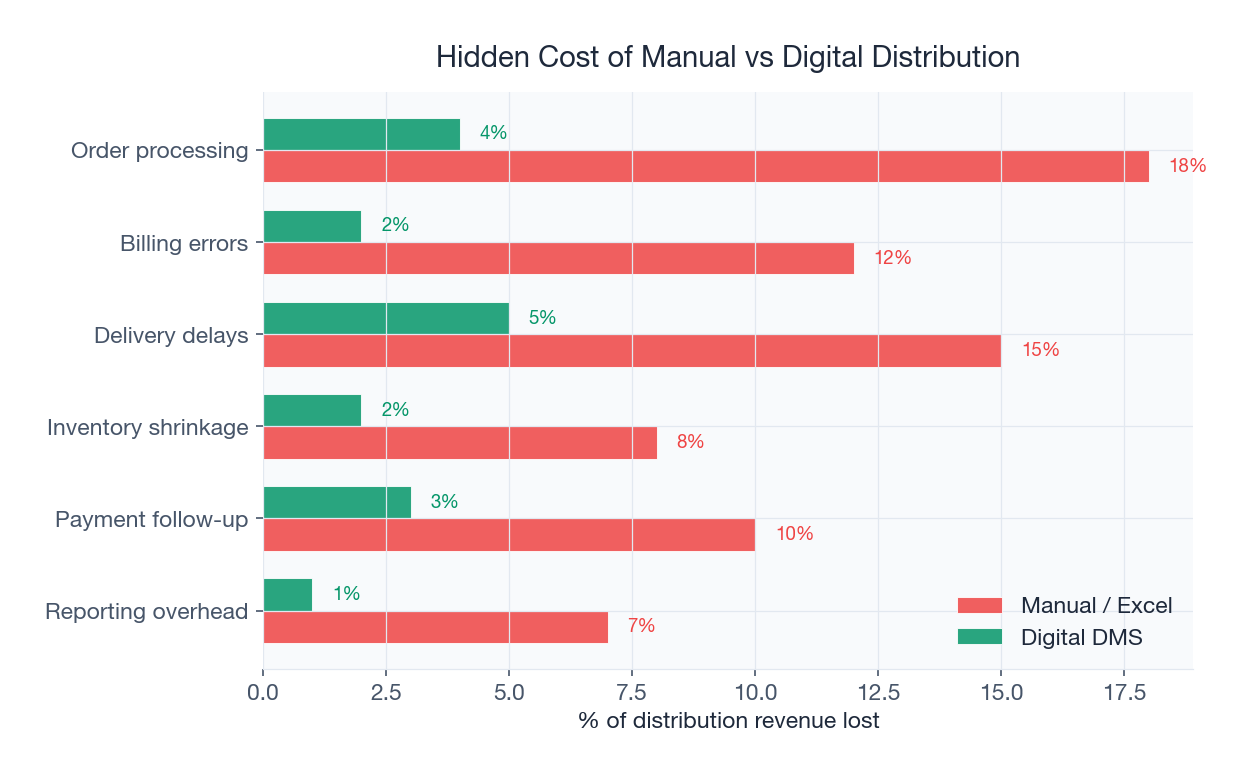
ينتقل معظم موزعي FMCG الهنود اليوم من الأنظمة اليدوية إلى الأنظمة القائمة على القواعد. تُقدم القفزة من اليدوي إلى القائم على القواعد 80% من إجمالي التحسين الممكن. يُضيف AI الـ 20% المتبقية، ولكن بتكلفة وتعقيد أعلى. بالنسبة لمعظم الشركات، يُعد البدء بمنصة تحسين المسارات قائمة على القواعد الخطوة الأولى الصحيحة.
الميزات الأساسية لبرنامج تخطيط المسارات
1. قاعدة البيانات الرئيسية لتجار التجزئة
يتم تعيين كل تاجر تجزئة في منطقتك إلى عنوان وإحداثيات GPS وفئة ومبيعات تاريخية. هذه قاعدة البيانات الرئيسية هي أساس تخطيط المسارات. يضمن تتبع تجار التجزئة بقاء هذه البيانات حديثة عندما تفتح المنافذ أو تُغلق أو يتغير ملكيتها.
2. إنشاء المسارات تلقائياً
يُقسم البرنامج تجار التجزئة إلى مسارات بناءً على الجغرافيا والكثافة وتوازن عبء العمل. لكل مسار تكرار زيارة محدد (يومي، أسبوعي، نصف أسبوعي) ومندوب مُخصص.
3. تحسين المسارات ضمن المسار
لكل مسار، يُنشئ النظام تسلسل زيارة أمثل يُقلل وقت التنقل. يأخذ تحسين المسارات في الاعتبار أنماط المرور وساعات عمل المنافذ.
4. تطبيق الهاتف المحمول للمندوبين
يُظهر تطبيق الهاتف المحمول مسار اليوم، المنفذ التالي، كتالوج المنتجات، العروض، ووضع الطلب. يتحقق تسجيل الوصول عبر GPS في كل منفذ من الالتزام بالمسار.
5. تتبع الالتزام بالمسار
تؤكد آثار GPS أن المندوب زار كل منفذ بالتسلسل الصحيح. تتبع الحضور والحركة يُلغي الزيارات الوهمية ويوفر سجلات جاهزة للتدقيق.
6. تحليلات الإنتاجية
تُظهر تحليلات المبيعات إنتاجية المسار، المنافذ التي تمت زيارتها، معدل التحويل، متوسط قيمة الطلب، وإجمالي الإيرادات لكل مسار. يمكن للمديرين تحديد الأداء العالي والمنخفض.
7. إعادة موازنة المسارات الديناميكية
عندما تفتح المنافذ أو تُغلق أو تتغير، يقترح النظام تلقائياً تعديلات على المسار. لا مزيد من إعادة العمل اليدوي ربع السنوي.
8. التكامل مع DMS
تتكامل بيانات المسار مع منصة تتبع التوزيع الرئيسية، مما يربط الزيارات الميدانية بالطلبات والفواتير والمبيعات الثانوية.
تجزئة تجار التجزئة وتكرار الزيارات
إحدى أقوى قدرات برنامج تخطيط المسارات هي القدرة على تصنيف تجار التجزئة إلى مستويات وتعيين تكرارات زيارة مختلفة. ليس كل منفذ يستحق نفس الاهتمام. يجب زيارة تاجر تجزئة عالي الحجم يولد طلبات شهرية بقيمة 50,000 روبية بشكل أكثر تكراراً من منفذ صغير يحقق 2,000 روبية.
إطار الماس-الذهب-الفضة-البرونز
تستخدم معظم شركات FMCG الهندية نظام تصنيف من أربعة مستويات يعتمد على قيمة الشراء الشهرية وإمكانات النمو والأهمية الاستراتيجية:
| المستوى | قيمة الشراء الشهرية | حصة المنافذ | حصة الإيرادات | تكرار الزيارة الموصى به |
|---|---|---|---|---|
| الماس | 25,000+ روبية | 5-8% | 35-45% | يومياً أو كل يوم بديل |
| الذهب | 10,000-25,000 روبية | 15-20% | 30-35% | 3 مرات في الأسبوع |
| الفضة | 3,000-10,000 روبية | 30-35% | 15-20% | أسبوعياً |
| البرونز | أقل من 3,000 روبية | 35-45% | 5-10% | نصف أسبوعي أو شهري |

يتبع هذا الإطار مبدأ Pareto الكلاسيكي: ما يقرب من 25% من المنافذ (الماس + الذهب) تُولد 65-80% من الإيرادات. يُصنف برنامج تخطيط المسارات تجار التجزئة تلقائياً بناءً على بيانات المبيعات المتدحرجة من إدارة الطلبات ويُعدل تكرارات الزيارة وفقاً لذلك.
إعادة التصنيف الديناميكية
يجب ألا تكون مستويات تجار التجزئة ثابتة. يجب ترقية منفذ فضي يبدأ في الطلب بشكل أكثر إقداماً إلى ذهبي وزيارته بشكل أكثر تكراراً. على العكس، يجب إعادة تخصيص منفذ ذهبي يتراجع إلى الفضة لتحرير وقت المندوب للمنافذ المتنامية. يجعل تخطيط المسارات المدعوم بالبرنامج إعادة التصنيف هذه تلقائية، مدفوعة ببيانات الطلبات، بدلاً من انتظار مراجعة ربع سنوية لا تحدث أبداً.
تُعيد HUL تصنيف عالم منافذها كل ربع سنة، لكن العلامات التجارية الرائدة الرقمية أولاً تنتقل إلى إعادة التصنيف الشهرية أو حتى في الوقت الفعلي. التأثير كبير: وجد بحث تجزئة الهند من McKinsey أن العلامات التجارية التي تُمارس تجزئة تجار التجزئة الديناميكية تحقق إيرادات لكل مندوب أعلى بنسبة 18-22% من تلك التي تستخدم تصنيفات ثابتة.
التقاط المبيعات الثانوية من خلال المسارات
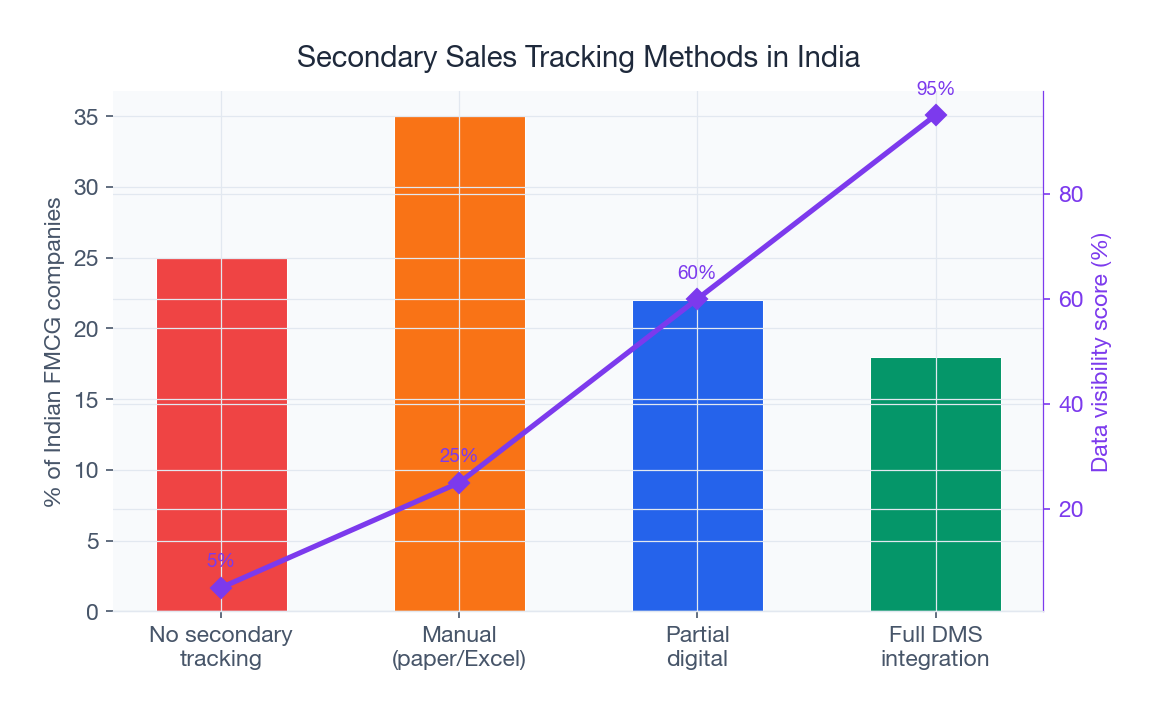
أحد أكثر المنتجات الثانوية قيمة للتنفيذ المنضبط للمسار هو بيانات المبيعات الثانوية الدقيقة. في FMCG الهندي، المبيعات الثانوية (المبيعات من الموزع إلى تاجر التجزئة) هي المقياس الحقيقي للطلب، ومع ذلك تظل من أصعب المقاييس التي يتم التقاطها بشكل موثوق.
لماذا تهم بيانات المبيعات الثانوية
تخبرك المبيعات الأولية (من الشركة إلى الموزع) بكمية المنتج التي دفعتها إلى القناة. تخبرك المبيعات الثانوية بكمية المنتج التي انتقلت فعلاً إلى تجار التجزئة، وهو مؤشر أفضل بكثير للطلب الاستهلاكي الحقيقي. تنتهي العلامات التجارية التي تعتمد فقط على بيانات المبيعات الأولية للتخطيط بمشكلتين: حشو القناة (الموزعون يجلسون على مخزون فائض) وأخطاء التنبؤ بالطلب.
عندما تُولد كل زيارة ميدانية طلباً رقمياً من خلال تطبيق الهاتف المحمول، تحصل على بيانات مبيعات ثانوية على مستوى المنفذ في الوقت الفعلي. تُغذي هذه البيانات مباشرة:
- تخطيط الطلب - إشارات طلب دقيقة على مستوى SKU من الميدان، وليس تقديرات
- حساب العروض - تحقق من أن العروض التجارية تصل إلى المنافذ الصحيحة وتولد مبيعات إضافية
- تتبع أداء تجار التجزئة - حدد المنافذ التي تنمو أو تتراجع أو تنسحب
- تقييم صحة المنطقة - اكتشاف المناطق ذات الأداء الضعيف قبل أن تُصبح مشاكل
تُقدر NielsenIQ أن علامات FMCG الهندية ذات الرؤية الفورية للمبيعات الثانوية تحقق دقة توقع أفضل بنسبة 15-20% من تلك التي تعتمد على التقارير الشهرية اليدوية. استكشف كيف تجعل وحدات تحليلات المبيعات وتتبع تجار التجزئة هذا ممكناً.
التقاط الطلبات المرتبط بالمسار
المفتاح هو ربط كل طلب بمسار ومندوب ومنفذ وطابع زمني محدد. عندما يزور المندوب منفذاً على مساره المخصص ويضع طلباً عبر التطبيق، يلتقط النظام ليس فقط تفاصيل الطلب ولكن السياق الكامل: أي مسار، في أي وقت، كم استمرت الزيارة، ما كان موضع التسلسل، وما إذا كانت الزيارة مخططة أم عشوائية. هذه البيانات السياقية هي ذهب لـ تحليلات التوزيع.
مؤشرات الأداء الرئيسية لتخطيط المسارات: قبل مقابل بعد البرنامج
| KPI | التخطيط اليدوي | مع البرنامج | التحسين |
|---|---|---|---|
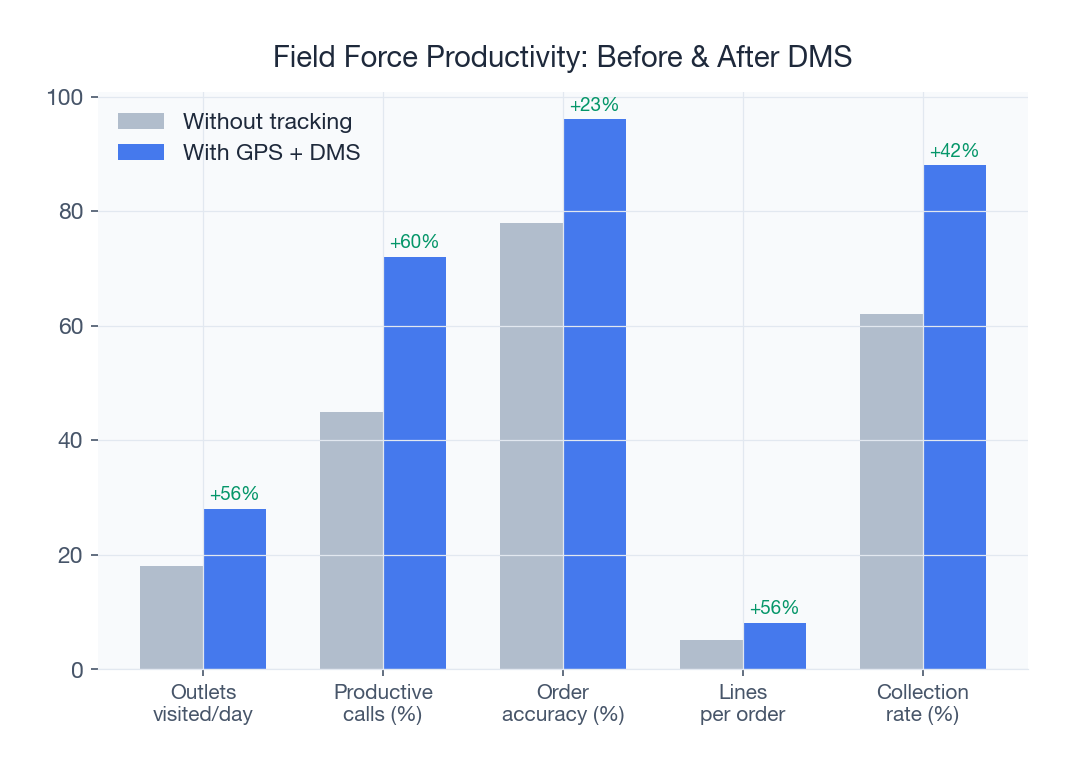
| المنافذ يومياً | 45-65 | 75-100 | أعلى بنسبة 50% |
| الالتزام بالمسار | 70-85% | 95-98% | أعلى بـ 15 نقطة |
| حصة وقت التنقل | 35-45% | 20-28% | أقل بنسبة 40% |
| المنافذ المفقودة | 15-25% | < 3% | قريب من الصفر |
| متوسط قيمة الطلب | خط الأساس | +15-25% | أعلى |
| وقت إعادة تعيين المسارات | 2-4 أسابيع | 1-2 يوم | أسرع بنسبة 90% |

الفئات التي تستفيد أكثر
- توزيع FMCG - الأطعمة المعبأة، العناية الشخصية، العناية المنزلية
- المشروبات - المياه، المشروبات الغازية، العصائر
- المخبوزات والحلويات - الخبز، البسكويت، الكعك
- توزيع منتجات الألبان - الحليب، الزبادي، الزبدة، الآيس كريم
تسعير برنامج تخطيط المسارات
عادةً ما تكون وحدات تخطيط المسارات جزءاً من منصات إدارة توزيع أوسع. توقع 300-800 روبية لكل مستخدم شهرياً لتخطيط المسارات الأساسي، 800-1,500 روبية للميزات المتقدمة مع GPS والتحليلات. كوحدة مستقلة، يبدأ التسعير من حوالي 5,000 روبية شهرياً للفرق الصغيرة. راجع صفحة التسعير لدينا للحصول على التفاصيل.
دراسات حالة من العالم الواقعي
دراسة الحالة 1: موزع FMCG إقليمي في تشيناي
كافح موزع FMCG إقليمي في تشيناي لديه 45 مندوباً يغطون 8,500 منفذاً عبر تاميل نادو من تغطية غير متكافئة، و22% من المنافذ المفقودة، وإنتاجية متوسطة تبلغ 58 منفذاً يومياً فقط. بعد تطبيق وحدة تخطيط المسارات من SpireStock:
- قفز عدد المنافذ يومياً من 58 إلى 89
- انخفضت المنافذ المفقودة من 22% إلى 2.5%
- زادت الإيرادات الشهرية بنسبة 23%
- انخفض تسرب المندوبين مع نمو أرباحهم
- انخفض وقت إعادة موازنة المسارات من أسابيع إلى دقائق
دراسة الحالة 2: علامة ألبان في غوجارات
واجهت علامة ألبان متوسطة الحجم في أحمد آباد، غوجارات، تعمل عبر 12,000 منفذ تجزئة مع 65 مندوباً تحدياً فريداً: تضمنت محفظة منتجاتها مواد قابلة للتلف (الحليب الطازج، الزبادي، اللبن الرائب) التي تتطلب توصيلاً يومياً إلى جانب المنتجات المستقرة على الرف (السمن، البانير، الحليب بنكهات) التي تحتاج إلى زيارات أسبوعية. لم يستطع التخطيط اليدوي للمسارات التعامل مع هذا المتطلب ثنائي التكرار بفعالية.
كانت العلامة تخسر 3-4% من المنتجات القابلة للتلف بسبب انتهاء الصلاحية لأن طرق التوصيل كانت غير فعّالة، وكان المندوبون يقضون الكثير من الوقت في توصيلات المنتجات المستقرة على الرف منخفضة الأولوية على حساب المنتجات الطازجة الحساسة للوقت. بعد نشر تخطيط المسارات من SpireStock مع تحسين ثنائي التكرار:
- انخفض هدر المنتجات القابلة للتلف من 3.8% إلى 0.9%، مما وفر 12 لاكاً روبية شهرياً
- تم إكمال توصيل المنتجات الطازجة قبل الساعة 10 صباحاً لـ 92% من المنافذ (ارتفاعاً من 61%)
- تحسنت تغطية المنتجات المستقرة على الرف من 72% إلى 96% من الالتزام الأسبوعي
- زادت الإيرادات الإجمالية لكل مندوب بنسبة 31%
- انخفضت شكاوى تجار التجزئة بشأن التوصيلات المتأخرة بنسبة 78%
كانت الفكرة الرئيسية هي أن برنامج تخطيط المسارات يمكنه تعيين تكرارات زيارة مختلفة لنفس المنفذ بناءً على فئة المنتج، وهو شيء يستحيل إدارته باستمرار مع التخطيط الورقي.
دراسة الحالة 3: موزع FMCG في حيدر آباد
واجه موزع FMCG كبير في حيدر آباد يدير 80 مندوباً عبر تيلانغانا وأندرا براديش أزمة توسع. نمت الأعمال من 30 إلى 80 مندوباً في 18 شهراً، لكن عملية التخطيط اليدوي للمسارات لم تستطع مواكبة ذلك. تم تعيين المندوبين الجدد للمسارات بناءً على الحدس، مما أدى إلى تداخل هائل في المناطق عالية الكثافة في حيدر آباد بينما كانت المنافذ الريفية في أندرا براديش تعاني من نقص شديد في الخدمة.
كان الموزع يدير أيضاً 15-20 عرض تجاري في أي وقت من خلال محرك العروض، ولكن لم يكن لديه طريقة للتحقق مما إذا كان المندوبون يبلغون المنافذ الصحيحة بالعروض. تم تقدير تسرب العروض، وهي مشكلة نناقشها بالتفصيل في دليل منع تسرب العروض، بنسبة 8-12% من إنفاق العروض.
بعد تنفيذ تخطيط المسارات الرقمي مع SpireStock:
- تم القضاء على تداخل المناطق من خلال تصميم المناطق الخوارزمي، مما قلل الزيارات المكررة بنسبة 94%
- تحسنت تغطية المنافذ الريفية في أندرا براديش من 55% إلى 91%
- وصل الالتزام بإبلاغ العروض إلى 88% (مُقاس من خلال إقرار العرض داخل التطبيق في كل منفذ)
- انخفض وقت إعداد المندوب الجديد من 3 أسابيع إلى 4 أيام، حيث وجّههم التطبيق عبر مساراتهم
- نمت الإيرادات الشهرية بنسبة 27% خلال 6 أشهر، حيث ساهم التوسع الريفي بنسبة 40% من الإيرادات الجديدة
هل تريد نتائج مماثلة؟ تحدث مع فريقنا.
إدارة التغيير: حمل الفرق الميدانية على التبني
السبب الأكثر شيوعاً لفشل برنامج تخطيط المسارات ليس التكنولوجيا. إنه التبني. عملت فرق المبيعات الميدانية في FMCG الهندي بطريقة معينة لسنوات، وأحياناً لعقود. مطالبتهم بتغيير روتينهم اليومي يُثير المقاومة، وإذا لم تُدار هذه المقاومة بعناية، فحتى أفضل البرامج ستبقى دون استخدام.
نقاط المقاومة الشائعة
- "التطبيق لا يعمل في منطقتي" - مشاكل الاتصال في المدن من الفئة 3 والمناطق الريفية حقيقية. الحل هو تصميم تطبيق يعمل دون اتصال أولاً ويتزامن عند عودة الاتصال. يعمل تطبيق الهاتف المحمول من SpireStock بالكامل دون اتصال.
- "أعرف تجار التجزئة لدي أفضل من أي برنامج" - يمتلك المندوبون ذوو الخبرة معرفة محلية مشروعة. الإجابة ليست رفض خبرتهم بل دمجها: دعهم يقترحون تعديلات على المسار يمكن للنظام تقييمها والموافقة عليها.
- "تتبع GPS يعني أن الشركة لا تثق بي" - أطّر GPS ليس كمراقبة بل كدليل على العمل. عندما يُظهر النظام أن المندوب زار 95 منفذاً في يوم واحد بدليل GPS، فإنه يُلغي النزاعات حول حسابات الحوافز. يُقدّر معظم المندوبين في النهاية امتلاك دليل موثق على إنتاجيتهم.
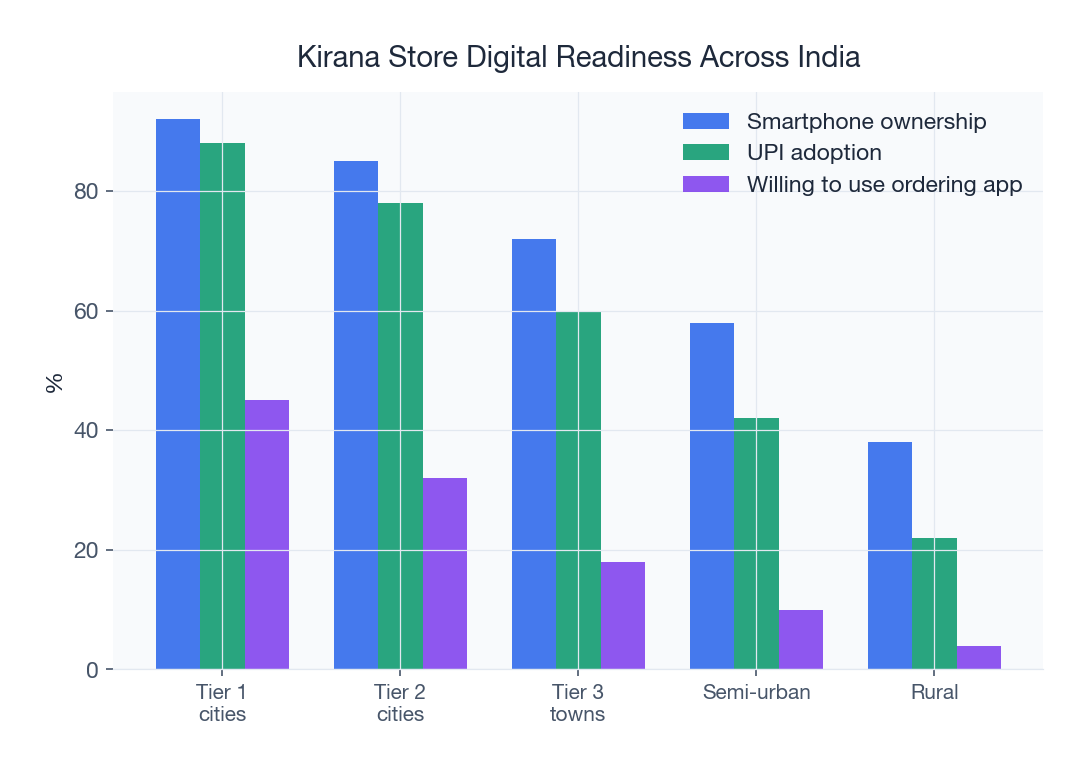
- "لا أستطيع استخدام هذا الهاتف/التطبيق" - العديد من مندوبي المبيعات الميدانية في المناطق من الفئة 2 والفئة 3 لديهم معرفة محدودة بالهواتف الذكية. يجب أن يكون التطبيق بسيطاً بما يكفي للاستخدام بأقل تدريب.
استراتيجيات محاذاة الحوافز
أسرع طريقة لدفع التبني هي محاذاة الحوافز مع النظام الجديد:
- مكافأة الالتزام بالمسار - ادفع مكافأة يومية صغيرة (50-100 روبية) لتحقيق التزام بالمسار بنسبة 90%+. هذا يجعل التطبيق جذاباً مالياً من اليوم الأول.
- الأجر المرتبط بالإنتاجية - اربط جزءاً من الأجر المتغير بالمنافذ يومياً ونسبة المكالمات المنتجة، وهي مقاييس تتحسن بشكل طبيعي عند اتباع المسارات.
- لوحات المتصدرين - اعرض الترتيب اليومي/الأسبوعي ضمن الفرق. سيدفع المندوبون التنافسيون أنفسهم للترتيب الأعلى.
- تقليل الأعمال الورقية - القضاء على التقارير اليومية اليدوية. عندما يتم التقاط كل شيء في التطبيق، يوفر المندوبون 30-45 دقيقة من كتابة التقارير يومياً. هذه فائدة ملموسة يشعرون بها فوراً.
التدريب لطاقم الميدان في المدن من الفئة 2 والفئة 3
غالباً ما تفشل أساليب التدريب التي تعمل لفرق المبيعات المتمركزة في المدن الكبرى مع طاقم الميدان في المدن الأصغر. يتطلب التدريب الفعّال لفرق الفئة 2/الفئة 3:
- دعم التطبيق باللغات المحلية - يجب أن يكون التطبيق متاحاً بالهندية والتاميلية والتيلوغوية والغوجاراتية والماراثية والكانادية والبنغالية كحد أدنى. يدعم SpireStock أكثر من 10 لغات هندية.
- التدريب القائم على الفيديو - مقاطع فيديو قصيرة من 2-3 دقائق باللغات المحلية تعرض كل وظيفة من وظائف التطبيق، موزعة عبر مجموعات WhatsApp التي تستخدمها الفرق الميدانية بالفعل يومياً.
- نظام الرفيق - اقرن كل مستخدم جديد بزميل ذي خبرة تقنية للأسبوعين الأولين. التعلم من الأقران أكثر فعالية من التدريب الرسمي في الفصول الدراسية لطاقم الميدان.
- الطرح التدريجي - ابدأ بمجرد تسجيل الوصول/الخروج للأسبوع الأول. أضف التقاط الطلب في الأسبوع الثاني. أضف تتبع العروض في الأسبوع الثالث. إغراق المستخدمين بجميع الميزات في اليوم الأول يضمن الفشل.
قياس نجاح التبني
تتبع هذه المقاييس أسبوعياً خلال الـ 90 يوماً الأولى من الطرح:
- المستخدمون النشطون يومياً (DAU) كنسبة مئوية من إجمالي طاقم الميدان (الهدف: 90%+ بحلول الأسبوع 4)
- متوسط تسجيلات الوصول لكل مستخدم في اليوم (الهدف: مطابقة أهداف زيارة المنفذ بحلول الأسبوع 6)
- معدل التقاط الطلب عبر التطبيق مقابل اليدوي (الهدف: 95%+ رقمي بحلول الأسبوع 8)
- نسبة الالتزام بالمسار (الهدف: 85%+ بحلول الأسبوع 4، 95%+ بحلول الأسبوع 12)
اقرأ المزيد حول إدارة الفرق الميدانية بفعالية في دليل تتبع القوى الميدانية الخاص بنا واستكشف حلول إنتاجية المبيعات الخاصة بنا.
أفضل الممارسات العالمية لتخطيط مسارات FMCG
توزيع FMCG الهندي فريد من نواحٍ عديدة، ولكن هناك الكثير لنتعلمه من كيفية تعامل الشركات متعددة الجنسيات العالمية مع تخطيط المسارات في الأسواق الأخرى وما الذي كيّفته خصيصاً للهند.
نموذج Unilever العالمي
تعمل Unilever في أكثر من 190 دولة ولديها أرجح أكثر نظام تخطيط مسارات تطوراً في العالم. يُعرّف إطار عملها العالمي، المسمى برنامج "المتجر المثالي"، تكرار الزيارة بناءً على إمكانات المتجر بدلاً من المبيعات الحالية فقط. في الأسواق المتقدمة (أوروبا، أمريكا الشمالية)، تستخدم Unilever بيانات تدقيق التجزئة من جهات خارجية لتصنيف المتاجر. في الأسواق الناشئة (الهند، إندونيسيا، البرازيل)، يعتمدون بشكل كبير على بيانات قوتها الميدانية الخاصة.
في الهند، يغطي تخطيط مسارات HUL ما يقرب من 8 ملايين منفذ وصول مباشر من خلال شبكة من 3,500+ من وكلاء إعادة التوزيع. يُجهز تطبيق "Shikhar" الخاص بها كل مندوب بخطة مسار رقمية، ورؤية مخزون في الوقت الفعلي، وأدوات إبلاغ بالعروض. يستشهد التقرير السنوي لـ HUL بتوسيع الوصول المباشر كعامل رئيسي لمكاسبها المستمرة في حصة السوق.
نهج P&G المعتمد على البيانات
كانت Procter and Gamble رائدة في إدارة المناطق المعتمدة على البيانات من خلال نموذج "Market 2" الخاص بها. تُخصص P&G المناطق بناءً على درجة مركبة تُقيّم عدد المنافذ (40%)، وإمكانات الإيرادات (35%)، وكثافة المنافسة (25%). يُعلم نظامهم تلقائياً المناطق التي تنحرف فيها المبيعات الفعلية بشكل كبير عن الإمكانات، مما يؤدي إلى مراجعة إدارية.
في الهند، كانت P&G أكثر انتقائية بشأن التوزيع المباشر، مع التركيز على المنافذ الحضرية عالية القيمة واستخدام قنوات الجملة للمدن الأصغر. يتم تحسين خطط مساراتها في المدن الكبرى لعدد أقل من الزيارات الأعلى قيمة، وهي استراتيجية تعمل لمحفظة منتجاتها الفاخرة.
تحسين التكرار من Nestle
تستخدم Nestle نموذج "تكرار الزيارة الصحيح" (RVF) الذي يحسب وتيرة الزيارة المثلى لكل منفذ فردي بناءً على تاريخ الطلب ومساحة الرف وديناميكيات الفئة. منفذ يطلب نودلز Maggi أسبوعياً ولكن Nescafe شهرياً يحصل على أولويات زيارة مختلفة لفئات المنتجات المختلفة. هذا النهج متعدد التكرارات يُعظم إنتاجية المندوب من خلال ضمان حدوث الزيارات عندما يكون من المرجح أن تولد طلبات.
التحديات الفريدة للهند
في حين أن أفضل الممارسات العالمية هذه توفر أطراً مفيدة، تُقدم الهند تحديات لا توجد في أي مكان آخر:
- تجزئة التجزئة الشديدة - تمتلك الهند 12-14 مليون منفذ تجزئة، مقارنة بحوالي مليون في الولايات المتحدة و350,000 في المملكة المتحدة. يحقق متجر الكيرانا الهندي المتوسط 5,000-15,000 روبية من المبيعات اليومية عبر جميع الفئات. هذا يعني أن علامات FMCG يجب أن تغطي عدداً أكبر بكثير من المنافذ بقيم متوسطة طلبات أصغر بكثير.
- البنية التحتية الضعيفة للعناوين - العديد من منافذ التجزئة الهندية ليس لديها عناوين رسمية. في مدن مثل مومباي ودلهي، قد تشير العناوين إلى المعالم بدلاً من أرقام الشوارع. تصبح إحداثيات GPS وعلامات الموقع بنمط what3words ضرورية لدقة تخطيط المسار.
- توزيع متعدد العلامات التجارية - على عكس الأسواق الغربية حيث يتعامل الموزعون غالباً مع عائلة علامة تجارية واحدة، يحمل الموزعون الهنود عادةً 20-50 علامة تجارية. هذا يعني أن المنفذ نفسه قد يتلقى زيارات من مندوبي نفس الموزع لمحافظ علامات تجارية مختلفة، مما يخلق تعقيد التنسيق.
- المعاملات المهيمنة بالنقد - على الرغم من النمو السريع لـ UPI، لا تزال 40-50% من معاملات الكيرانا قائمة على النقد (RedSeer Consulting، 2025). يجب أن يأخذ تخطيط المسارات في الاعتبار دورات تحصيل النقد وإدارة الائتمان، وليس فقط وضع الطلب.
- طفرات الطلب الموسمية والاحتفالية - يمكن أن يتأرجح الطلب 200-400% خلال مواسم المهرجانات (ديوالي، عيد، بونغال، نافراتري). يجب أن تكون خطط المسار مرنة بما يكفي للتعامل مع زيادات التكرار المؤقتة دون الانكسار.
التكامل مع المبيعات الثانوية وتتبع العروض
تخطيط المسارات لا يوجد بمعزل عن غيره. تظهر قوته الحقيقية عندما تتصل بيانات المسار مع التقاط المبيعات الثانوية وتتبع العروض وتخطيط الطلب لإنشاء رؤية توزيع شاملة.
تدفق البيانات: من الزيارة الميدانية إلى الإيرادات
إليك كيف يعمل التكامل في منصة حديثة لإدارة التوزيع:
- تنفيذ المسار - يتبع المندوب مساره المخصص، مع تسجيل الوصول في كل منفذ عبر تطبيق الهاتف المحمول
- التقاط الطلب - في كل منفذ، يضع المندوب طلباً عبر التطبيق، والذي يرتبط بنظام إدارة الطلبات
- تطبيق العروض - يتم تطبيق العروض التجارية المعمول بها تلقائياً على الطلب، مما يضمن وصول مزايا العرض إلى تاجر التجزئة دون حساب يدوي
- إنشاء الفاتورة - يُنشئ الطلب فاتورة متوافقة مع GST من خلال وحدة الفوترة
- التسليم والتنفيذ - يتم إرسال الطلب وتتبعه من خلال تتبع التوزيع
- تسجيل المبيعات الثانوية - يُسجل التسليم المكتمل كبيع ثانوي، مرئي في تحليلات المبيعات
- التحقق من دفع العروض - في نهاية الشهر، يحسب النظام مدفوعات العروض الفعلية بناءً على بيانات المبيعات الثانوية التي تم التحقق منها، مما يمنع تسرب العروض
يعني هذا التكامل الشامل أنه يمكن تتبع كل روبية من الإنفاق التجاري من ميزانية عرض العلامة التجارية عبر الموزع إلى تاجر التجزئة المحدد الذي تلقى الفائدة. بالنسبة للعلامات التجارية التي تنفق 8-15% من الإيرادات على العروض التجارية، يمكن لهذه الرؤية وحدها توفير 2-4% من ميزانية العرض من خلال القضاء على التسرب وسوء التخصيص.
فوائد تخطيط الطلب
عندما تتراكم بيانات المبيعات الثانوية المرتبطة بالمسار على مدى 3-6 أشهر، تصبح مدخلاً قوياً لتخطيط الطلب. يمكنك التنبؤ بالطلب على مستوى SKU على مستوى المنفذ، وتحديد المنافذ التي من المرجح أن تزيد الطلبات (وتستحق زيارات أكثر تكراراً)، واكتشاف الإشارات المبكرة للإزاحة التنافسية قبل ظهورها في بيانات تدقيق تجزئة NielsenIQ.
اقرأ المزيد حول كيفية ربط منصات التوزيع الحديثة بين هذه التدفقات في دليل إدارة مبيعات الشاحنات وحلول إدارة الموزعين الخاصة بنا.
أفضل ممارسات التنفيذ
- قم بتنظيف قاعدة بيانات تجار التجزئة أولاً - مدخلات سيئة، مخرجات سيئة. تأكد من أن كل تاجر تجزئة لديه إحداثيات GPS صحيحة وتصنيف فئة وتفاصيل اتصال. هذه الخطوة الواحدة تحدد 60% من نجاح التنفيذ.
- ابدأ بمنطقة واحدة - جرب في منطقة واحدة قبل الطرح على المستوى الوطني. اختر منطقة بها ASM متعاون ومندوبون مستقبلون للتكنولوجيا. استخدم التجربة لتحسين مواد التدريب وتحديد قضايا التكامل.
- إشراك الفرق الميدانية في التصميم - فهم يعرفون الحقائق الأرضية. مندوب ساعد في تصميم مساره الخاص سيتبعه بجدية أكبر من واحد تلقى مهمة من أعلى إلى أسفل.
- حدد أهدافاً واضحة للإنتاجية - امنح المندوبين رؤية لمؤشرات الأداء الرئيسية الخاصة بهم. عندما يستطيع المندوب رؤية منافذه يومياً تتجه نحو الأعلى على هاتفه، يأخذ ملكية المقياس.
- راقب أسبوعياً وحسّن - يجب أن تتطور خطط المسارات مع الواقع السوقي. الإصدار الأول لن يكون مثالياً. خطط لمراجعات أسبوعية خلال الشهر الأول ومراجعات شهرية بعد ذلك.
- التكامل مع الأنظمة الحالية - يجب أن يتصل برنامج تخطيط المسارات بوحدات إدارة الطلبات والفوترة وتتبع التوزيع. تخطيط المسارات المستقل بدون تكامل يقدم 40% فقط من القيمة المحتملة.
حوّل إنتاجية فريقك الميداني مع SpireStock. ساعدت وحدة تخطيط المسارات الخاصة بنا العلامات التجارية عبر مومباي ودلهي وبنغالور وتشيناي وأكثر من 15 مدينة هندية على رفع المنافذ يومياً بنسبة 40-60%. احجز عرضاً اليوم.
المستقبل: تخطيط المسارات المدعوم بـ AI
يستخدم الجيل التالي من تخطيط المسارات AI للتنبؤ بأفضل وقت زيارة لكل تاجر تجزئة بناءً على أنماط الطلب التاريخية، والتوصية بعروض مخصصة بناءً على بيانات المبيعات، وإعادة توازن المسارات ديناميكياً استجابةً للتغيرات في الوقت الفعلي. ستتمتع العلامات التجارية التي تتبنى تخطيط المسارات المدعوم بـ AI في عام 2026 بميزة إنتاجية حاسمة.
تشمل قدرات AI المحددة الناشئة في السوق:
- التنبؤ بحجم الطلب - يتنبأ النظام بما من المحتمل أن يطلبه كل تاجر تجزئة قبل زيارة المندوب، مما يُمكّن من تحميل مركبات التوصيل مسبقاً وتقليل حالات نفاد المخزون
- التنبؤ بالانسحاب - تحدد نماذج التعلم الآلي تجار التجزئة المعرضين لخطر التحول إلى المنافسين، مما يؤدي إلى زيارات احتفاظ استباقية
- المسارات المعدلة وفقاً للطقس والأحداث - خلال موسم الأمطار في مومباي أو الحر الشديد في دلهي، يُعدل AI تسلسلات المسار لمراعاة سرعة التنقل المنخفضة وأنماط الشراء المتغيرة
- اكتشاف المنفذ الجديد - يمكن لبيانات مسار GPS من الفرق الميدانية، مجتمعة مع صور الأقمار الصناعية وبيانات قوائم الأعمال، تحديد المنافذ الجديدة المحتملة التي لم تكن بعد في البيانات الرئيسية لتجار التجزئة
تُقدر McKinsey أن تحسين القوى الميدانية المدعوم بـ AI يمكن أن يُقدم تحسين إنتاجية إضافي بنسبة 10-15% على الأنظمة القائمة على القواعد لعمليات FMCG الكبيرة مع 500+ مندوب.
الخاتمة
برنامج تخطيط المسارات هو واحد من أعلى استثمارات العائد على الاستثمار في توزيع FMCG. يزيد الإيرادات مباشرة، ويخفض التكاليف، ويحسن رضا كل من تجار التجزئة والمندوبين. من تصميم المناطق إلى تجزئة تجار التجزئة، من التقاط المبيعات الثانوية إلى تتبع العروض، يحول نظام تخطيط المسارات المُنفّذ جيداً كل جانب من جوانب عمليات المبيعات الميدانية.
تتطلب البنية التحتية الفريدة للتجزئة في الهند، مع أكثر من 12 مليون متجر كيرانا، وشبكات التوزيع المجزأة، والجغرافيا المتنوعة من كولكاتا إلى أحمد آباد، حلولاً مصممة لغرض محدد لا يمكن للبرامج العالمية توفيرها بشكل جاهز. سواء كنت موزع منتجات ألبان في غوجارات، أو شركة FMCG في تاميل نادو، أو علامة مخبوزات تتوسع وطنياً، فإن برنامج تخطيط المسارات هو الأساس الذي يُبنى عليه التوزيع القابل للتوسع.
إذا كنت لا تزال تخطط المسارات يدوياً، فأنت تترك أموالاً كبيرة على الطاولة، أموال يمكن للبرامج الحديثة فتحها في أسابيع. استكشف تحسين المسارات وحلول إنتاجية المبيعات وأساسيات تخطيط المسارات للبدء. هل أنت مستعد لرؤيته أثناء العمل؟ اطلب عرضاً مجانياً أو راجع التسعير لدينا.
المصادر والمراجع
الأسئلة المتكررة
برنامج تخطيط المسارات هو منصة متخصصة تقوم بأتمتة تصميم وتنفيذ ومراقبة مسارات المبيعات الميدانية. يأخذ في الاعتبار كثافة تجار التجزئة والجغرافيا وإمكانات المبيعات وقدرة المندوب لإنشاء مسارات مثلى، ثم يتتبع الالتزام بالمسار عبر GPS وتطبيقات الهاتف المحمول.
يزيد البرنامج عادةً عدد المنافذ يومياً بنسبة 40-60%، ويُحسّن الالتزام بالمسار من 70-85% إلى 95-98%، ويُقلل المنافذ المفقودة إلى أقل من 3%، ويُخفض حصة وقت التنقل بنسبة 40%. مجتمعةً، تدفع هذه التحسينات إلى نمو الإيرادات بنسبة 20-30%.
يقيس الالتزام بالمسار مدى التزام المندوبين بالمسارات المخصصة لهم. الالتزام المنخفض (الزيارات الوهمية، المنافذ التي تم تخطيها، التسلسلات الخاطئة) يعني خسارة المبيعات وبيانات غير دقيقة. يدفع تتبع GPS المدعوم بالبرنامج الالتزام إلى ما يزيد عن 95%، مما يوفر دليلاً قابلاً للتدقيق على الزيارات.
نعم. تتكامل وحدات تخطيط المسارات الحديثة بسلاسة مع أنظمة إدارة الموزعين، وتربط الزيارات الميدانية بالطلبات والفواتير والمبيعات الثانوية وتنفيذ العروض الترويجية. يوفر هذا رؤية شاملة من زيارة المنفذ إلى الإيرادات.
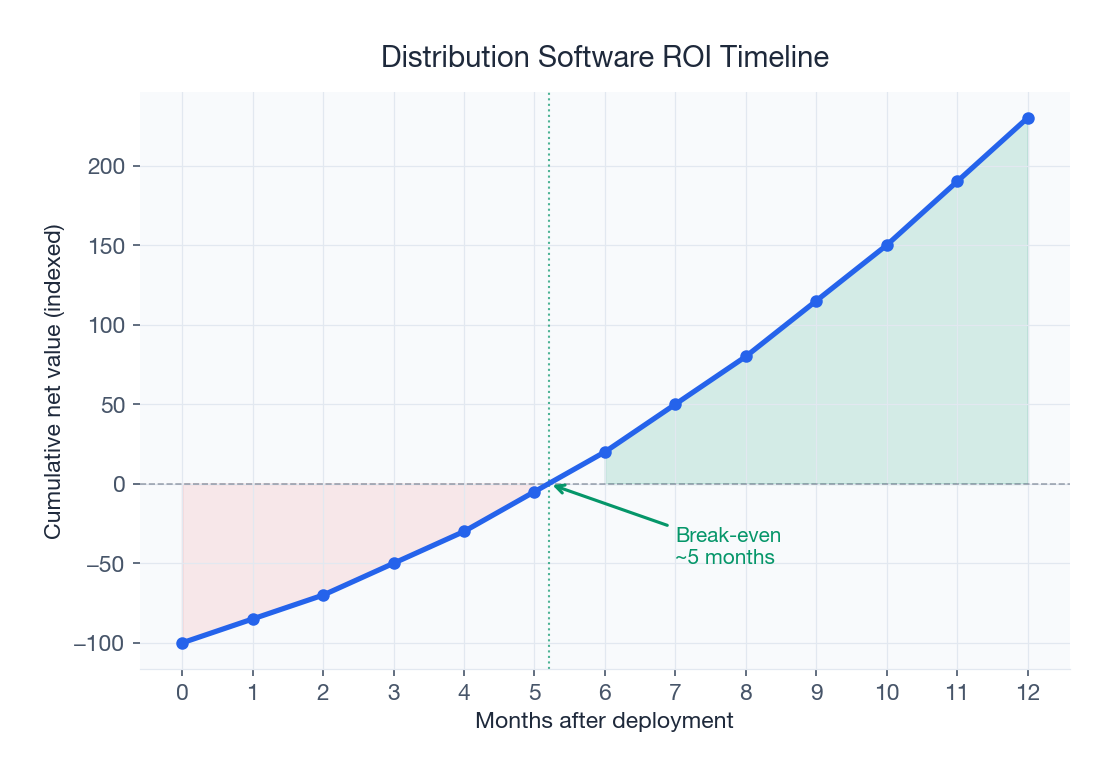
تكلف ميزات تخطيط المسارات عادةً 300-1,500 روبية لكل مستخدم شهرياً كجزء من منصة DMS أوسع. تبدأ وحدات تخطيط المسارات المستقلة بحوالي 5,000 روبية شهرياً. يتم تحقيق العائد على الاستثمار عادةً خلال 2-4 أشهر من خلال مكاسب الإنتاجية.
تخطيط المسارات هو التصميم الاستراتيجي للمسارات اليومية/الأسبوعية المخصصة لكل مندوب (أي المنافذ يجب زيارتها، وكم مرة، وبأي تسلسل). تحسين المسارات هو التقليل التكتيكي لوقت التنقل ضمن مسار يوم محدد. يعمل كلاهما معاً في منصة متكاملة.
ميزات SpireStock ذات الصلة
صناعات ذات صلة
حلول ذات صلة
كيانات ذات صلة
هل أنت مستعد لتبسيط عملية التوزيع؟
ابدأ تجربتك المجانية لمدة 14 يوماً واكتشف كيف يمكن لـ SpireStock تحويل عملية توزيع الألبان أو السلع الاستهلاكية الخاصة بك، من استلام الطلبات إلى استرداد الصناديق.

SpireStock Team
خبراء تكنولوجيا التوزيع
يكتب SpireStock Team لصالح SpireStock حول إدارة التوزيع وتحسين سلسلة التوريد والعمليات الميدانية لعلامات الألبان وFMCG الهندية.