ما هي مبيعات الشاحنات؟
مبيعات الشاحنات هي نموذج توزيع تعمل فيه مركبة التوصيل كمنفذ بيع متنقل. يتم تحميل الشاحنة بوحدات SKU مُختارة مسبقًا، وقيادتها إلى سلسلة من منافذ البيع بالتجزئة، ويقوم السائق/البائع بالبيع في الموقع، وأخذ الطلبات، وتسليم المخزون، وإصدار الفواتير، وتحصيل المدفوعات في زيارة واحدة. وهو القناة المهيمنة لفئات FMCG التي يرغب فيها تجار التجزئة في الحصول على المخزون فورًا بدلاً من تقديم طلبات مسبقة: المشروبات، والوجبات الخفيفة، والبسكويت، والتبغ، والعناية الشخصية، والحلويات.
تهيمن مبيعات الشاحنات بشكل خاص في الأسواق الهندية من الفئتين 2 و 3، حيث يكون تجار التجزئة صغارًا، والطلبات صغيرة، ويجب أن تكون زيارات التوزيع فعالة للغاية. وفقًا لـ NielsenIQ India، تمثل مبيعات الشاحنات حوالي 30-40% من إجمالي التوزيع الثانوي لـ FMCG في المناطق الحضرية الهندية، وأكثر من 60% في الأسواق شبه الحضرية والريفية. تغطي شاحنة FMCG النموذجية 40-80 منفذًا يوميًا وتُحقق مبيعات في نفس اليوم بقيمة 50,000-2 لكح روبية. اضرب ذلك في مئات الشاحنات وآلاف المركبات، وتصبح مبيعات الشاحنات فئة تشغيلية بقيمة عدة آلاف من الكرور تحتاج بشدة إلى الرقمنة.
تُقدّر مؤسسة India Brand Equity Foundation (IBEF) أن قطاع FMCG الهندي سيصل إلى 220 مليار دولار بحلول عام 2025، مع نمو الاستهلاك الريفي بمعدل 1.5 ضعف المعدل الحضري. ويتغذى هذا النمو مباشرة من التوزيع القائم على الشاحنات الذي يصل إلى أعماق أكثر من 600,000 قرية في الهند.
برنامج إدارة مبيعات الشاحنات هو تقنية مُصممة لهذا سير العمل. إذا كنت تُدير شاحنات في حيدر آباد، تشيناي، بونه، مومباي، دلهي، أو أحمد آباد، فتابع القراءة. أو احجز عرضًا توضيحيًا لرؤية وحدة مبيعات الشاحنات في SpireStock.
لماذا تحتاج مبيعات الشاحنات إلى برنامج متخصص
1. البيع في الموقع
لا يأخذ موظفو مبيعات الشاحنات طلبات يتم تنفيذها لاحقًا. إنهم يبيعون من مخزون الشاحنة فورًا. يتطلب ذلك رؤية المخزون في الوقت الفعلي على الجهاز المحمول للبائع، وإصدار فواتير فورية، وخصم المخزون الفوري. لا يمكن لأنظمة إدارة الطلبات العامة المُصممة لسير عمل البيع المسبق التعامل مع نموذج استنفاد المخزون في الوقت الفعلي هذا.
2. إدارة النقد والائتمان
معظم مبيعات الشاحنات هي معاملات نقدية أو UPI. لدى بعض تجار التجزئة حدود ائتمانية. يجب على النظام تتبع النقد الموجود لدى كل بائع، والتقاط طريقة الدفع في كل عملية بيع، وتسوية النقد اليومي مع المبيعات في نهاية اليوم. وفقًا لتقرير McKinsey India حول رقمنة التجزئة، لا يزال التعامل بالنقد هو المصدر الأكبر للتسرب في توزيع FMCG الهندي، حيث يُمثل خسارة في الإيرادات بنسبة 3-8% على مستوى الموزع.
3. تسوية المخزون
تبدأ كل شاحنة يومها بمخزون مُحمّل ("حمولة شاحنة") وتنتهي بالمخزون المتبقي + المبيعات + المرتجعات. تشير الاختلافات إلى السرقة أو التلف أو الأخطاء. التسوية الآلية ضرورية. بدون برنامج، تستغرق هذه العملية 1-2 ساعة لكل شاحنة يوميًا وتكون عُرضة للأخطاء.
4. الالتزام بالمسار
تتبع الشاحنات مسارات ثابتة. يتتبع البرنامج GPS للتحقق من أن البائع يزور فعلًا تجار التجزئة المُعينين، وليس فقط وضع علامات على زيارات وهمية. اقرأ المزيد عن برنامج تخطيط المسارات لـ FMCG وما يعنيه تخطيط المسارات في FMCG.
5. تطبيق الجوال ووضع عدم الاتصال
تحدث مبيعات الشاحنات في الأسواق النائية ذات الاتصال المتقطع. يجب أن يعمل تطبيق الجوال بدون اتصال ويُزامن عند عودة الاتصال. هذا غير قابل للتفاوض: لا يمكن لبائع الشاحنة الذي يزور 60-80 منفذًا يوميًا أن يتحمل فقدان المعاملات بسبب انقطاع الشبكة في منطقة ريفية.
مبيعات الشاحنات مقابل البيع المسبق مقابل النماذج الهجينة: مقارنة شاملة
قبل اختيار برنامج مبيعات الشاحنات، يجب على الموزعين الهنود فهم مكان مبيعات الشاحنات ضمن المشهد الأوسع لنموذج التوزيع. تهيمن ثلاثة نماذج أساسية على توزيع FMCG الهندي، ويستخدم العديد من العلامات التجارية مزيجًا.
كيف يعمل كل نموذج
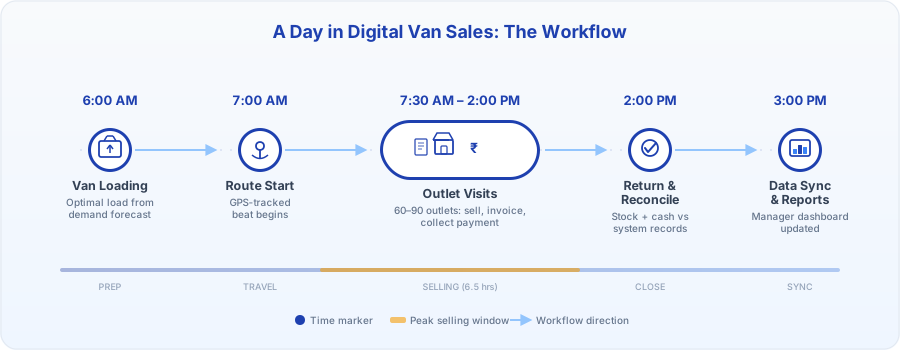
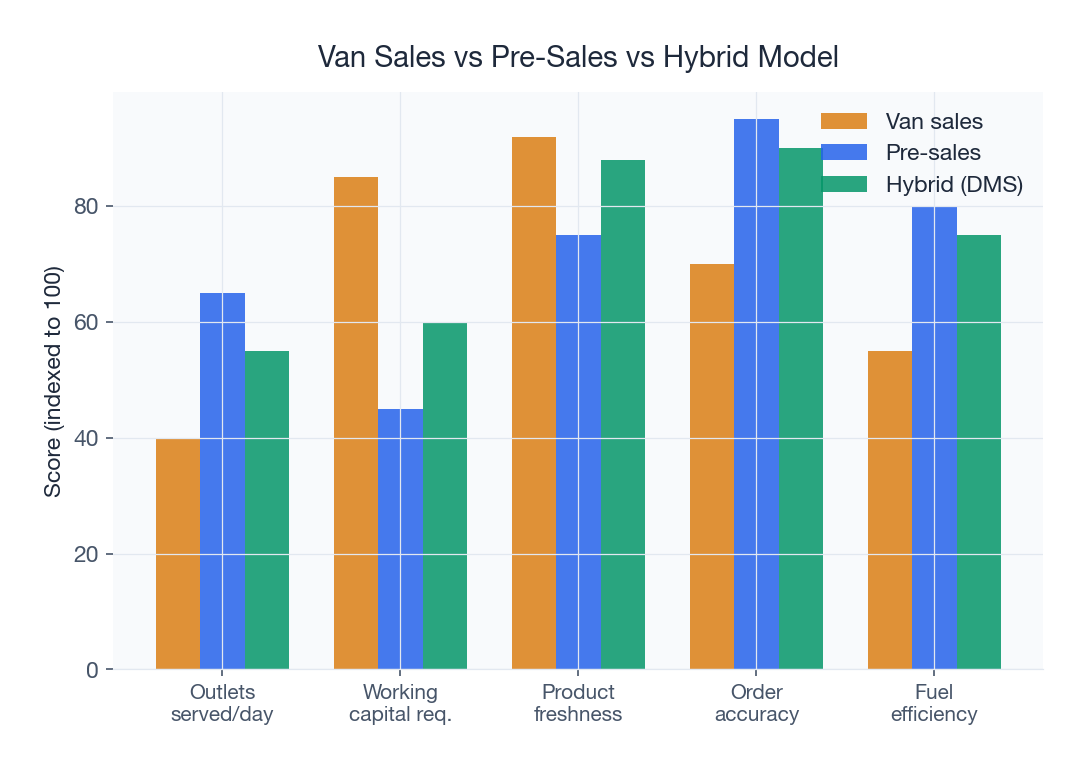
مبيعات الشاحنات (الدفع نقدًا والاستلام): يقوم البائع بتحميل الشاحنة بالمنتجات في بداية اليوم، ويزور تجار التجزئة على مسار ثابت، ويبيع من مخزون الشاحنة في الموقع، ويُصدر فواتير، ويُحصّل الدفعات، ويعود مع المخزون والنقد المتبقي. تحدث دورة المبيعات الكاملة، من الطلب إلى التسليم إلى الدفع، في زيارة واحدة.
البيع المسبق (حجز الطلبات): يزور مندوب مبيعات مُخصص تجار التجزئة، ويأخذ الطلبات على جهاز محمول أو ورق، ويُقدمها إلى المستودع. يقوم فريق توصيل منفصل بتنفيذ تلك الطلبات بعد 24-48 ساعة. البائع وشخص التوصيل هما أشخاص مختلفون على مركبات مختلفة.
النموذج الهجين: يجمع بين كلا النهجين. عادةً، تُستخدم مبيعات الشاحنات للفئات عالية التردد ومنخفضة التذكرة (البسكويت، الرقائق، المشروبات) حيث يرغب تجار التجزئة في المخزون الفوري، بينما يُستخدم البيع المسبق للطلبات الأكبر والمُخططة (زيت الطهي، المنظفات، الأرز). تُدير العديد من العلامات التجارية الهندية الكبيرة مثل Parle و Britannia و ITC نماذج هجينة عبر شبكات موزعيها.
| المعيار | مبيعات الشاحنات | البيع المسبق | الهجين |
|---|---|---|---|
| وقت الطلب إلى التسليم | فوري (نفس الزيارة) | 24-48 ساعة | يختلف حسب SKU |
| دور البائع | البيع + التسليم + التحصيل | أخذ الطلبات فقط | كلاهما حسب الفئة |
| استخدام المركبة | متوسط (يحمل مخزونًا غير مُباع) | عالي (يُسلّم طلبات مؤكدة) | مُحسّن لكل قناة |
| مخاطر التعامل بالنقد | عالي (تحصيل نقدي يومي) | أقل (فواتير منفصلة) | متوسط |
| الأفضل للفئات | المشروبات، الوجبات الخفيفة، البسكويت، الألبان | زيت الطهي، المنظفات، الأساسيات | موزعو الفئات المتعددة |
| نطاق SKU لكل زيارة | 50-150 SKU على الشاحنة | الكتالوج الكامل (الطلب من الكتالوج) | SKU الشاحنة + الكتالوج للباقي |
| تفضيل تاجر التجزئة | كيرانا صغيرة، حاجة فورية | التجزئة المنظمة، شراء مُخطط | مدن السوق المختلطة |
| التكلفة لكل زيارة منفذ | 15-30 روبية | 8-15 روبية (طلب) + 10-20 روبية (تسليم) | 12-25 روبية مدمجة |
| متطلبات التكنولوجيا | POS محمول + طابعة حرارية | تطبيق حجز الطلبات + DMS | DMS كامل + وحدة مبيعات الشاحنات |
| المنطقة الجغرافية المناسبة | الريف، شبه الحضري، الفئة 3/4 | الحضر، المدن الكبرى، التجارة المنظمة | مدن الفئة 2 ذات التجزئة المختلطة |
وفقًا لـ RedSeer Consulting، يستخدم حوالي 55% من موزعي FMCG الهنود الآن شكلًا من أشكال النموذج الهجين، ارتفاعًا من 30% قبل خمس سنوات. يقود التحول العلامات التجارية التي تدفع بعمق إلى الأسواق الريفية (مما يتطلب مبيعات الشاحنات) بينما تخدم في نفس الوقت التجارة الحديثة (مما يتطلب البيع المسبق). يدعم SpireStock جميع النماذج الثلاثة من خلال منصاته المتكاملة لإدارة الموزعين و تطبيق الجوال.
متى تستخدم أي نموذج
- مبيعات الشاحنات الخالصة: عندما يكون تجار التجزئة لديك صغارًا (مشتريات شهرية أقل من 5,000 روبية)، ويتوقعون التسليم في نفس اليوم، ويكونون في مناطق ذات لوجستيات منظمة محدودة. شائع في الهند الريفية والمدن الصغيرة وفئات الشراء الاندفاعي.
- البيع المسبق الخالص: عند خدمة سلاسل التجارة الحديثة، أو متاجر الكيرانا الكبيرة ذات الطلبات المُخططة، أو الفئات ذات قيم الطلبات الكبيرة. شائع في المدن الكبرى ومدن الفئة 1.
- الهجين: عندما يُغطي موزعك سوقًا مختلطًا بتجار تجزئة صغار وكبار، أو عندما توزع فئات متعددة بأنماط طلب مختلفة. هذا هو النموذج الأكثر شيوعًا للموزعين في بنغالور، تشيناي، و بونه.
الميزات الأساسية لبرنامج إدارة مبيعات الشاحنات
1. إدارة حمولة الشاحنة
كل صباح، يُولّد النظام حمولة الشاحنة، وهي كمية كل SKU التي سيتم تحميلها بناءً على المبيعات التاريخية والمخزون الحالي والطلبات القادمة. يتم التقاط التحميل رقميًا؛ ويتم قفل المخزون الافتتاحي. هذا هو أساس سير عمل مبيعات الشاحنات بأكمله، وتتسلسل الأخطاء هنا طوال اليوم.
2. الفوترة في الموقع
في كل منفذ، يُسجل البائع ما يشتريه تاجر التجزئة، ويُطبق النظام الخطط تلقائيًا، ويُصدر فاتورة متوافقة مع GST، تتم طباعتها على طابعة حرارية أو مشاركتها رقميًا. تعرّف على المزيد في دليلنا فوترة الفواتير.
3. POS المحمول والتقاط الدفع
نقدًا، UPI، بطاقة، جميع طرق الدفع مدعومة. يُمكّن تكامل UPI الدفع المباشر عند منضدة تاجر التجزئة. يتم إنشاء الإيصالات تلقائيًا. مع تحصيل المدفوعات الرقمية، ينخفض التعامل بالنقد بنسبة 40-60% في الأشهر الثلاثة الأولى.
4. محرك الخطط على الجوال
تُطبق الخطط التجارية تلقائيًا أثناء البيع. يُقضي محرك الخطط الذي يعمل على الجوال (حتى بدون اتصال) على الأخطاء اليدوية. هذا أمر بالغ الأهمية لأن تسرب الخطط في FMCG يمكن أن يُؤدي إلى تآكل 5-15% من ميزانيات الترويج التجاري عند تطبيق الخطط يدويًا.
5. تتبع GPS والالتزام بالمسار
يتحقق تتبع الحضور والمسار القائم على GPS من أن الشاحنة تتبع مسارها المُعين وتزور المنافذ الصحيحة. مع تتبع التوزيع، يُتيح هذا للمديرين رؤية كاملة لعمليات الميدان.
6. تسوية المخزون وإغلاق النقد
في نهاية اليوم، يُحمّل البائع مخزون الشاحنة المتبقي والنقد المُحصّل. يُسوي النظام: المخزون الافتتاحي = المخزون المباع + المخزون المتبقي + المرتجعات. النقد المُحصّل = إجمالي الفاتورة + UPI + بطاقة. يتم الإبلاغ عن التناقضات تلقائيًا.
7. تخطيط المسار والمسار
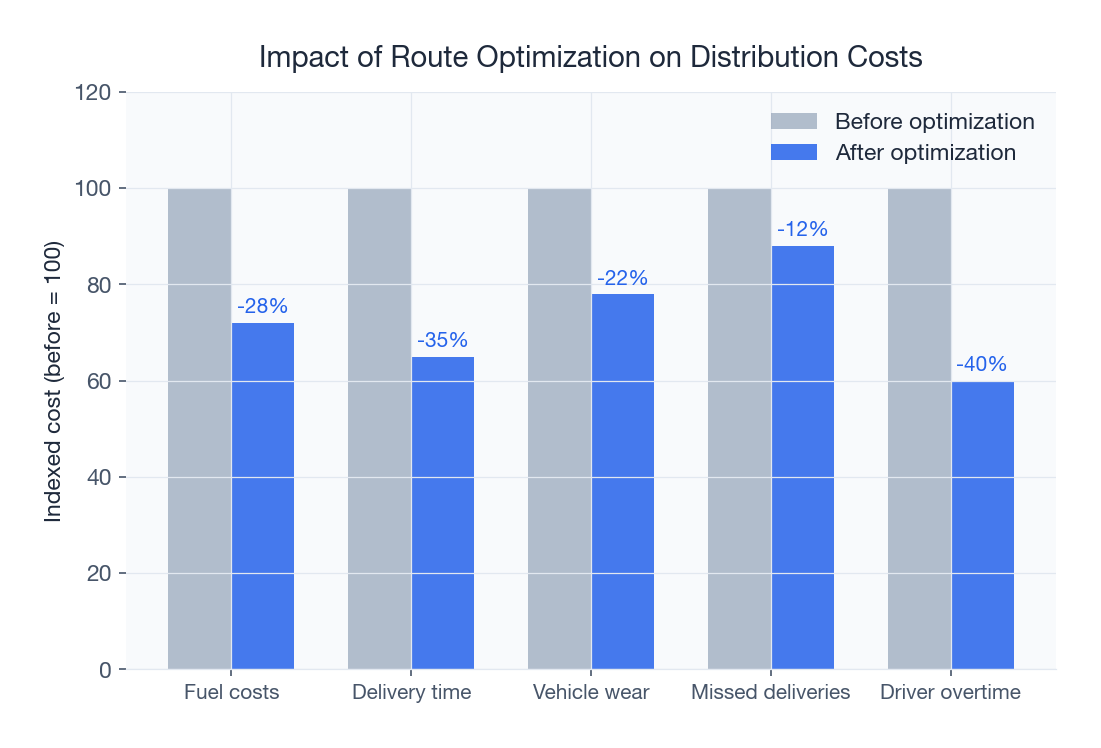
يضمن تحسين المسار أن تُغطي الشاحنات أكبر عدد من تجار التجزئة في أقل وقت، مما يُقلل تكاليف الوقود ويزيد الإنتاجية. للتعمق أكثر، اقرأ دليل برنامج تخطيط المسارات.
8. لوحة معلومات التحليلات
تُظهر لوحات معلومات التحليلات المبيعات اليومية حسب الشاحنة، وإنتاجية البائع، وفعالية الخطة، وتغطية المسار. يمكن للمديرين في مقرات مومباي أو دلهي مراقبة عمليات الشاحنات في جميع أنحاء البلاد في الوقت الفعلي.
مجموعة الأجهزة لمبيعات الشاحنات
سؤال شائع من الموزعين الذين يُقيّمون برنامج مبيعات الشاحنات هو: ما هي الأجهزة التي أحتاجها فعلًا؟ الخبر السار هو أن إجمالي الاستثمار في الأجهزة لكل شاحنة منخفض بشكل ملحوظ، عادةً 15,000-25,000 روبية، والذي يُسدد نفسه في الشهر الأول من العمليات الرقمية.
الأجهزة الأساسية
| الجهاز | الغرض | نطاق الميزانية | الخيارات الموصى بها |
|---|---|---|---|
| هاتف Android ذكي | جهاز البيع الأساسي: التقاط الطلبات، الفوترة، GPS، الدفع | 8,000-15,000 روبية | Samsung Galaxy M14, Redmi Note 12, Realme Narzo 60. الحد الأدنى 4GB RAM, Android 12+ |
| طابعة حرارية (Bluetooth) | طباعة الفواتير في الموقع عند منضدة تاجر التجزئة | 3,000-8,000 روبية | 58mm للفواتير الصغيرة، 80mm للفواتير المُفصّلة. تعمل بالبطارية، عمر 8 ساعات |
| حامل QR لـ UPI | تحصيل المدفوعات الرقمية عند منضدة تاجر التجزئة | 200-500 روبية | QR مُغلّف مع حامل. الرابط بمعرف UPI للبائع أو حساب الشركة |
| حامل هاتف للسيارة | ملاحة GPS أثناء القيادة بين المنافذ | 300-600 روبية | حامل مغناطيسي أو شفط للوحة العدادات |
| Power bank | نسخة احتياطية للبطارية ليوم كامل للهاتف والطابعة | 800-1,500 روبية | 10,000-20,000 mAh. ضروري لمسارات الشاحنات لمدة 10-12 ساعة |
الأجهزة الاختيارية للعمليات الأكبر
- جهاز لوحي (12,000-20,000 روبية): للشاحنات التي تحمل أكثر من 200 SKU، يوفر الجهاز اللوحي عرض كتالوج أكبر. مفيد لموزعي الحلويات والعناية الشخصية ذوي نطاقات المنتجات الواسعة.
- جهاز تتبع GPS للشاحنة (2,000-5,000 روبية): جهاز تتبع GPS منفصل مُثبت على المركبة لإدارة الأسطول، ومراقبة الوقود، ومنع السرقة. يُوفر تتبعًا على مستوى المركبة بشكل مستقل عن هاتف البائع. يتكامل مع حلول إدارة الأسطول.
- قارئ البطاقات (1,500-3,000 روبية): للمناطق التي تعتمد بطاقات الائتمان/الخصم. أجهزة Pine Labs أو Paytm Soundbox التي تُعلن تأكيدات الدفع.
- غطاء هاتف متين (500-1,000 روبية): يعمل بائعو الشاحنات في ظروف قاسية. يحمي الغطاء المتين جهاز البيع الأساسي من السقوط والغبار والمطر.
إجمالي الاستثمار لكل شاحنة: 15,000-25,000 روبية. لعملية مكونة من 20 شاحنة، يبلغ إجمالي إنفاق الأجهزة 3-5 لكح روبية، وهو استثمار لمرة واحدة يُحقق وفورات شهرية بقيمة 8-15 لكح روبية من خلال تقليل التسرب، وتسريع العمليات، وتحسين التغطية. عادةً ما يكون الجدول الزمني للعائد على الاستثمار 30-45 يومًا.
تحسين حمولة الشاحنة: تحدي التخطيط اليومي
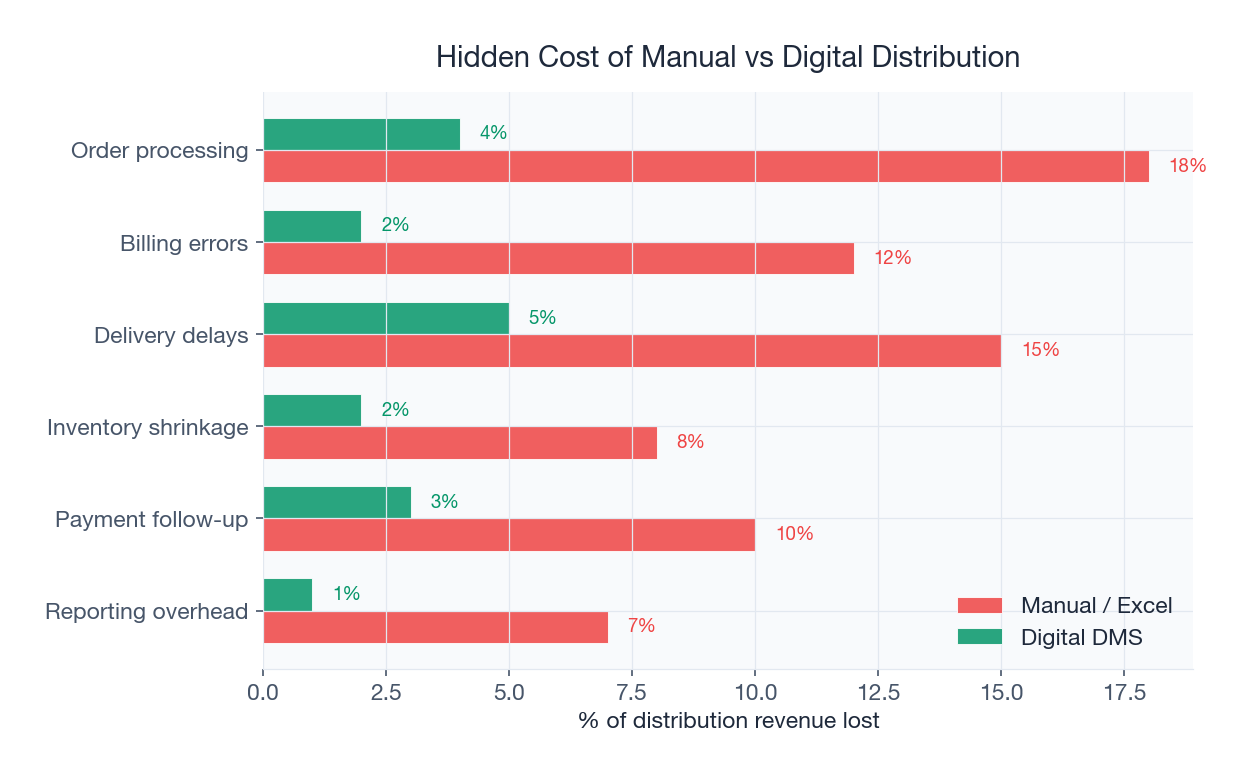
كل صباح، يُقرر شخص ما في مستودع الموزع ما يُوضع في كل شاحنة. يُحدد هذا القرار سقف إيرادات اليوم. قم بتحميل ناقص للشاحنة وسينفد من البائع وحدات SKU الشائعة بحلول الساعة 2 ظهرًا، مما يُفقد مبيعات بعد الظهر. قم بتحميل زائد للشاحنة وسيعود المخزون غير المباع في نهاية اليوم، مما يُقيد رأس المال العامل ويُخلق مخاطر هدر (خاصة للأطعمة القابلة للتلف مثل منتجات الألبان و منتجات المخابز).
النهج اليدوي (ولماذا يفشل)
في العمليات اليدوية، يتم تحديد حمولة الشاحنة من قبل المُشرف أو البائع بناءً على "الحدس" وبقايا الأمس. العملية النموذجية: يصل البائع إلى المستودع، وينظر إلى ما هو متاح، ويُحمّل ما يعتقد أنه سيبيعه، ويُغادر. يُؤدي هذا النهج إلى استخدام حمولة بنسبة 60-70%، مما يعني أن 30-40% من سعة الشاحنة إما تضيع على وحدات SKU بطيئة الحركة أو تُترك فارغة.
تحسين الحمولة المُوجّه بالبرامج
يُؤتمت برنامج إدارة مبيعات الشاحنات تخطيط الحمولة باستخدام مدخلات بيانات متعددة:
- بيانات المبيعات التاريخية: ما اشتراه كل منفذ في آخر 4 و 8 و 12 أسبوعًا. تأخذ المتوسطات المرجحة في الاعتبار الاتجاهات الحديثة.
- أنماط أيام الأسبوع: تختلف مبيعات الاثنين عن مبيعات السبت. تختلف أسابيع المهرجانات عن الأسابيع العادية.
- التعديلات الموسمية: ترتفع مبيعات المشروبات بنسبة 40-60% في الصيف. يبلغ الطلب على الحلويات ذروته خلال ديوالي. يُعدّل النظام تلقائيًا.
- الطلب المُوجّه بالخطة: عند إطلاق خطة "اشترِ 2 واحصل على 1" جديدة، يتنبأ النظام بزيادة الطلب ويُعدّل الحمولات للأعلى.
- التنبؤ على مستوى المنفذ: لكل منفذ نمط شراء خاص به. تشتري كيرانا كبيرة 2 صناديق من البسكويت أسبوعيًا؛ يشتري متجر باان صغير 6 عبوات. يقوم النظام بتحميل مخزون الشاحنة منفذًا بمنفذ.
- قيود سعة الشاحنة: المساحة المادية، وحدود الوزن، وأحجام مقصورة التخزين البارد تُؤخذ في الاعتبار في خطة الحمولة.
النتيجة: استخدام حمولة بنسبة 85-95%، مما يعني بيع كل شيء تقريبًا على الشاحنة. تنخفض المرتجعات من 8-12% إلى 2-4%. ينخفض نفاد المخزون في المنافذ الفردية بنسبة 45-60%. تزداد الإيرادات اليومية لكل شاحنة بنسبة 15-25% ببساطة لأن المنتجات الصحيحة موجودة على الشاحنة الصحيحة.
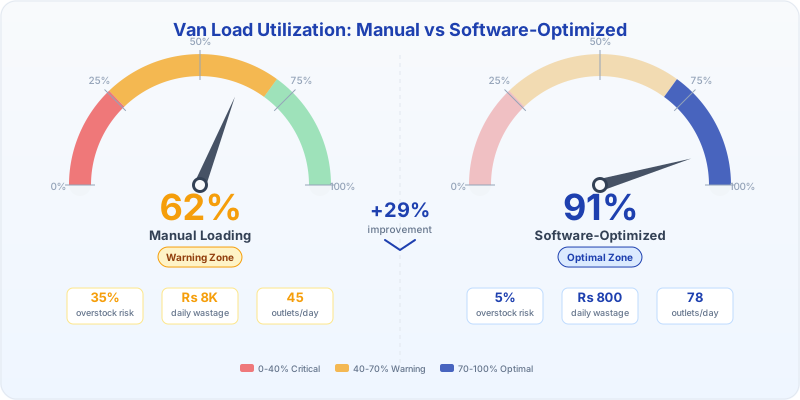
مؤشرات الأداء الرئيسية لمبيعات الشاحنات: قبل البرنامج وبعده
| KPI | مبيعات الشاحنات اليدوية | مع البرنامج | التحسن |
|---|---|---|---|
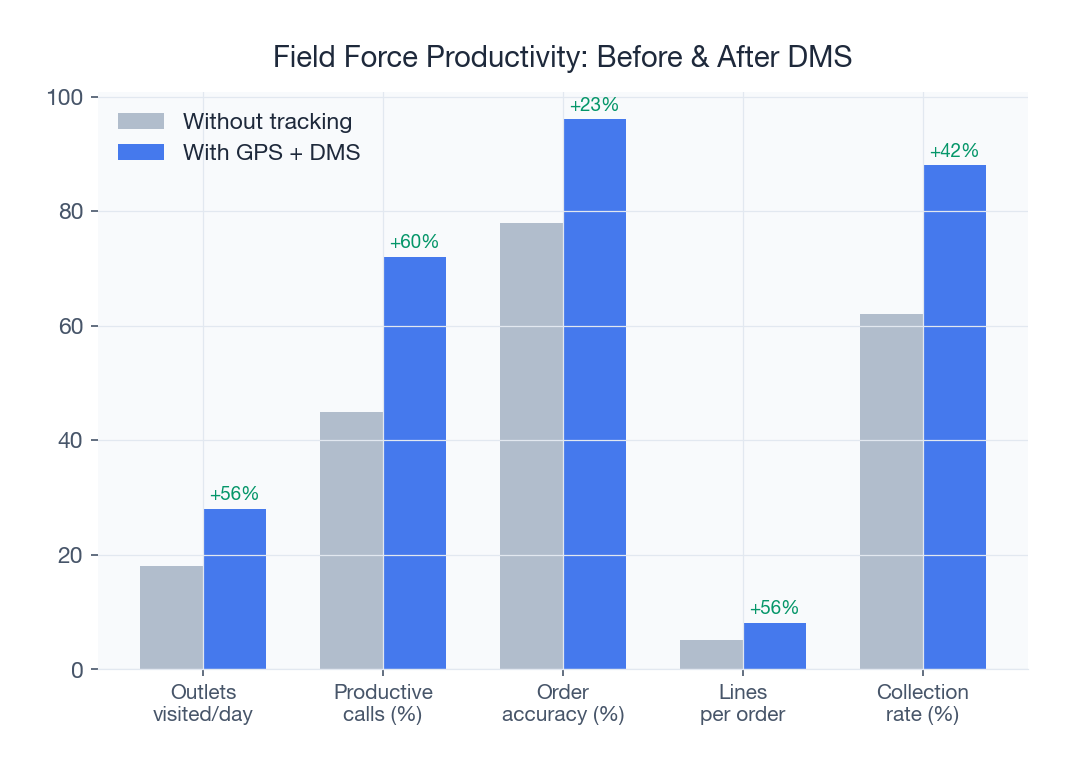
| المنافذ في اليوم | 30-50 | 60-90 | أعلى بنسبة 60-80% |
| وقت الفاتورة لكل منفذ | 8-12 دقيقة | 2-3 دقائق | أسرع بنسبة 75% |
| أخطاء الخطة | 10-15% | 0% | تسرب صفري |
| وقت تسوية النقد | 1-2 ساعة/يوم | 5-10 دقائق | أسرع بنسبة 90% |
| تقلص المخزون | 3-5% | 0.5-1% | أقل بنسبة 80% |
| الالتزام بالمسار | 75-85% | 95-98% | أعلى بـ 15 نقطة |
| استخدام الحمولة | 60-70% | 85-95% | أعلى بنسبة 25-35% |
| الإيرادات اليومية لكل شاحنة | 50K-80K روبية | 80K-1.5L روبية | أعلى بنسبة 40-80% |
إدارة النقد ومنع الاحتيال
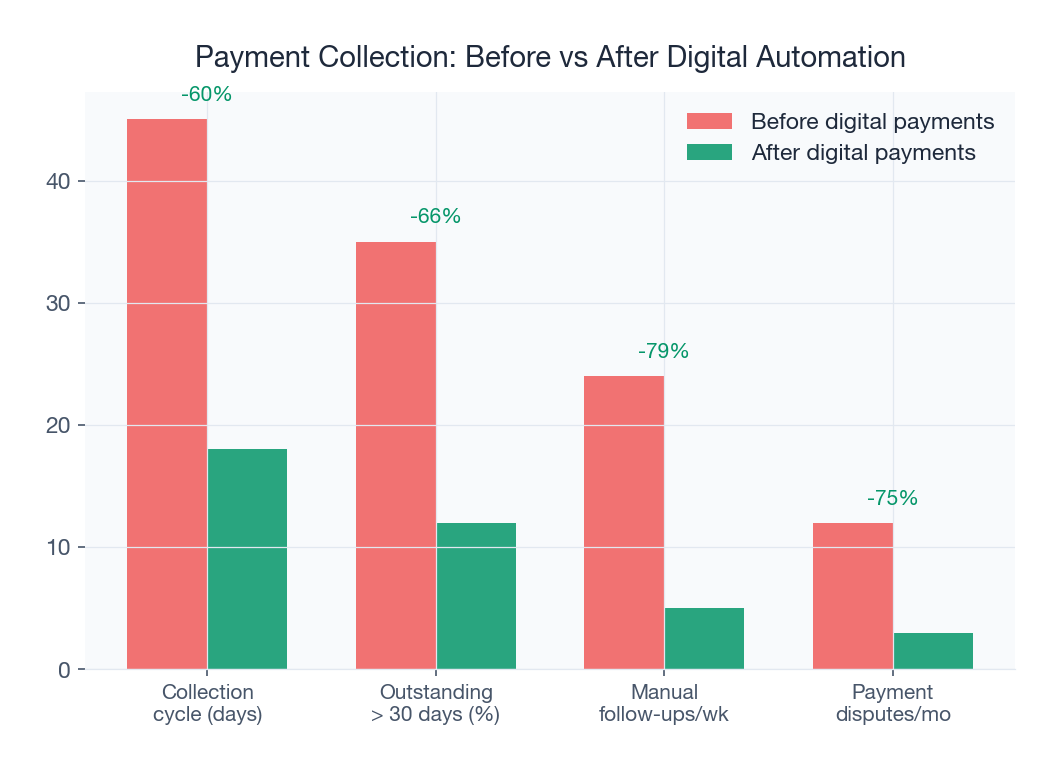
تسرب النقد هو التحدي التشغيلي رقم واحد في مبيعات الشاحنات. عندما يتعامل البائع مع 50,000-2,00,000 روبية في معاملات نقدية يومية عبر 60-80 منفذًا، تكون فرص التسرب هائلة. تشير تقديرات الصناعة إلى أن عمليات مبيعات الشاحنات غير الرقمية تفقد 3-8% من الإيرادات لأشكال مختلفة من الاحتيال والأخطاء المتعلقة بالنقد. لعملية مكونة من 20 شاحنة تُحقق 20 لكح روبية يوميًا، فإن ذلك 60,000-1,60,000 روبية تُفقد كل يوم.
أنواع تسرب النقد في مبيعات الشاحنات
| نوع التسرب | كيف يحدث | كيف يمنعه البرنامج |
|---|---|---|
| القشط | يُحصّل البائع 1,000 روبية ولكنه يُسجل 800 روبية. يضع الفرق في جيبه. | تُقفل الفوترة الرقمية مبلغ الفاتورة. تتجاوز مدفوعات UPI النقد تمامًا. يتحقق GPS من حدوث الزيارة. |
| الخصومات المزيفة | يُعطي البائع خصومات غير مُصرح بها لتجار التجزئة المُفضلين ويُقسم المدخرات. | يتحكم محرك الخطط في جميع الخصومات. لا يُسمح بالتجاوزات اليدوية بدون موافقة المُشرف. |
| الفوترة الناقصة | يُسلّم البائع 10 وحدات ولكنه يُصدر فاتورة بـ 8. تُباع الـ 2 المتبقية خارج الكتب. | يتم قفل المخزون الافتتاحي رقميًا. يجب أن يُساوي المخزون الختامي + المبيعات + المرتجعات المخزون الافتتاحي. تُؤدي عدم التطابق إلى تنبيهات. |
| الزيارات الوهمية | يُسجل البائع زيارة كـ "متجر مُغلق" ولكنه لم يذهب أبدًا. يحتفظ بالوقت لأعماله الشخصية. | زيارات تم التحقق منها بـ GPS مع تسجيلات دخول مُحاطة جغرافيًا. التقاط الصور في كل منفذ. يضمن تتبع الحضور المساءلة. |
| احتيال المرتجعات | يُسجل البائع مرتجعات مزيفة لشرح المخزون المفقود، ثم يبيع المخزون "المُرتجع" لمنافذ خارج الشبكة. | تتطلب المرتجعات أدلة بالصور، وتأكيد تاجر التجزئة، وموافقة المُشرف. يتم تتبع أنماط المرتجعات والإبلاغ عن الشذوذ. |
| تأخير النقد | يُودع البائع نقد الاثنين يوم الأربعاء، ويستخدم العائم لقروض شخصية أو استثمار قصير الأجل. | إغلاق النقد اليومي إلزامي. يتم تتبع الودائع مقابل التحصيل. تُؤدي التأخيرات لأكثر من 24 ساعة إلى التصعيد. |
اعتماد UPI: مُغير قواعد اللعبة
أسرع طريقة لتقليل تسرب النقد هي تقليل النقد نفسه. ارتفع اعتماد UPI بين تجار تجزئة الكيرانا من 15% في عام 2020 إلى أكثر من 65% في عام 2025، وفقًا لـ بيانات NPCI. يُمكّن برنامج مبيعات الشاحنات مع تحصيل UPI المتكامل مدفوعات فورية ومُتحقق منها ومُقاومة للتلاعب. للموزعين في بنغالور و مومباي، يُمثل UPI الآن 40-50% من تحصيلات مبيعات الشاحنات. في أسواق الفئة 3، ينمو بنسبة 25-30% ربعيًا.
يدعم وحدة تحصيل المدفوعات في SpireStock مدفوعات UPI والنقد والائتمان والبطاقات مع التسوية التلقائية عبر جميع الأوضاع.
الفئات التي تستخدم مبيعات الشاحنات
- المشروبات: المياه، المشروبات الغازية، العصائر، مشروبات الطاقة، اللبن الرائب
- البسكويت، الحلويات، الوجبات الخفيفة: الرقائق، النامكين، الشوكولاتة، الحلوى
- العناية الشخصية، العناية بالمنزل، الأطعمة المُعبأة: الشامبو، الصابون، المنظفات، النودلز
- الألبان: الزبادي، الزبدة، الجبن، البانير، الحليب بنكهات
- التبغ، البان ماسالا، والفئات ذات الصلة
- القرطاسية والأدوات المنزلية الصغيرة (في الأسواق شبه الحضرية)
تسعير برنامج مبيعات الشاحنات في الهند
يفرض برنامج إدارة مبيعات الشاحنات عادةً رسومًا لكل شاحنة شهريًا. توقع 500-1,500 روبية لكل شاحنة شهريًا للخطط الأساسية، 1,500-3,000 روبية للخطط المتقدمة مع GPS ومحرك الخطط والتحليلات. تُسعّر خطط المؤسسات مع التكاملات المُخصصة بشكل فردي. راجع صفحة التسعير الخاصة بنا.
التكامل مع DMS و ERP
يجب أن تتكامل وحدات مبيعات الشاحنات مع نظام إدارة التوزيع (DMS) الرئيسي و ERP. تتدفق بيانات المبيعات اليومية إلى المحاسبة، ويتزامن المخزون مع إدارة المستودعات، وتأتي الخطط من محرك الخطط المركزي. تُخلق تطبيقات مبيعات الشاحنات المستقلة بدون تكامل صوامع بيانات وكوابيس تسوية. تتكامل وحدة مبيعات الشاحنات في SpireStock أصلاً مع مجموعة DMS الكاملة، بما في ذلك التحليلات، و إدارة الصناديق، و تحسين المسار.
دراسة حالة: موزع مشروبات في بونه
يُدير موزع مشروبات متوسط الحجم في بونه 12 شاحنة تُغطي 4,800 تاجر تجزئة في جميع أنحاء المدينة. قبل تطبيق برنامج مبيعات الشاحنات، واجهوا تقلصًا نقديًا بنسبة 8-10% شهريًا، وأخطاء حساب خطة بنسبة 25-30%، و 3-4 ساعات يوميًا تُقضى في تسوية نهاية اليوم. بعد نشر وحدة مبيعات الشاحنات في SpireStock:
- انخفض التقلص النقدي إلى أقل من 1%
- وصلت أخطاء الخطة إلى الصفر
- انخفض وقت التسوية إلى 15 دقيقة لكل شاحنة
- زادت المنافذ المُغطاة في اليوم من 45 إلى 78
- تجاوزت الوفورات الشهرية 4.5 لكح روبية
هل تريد نتائج مماثلة لعمليتك؟ تحدث إلى فريقنا.
دراسة حالة: علامة وجبات خفيفة في جميع أنحاء راجستان
تُدير علامة نامكين ووجبات خفيفة إقليمية مقرها جودبور 35 شاحنة تُغطي 6 مقاطعات في جميع أنحاء راجستان: جودبور، وجايبور، وأودايبور، وبيكانير، وكوتا، وأجمر. تشمل مجموعة منتجاتهم أكثر من 120 SKU من البهوجيا، والمخاليط، والرقائق، والحلوى المُعبأة. قبل الرقمنة، كانت تحدياتهم الأساسية:
- حملت كل شاحنة "حمولة قياسية" بغض النظر عن المسار، مما أدى إلى مرتجعات بنسبة 15-20% يوميًا على وحدات SKU بطيئة الحركة
- استغرقت تسوية النقد عبر 35 شاحنة 3 محاسبين مُخصصين يعملون حتى الساعة 10 مساءً كل ليلة
- كان الامتثال للخطة غير متسق: طبق البائعون الخصومات بشكل انتقائي بناءً على علاقات تاجر التجزئة
- لا توجد رؤية حول وحدات SKU التي تُباع في أي مقاطعات، مما يجعل تخطيط الإنتاج تخمينًا
بعد تطبيق منصة مبيعات الشاحنات في SpireStock مع تحسين الحمولة حسب المسار:
- انخفضت المرتجعات من 18% إلى 3.5% من خلال تحميل الشاحنة المُوجّه بالبيانات
- اكتملت تسوية النقد بحلول الساعة 7 مساءً يوميًا مع محاسب واحد يُراجع التقارير التي ينشئها النظام
- وصل الامتثال للخطة إلى 100% حيث طبق محرك الخطط الخصومات تلقائيًا
- مكّنت بيانات أداء SKU حسب المقاطعة الشركة من إطلاق 3 منتجات إقليمية مُحددة حققت 15 لكح روبية/شهرًا في الإيرادات الإضافية
- زادت المبيعات الإجمالية لكل شاحنة بنسبة 28% في الربع الأول
دراسة حالة: موزع للعناية الشخصية في كيرالا (نموذج هجين)
يُدير موزع لمنتجات العناية الشخصية في كوتشي نموذجًا هجينًا لمبيعات الشاحنات والبيع المسبق في جميع أنحاء كيرالا. يُوزعون الصابون والشامبو وزيوت الشعر ومنتجات العناية بالبشرة من 8 علامات تجارية وطنية وإقليمية. عمليتهم:
- مبيعات الشاحنات (18 شاحنة): تُغطي أكثر من 6,000 كيرانا صغيرة في جميع أنحاء كيرالا الريفية، تبيع بشكل أساسي أكياس عالية التردد وعبوات صغيرة. متوسط الطلب: 400-800 روبية.
- البيع المسبق (12 مندوبًا + 6 مركبات توصيل): يخدم أكثر من 400 منفذ تجزئة منظم وكيرانا كبيرة في كوتشي وتريفاندروم وكاليكوت. متوسط الطلب: 3,000-8,000 روبية.
كان التحدي هو تشغيل كلا النموذجين على منصة واحدة. سابقًا، كانت مبيعات الشاحنات تعمل على فوترة ورقية بينما كان البيع المسبق يستخدم تطبيق إدارة طلبات أساسي، مما أدى إلى صومعتي بيانات منفصلتين. بعد الترحيل إلى SpireStock:
- لوحة معلومات موحدة تعرض جميع المنافذ التي يزيد عددها عن 6,400 عبر كلتا القناتين
- يستخدم بائعو الشاحنات تطبيق الجوال للفوترة الفورية في واجهة المالايالامية
- يستخدم مندوبو البيع المسبق نفس التطبيق لحجز الطلبات، مع توجيه التنفيذ إلى مركبات التوصيل
- كشفت التحليلات المُجمّعة أن أكثر من 200 منفذ كانت تُزار مرتين من قبل فرق الشاحنات والبيع المسبق، مما وفّر 2.5 لكح روبية/شهرًا في الزيارات الزائدة
- زادت التغطية الإجمالية بنسبة 22% حيث حرّرت المسارات المُحسّنة السعة لاكتساب منافذ جديدة
توسيع نطاق عمليات مبيعات الشاحنات
التعقيد التشغيلي لمبيعات الشاحنات لا يتوسع خطيًا. الانتقال من 5 شاحنات إلى 50 شاحنة ليس 10 أضعاف نفس المشكلة؛ إنه تحدٍ تشغيلي مختلف جوهريًا. فهم ما يتغير في كل نطاق أمر بالغ الأهمية للموزعين الذين يُخططون للنمو.
5-10 شاحنات: مرحلة الإدارة من قبل المؤسس
في هذا النطاق، يعرف الموزع أو المالك شخصيًا كل بائع، وكل تاجر تجزئة رئيسي، وكل مسار. يتم تخطيط الحمولة في اجتماع صباحي. يُحصى النقد من قبل المالك في الليل. تُحل المشاكل بمكالمة هاتفية. يُحل البرنامج في هذه المرحلة الورق بشكل أساسي: الفوترة الرقمية، تتبع GPS الأساسي، وتسوية المخزون البسيطة. العائد على الاستثمار فوري ولكن متواضع (50,000-1 لكح روبية/شهرًا في الوفورات).
10-25 شاحنة: طبقة المُشرفين
لم يعد المالك قادرًا على إدارة كل شاحنة شخصيًا. هناك حاجة إلى مُشرفي مناطق، عادةً مُشرف واحد لكل 8-10 شاحنات. في هذه المرحلة، تكون ميزات البرنامج الحاسمة: لوحات معلومات المُشرفين، والإدارة القائمة على الاستثناءات (الإبلاغ فقط عن الشاحنات التي بها مشاكل)، والامتثال الآلي للخطة، وتسوية النقد متعددة الشاحنات. بدون برنامج، تُضيف إضافة المُشرفين تكلفة فقط دون تحكم متناسب.
25-100 شاحنة: المرحلة المُوجّهة بالأنظمة
في هذا النطاق، يجب أن تعمل العملية على الأنظمة، وليس على الناس. تشمل المتطلبات الرئيسية: تحسين الحمولة الآلي (لا يمكن لأي مُشرف تخطيط الحمولات يدويًا لأكثر من 50 شاحنة)، ولوحات معلومات في الوقت الفعلي لرئيس العمليات، وترتيب أداء البائعين، وتحليل الربحية على مستوى SKU، والتكامل مع ERP للمحاسبة الآلية. عادةً ما تصل العلامات التجارية مثل لاعبي FMCG الإقليميين إلى هذا النطاق عبر 2-3 ولايات.
100-500+ شاحنة: نطاق المؤسسة
في هذا النطاق، الذي تُديره العلامات التجارية الوطنية مثل Parle و Britannia و Haldiram's، تتحول المتطلبات إلى: تنسيق متعدد المستودعات، وقياس الأداء حسب الموزع، والتنبؤ بالطلب على مستوى المنطقة، وإعادة التوزيع الآلي للمسارات بناءً على دوران البائعين، والتكامل مع أنظمة تتبع المبيعات الثانوية. وفقًا لتقديرات الصناعة، تُدير Parle وحدها أكثر من 1,500 شاحنة في جميع أنحاء الهند من خلال شبكة موزعيها. تُغطي شبكة توزيع ITC أكثر من 6 ملايين منفذ بمزيج من مبيعات الشاحنات والبيع المسبق، مما يتطلب تقنية إدارة الموزعين على مستوى المؤسسة.
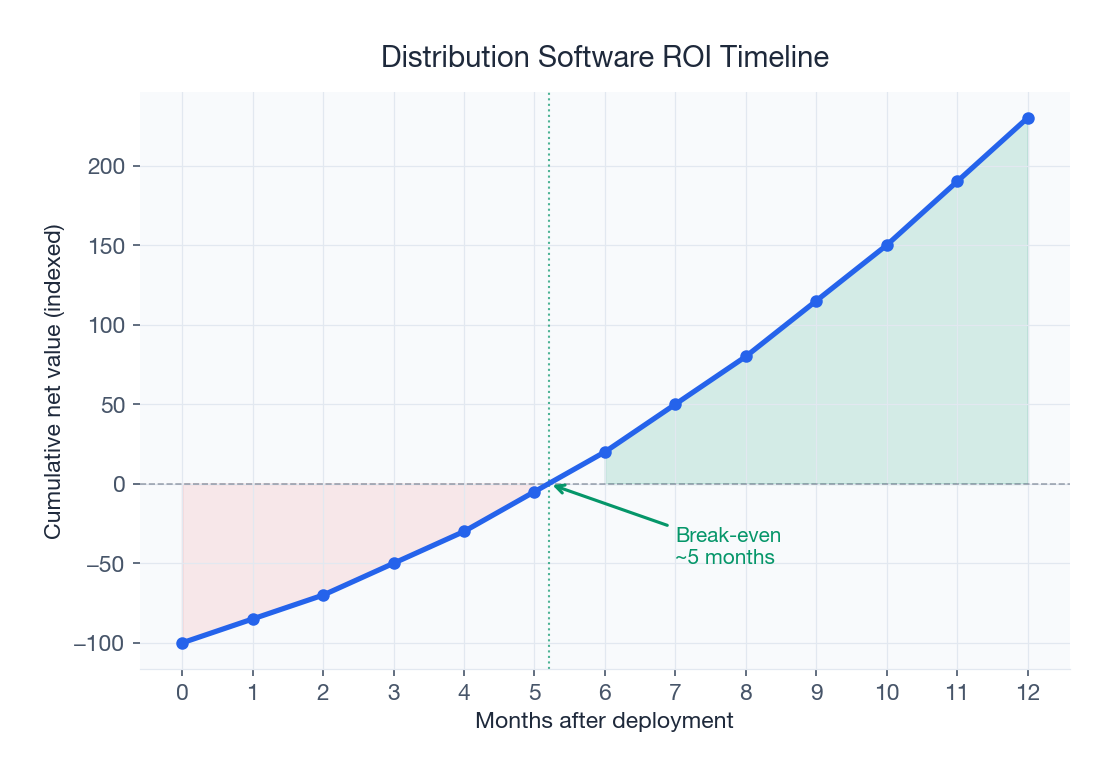
التدريب وإدارة التغيير لفرق مبيعات الشاحنات
أكبر خطر في نشر برنامج مبيعات الشاحنات ليس التكنولوجيا؛ إنه التبني. يكون بائعو الشاحنات في الهند عادةً من حاملي شهادة الصف 10 أو 12، وأعمارهم 22-45، مرتاحون مع WhatsApp و YouTube على هواتفهم الشخصية ولكنهم يُقاومون "تطبيقات الشركة" التي يعتبرونها أدوات مراقبة. يتطلب النشر الناجح إدارة تغيير مدروسة.
تحدي التبني
أنماط المقاومة الشائعة من فرق مبيعات الشاحنات:
- "هذا التطبيق سيتسبب في فصلي": يخشى البائعون أن يكشف تتبع GPS والتسوية الرقمية عن أوجه القصور التي كانوا يُخفونها. عالج ذلك من خلال وضع التطبيق كأداة تساعدهم على كسب المزيد (مكافآت الإنتاجية) بدلاً من أداة تُراقبهم.
- "لا يمكنني الكتابة بالإنجليزية": العديد من بائعي الشاحنات غير مرتاحين مع الواجهات الإنجليزية. يدعم تطبيق SpireStock للجوال واجهات بالهندية والتاميلية والتيلوغوية والماراثية والكانادية والمالايالامية والغوجاراتية. واجهة المستخدم المحلية غير قابلة للتفاوض للتبني.
- "هاتفي بطيء جدًا": يجب أن يعمل التطبيق بسلاسة على هواتف Android بقيمة 8,000 روبية مع 3-4 GB RAM. ستفشل التطبيقات المُصممة للهواتف الرائدة في الميدان. تحسين الأداء لأجهزة الميزانية هو متطلب أساسي.
- "يستغرق وقتًا طويلاً في كل متجر": إذا كانت العملية الرقمية أبطأ من العملية الورقية، فسيُقاوم البائعون. يجب أن يجعل التطبيق الفوترة أسرع من الورق (الهدف: أقل من دقيقتين لكل منفذ مقابل 8-12 دقيقة مع الورق).
أفضل ممارسات التدريب
- التدريب في دفعات من 5-8: تسمح المجموعات الصغيرة بالممارسة العملية. يجب على كل بائع إكمال 10 معاملات تجريبية قبل البدء.
- فترة الظل: في الأيام الثلاثة الأولى، يركب مُدرب مع كل شاحنة. يقوم البائع بالفوترة الورقية بالتوازي مع فوترة التطبيق. بحلول اليوم الثالث، يرى البائع أن التطبيق أسرع وأكثر دقة.
- التحفيز: تُدفع لوحات المتصدرين التي تُظهر "المنافذ التي تمت زيارتها اليوم"، و"أسرع وقت فوترة"، و"الأيام الخالية من الأخطاء" التبني التنافسي. تُسرّع الجوائز الأسبوعية (إعادة شحن هاتف بـ 500-1,000 روبية) لأفضل المؤدين الانخراط.
- دروس الفيديو باللغة المحلية: مقاطع فيديو مدتها دقيقتان متوافقة مع WhatsApp تُغطي كل وظيفة من وظائف التطبيق. يُشاهد البائعون هذه بشكل متكرر ويُشاركونها مع الأقران.
- نظام الرفيق: أقرن بائعًا مرتاحًا تقنيًا مع بائع مُقاوم. التدريب من الأقران أكثر فعالية من التعليمات من أعلى إلى أسفل.
مقاييس النجاح للتبني
| المقياس | الهدف | الجدول الزمني النموذجي |
|---|---|---|
| الوقت إلى الكفاءة الأساسية | 3-5 أيام | الأسبوع 1 |
| الوقت إلى الكفاءة الكاملة | 2-3 أسابيع | الشهر 1 |
| معدل أخطاء الفوترة (بعد التدريب) | أقل من 2% | الشهر 1 |
| معدل أخطاء الفوترة (الحالة المستقرة) | أقل من 0.5% | الشهر 3 |
| الامتثال لاستخدام التطبيق | أكثر من 95% من المعاملات على التطبيق | الشهر 2 |
| الاحتفاظ بالبائعين (بعد النشر) | أكثر من 90% (مقابل 85% قبل النشر) | الشهر 6 |
الاكتشاف المُضاد للحدس: يتحسن الاحتفاظ بالبائعين فعليًا بعد نشر البرنامج. ينتهي البائعون الذين يُقاومون التطبيق في البداية إلى تفضيله لأنه يُقلل من عبئهم الإداري (لا مزيد من عدّ النقد يدويًا، لا مزيد من حجج حساب الخطة مع تجار التجزئة، لا مزيد من إجهاد تسوية نهاية اليوم).
مبيعات الشاحنات في القنوات الناشئة
يتطور نموذج مبيعات الشاحنات، الذي يُرتبط تقليديًا بتوزيع الكيرانا، بسرعة مع ظهور قنوات تجزئة جديدة في الهند. يُكيف الموزعون التطلعيون مبيعات الشاحنات للتجارة الحديثة، و HoReCa، والميل الأخير للتجارة الإلكترونية، وأخذ عينات D2C.
إعادة تخزين التجارة الحديثة
بينما تستخدم سلاسل التجارة الحديثة (DMart، Reliance Retail، Spencer's) بشكل أساسي اللوجستيات من المستودع إلى المتجر، تعتمد منافذ التجارة الحديثة الأصغر والسلاسل الإقليمية بشكل متزايد على إعادة التخزين القائم على الشاحنات للفئات سريعة الحركة. قد يستخدم موزع المشروبات الشاحنات لإعادة تخزين 50-60 سوبر ماركت صغيرًا يوميًا بالماء والعصائر والمشروبات الغازية، مُكملًا التسليمات الأسبوعية المُخططة من المستودع.
HoReCa (الفنادق، المطاعم، المقاهي)
تنمو قناة HoReCa في الهند بنسبة 15-20% سنويًا، وفقًا لتقديرات NASSCOM و RedSeer. تحتاج المطاعم والمقاهي إلى تسليمات يومية للمشروبات والصلصات ومنتجات الألبان وإمدادات التنظيف. مبيعات الشاحنات مثالية لهذه القناة لأن الطلبات صغيرة ومتكررة وحساسة للوقت. لا يمكن لمقهى نفد منه الحليب في الساعة 10 صباحًا الانتظار حتى التسليم في اليوم التالي. يتنامى توزيع HoReCa القائم على الشاحنات بسرعة في بنغالور و مومباي و دلهي.
إعادة تخزين التجارة السريعة
تُدير شركات التجارة السريعة (Blinkit، Zepto، Swiggy Instamart) متاجر مُظلمة تحتاج إلى إعادة تخزين متكررة لوحدات SKU سريعة الحركة. يستخدم العديد من موزعي FMCG الآن الشاحنات لإعادة تخزين المتاجر المُظلمة 2-3 مرات يوميًا، خاصة للمشروبات والوجبات الخفيفة. هذه في الأساس عملية مبيعات شاحنات B2B حيث "تاجر التجزئة" هو متجر مُظلم. متطلبات برنامج مبيعات الشاحنات متشابهة ولكن مع إلحاح أكبر ونوافذ تسليم أكثر إحكامًا.
علامات D2C وأخذ العينات
تستخدم العلامات التجارية المباشرة للمستهلك التي تدخل التوزيع غير المتصل بالإنترنت الشاحنات لزرع السوق وأخذ العينات. قد تنشر علامة مشروبات صحية جديدة 5-10 شاحنات في جميع أنحاء مدينة لمدة 3-6 أشهر، لزيارة الكيرانا لوضع المخزون الأولي، وتقديم العينات، وبناء علاقات تاجر التجزئة. يتتبع برنامج مبيعات الشاحنات ليس فقط المبيعات ولكن أيضًا كمية أخذ العينات، وردود فعل تجار التجزئة، ومعدلات إعادة الطلب، البيانات التي تستخدمها علامات D2C لتقرير الأسواق التي يجب توسيع نطاقها.
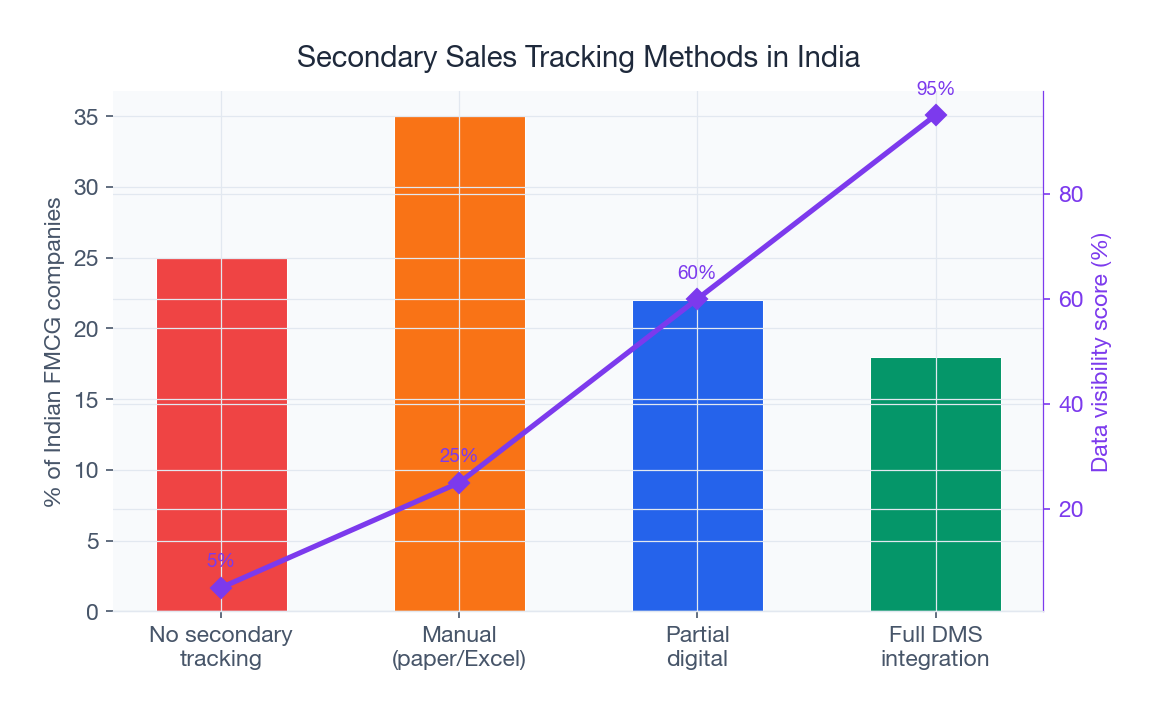
اختيار برنامج مبيعات الشاحنات المناسب
- عدم الاتصال أولاً: يجب أن يعمل بدون اتصال. اختبر بوضع الهاتف في وضع الطائرة وإكمال دورة مبيعات كاملة.
- سريع على هواتف الميزانية: يستخدم البائعون لديك أجهزة Android بقيمة 8,000-12,000 روبية، وليس iPhones. يجب أن يُحمل التطبيق في أقل من 3 ثوانٍ ولا يتعطل أبدًا على أجهزة 3-4 GB RAM.
- واجهة المستخدم المحلية: الهندية، الماراثية، التاميلية، التيلوغوية، الكانادية، المالايالامية كحد أدنى. يجب ألا يحتاج البائع أبدًا إلى قراءة الإنجليزية لإكمال معاملة.
- دعم الطابعة الحرارية: لطباعة الفواتير عند منضدات تاجر التجزئة. يجب دعم طابعات Bluetooth بحجم 58mm و 80mm.
- تكامل UPI: لالتقاط الدفع الفوري مع التسوية التلقائية.
- تسوية مخزون قوية: أكبر مصدر للتسرب. يجب على النظام فرض المخزون الافتتاحي = المخزون الختامي + المبيعات + المرتجعات مع عدم التسامح مع الفجوات غير المُفسّرة.
- DMS مُتكامل: تطبيقات مبيعات الشاحنات المستقلة تُخلق صوامع بيانات. اختر منصة تُدمج مبيعات الشاحنات مع نظام إدارة التوزيع الكامل.
- قابلية التوسع: هل يمكن للمنصة التعامل مع نموك من 10 شاحنات إلى 100؟ تحقق من دعم متعدد المستودعات، وتسلسل المُشرفين، وإعداد تقارير المؤسسة.
رقمنة مبيعات شاحناتك مع SpireStock. موثوق به من قبل علامات المشروبات والبسكويت والوجبات الخفيفة و FMCG في جميع أنحاء الهند. سواء كنت تُدير 5 شاحنات أو 500، تتوسع منصتنا معك. احجز عرضًا توضيحيًا لرؤية وحدة مبيعات الشاحنات في العمل.
مستقبل مبيعات الشاحنات
تجمع التطور التالي لمبيعات الشاحنات بين تحسين الحمولة المُدفوع بـ AI، وعدّ المخزون بالرؤية الحاسوبية، وإعادة الطلب التنبؤية. ستصبح الشاحنات منافذ بيع متنقلة ذكية، وتُحسّن مساراتها وحمولاتها في الوقت الفعلي. تشمل التقنيات الناشئة:
- التنبؤ بالطلب المدعوم بـ AI: يمكن لنماذج التعلم الآلي المُدربة على 2-3 سنوات من بيانات مبيعات الشاحنات التنبؤ بالطلب على مستوى المنفذ بدقة 85-90%، مقارنة بدقة 60-65% مع التقدير اليدوي.
- الرؤية الحاسوبية لتدقيق الرفوف: يلتقط البائع صورة لرف تاجر التجزئة؛ يُحدد AI المنتجات التي نفدت من المخزون، ومنتجات المنافسين الموجودة، وحصة الرف التي تحتلها العلامة التجارية.
- تحسين المسار الديناميكي: تُعدّل بيانات حركة المرور في الوقت الفعلي، وإشارات توفر تاجر التجزئة، والتوجيه القائم على الأولوية مسار الشاحنة خلال اليوم، وليس فقط في البداية.
- إدخال البيانات الصوتي: للبائعين غير المرتاحين مع الكتابة، تُمكّن الأوامر الصوتية باللغات المحلية الفوترة بدون استخدام اليدين والتقاط الطلبات.
- سلسلة التبريد المُمكنة بـ IoT: لشاحنات منتجات الألبان و المشروبات، تُوفر أجهزة استشعار درجة الحرارة مراقبة مستمرة لسلسلة التبريد مع تنبيهات تلقائية للانتهاكات.
ستكون العلامات التجارية التي تتبنى برنامج مبيعات الشاحنات الحديث اليوم جاهزة لهذا المستقبل المدعوم بـ AI. تُصبح البيانات التي يتم جمعها اليوم، وأنماط المبيعات على مستوى المنفذ، ومقاييس كفاءة المسار، وبيانات إنتاجية البائعين، بيانات التدريب لتحسين AI الغد.
الخاتمة
مبيعات الشاحنات هي حجر الزاوية لتوزيع FMCG الهندي، والنموذج لن يختفي. إذا كان هناك أي شيء، فإنه ينمو حيث تدفع العلامات التجارية بعمق أكبر إلى أسواق الفئة 3 والفئة 4، حيث تُخلق التجارة السريعة طلبًا جديدًا لإعادة التخزين B2B، وحيث تتوسع قناة HoReCa. رقمنة مبيعات الشاحنات ببرنامج مُصمم خصيصًا يُقضي على تسرب النقد (مما يُوفر 3-8% من الإيرادات)، وأخطاء الخطة (مما يُوفر 5-15% من ميزانيات الترويج التجاري)، وألم التسوية (مما يُوفر 1-2 ساعة لكل شاحنة يوميًا) مع تعزيز إنتاجية البائعين بنسبة 60-80%.
سواء كنت موزعًا يُدير 5 شاحنات في مدينة واحدة أو علامة تجارية تُدير أكثر من 500 شاحنة عبر ولايات متعددة، فإن الأساسيات هي نفسها: تحميل المنتجات الصحيحة، والتوجيه بكفاءة، والبيع والفوترة رقميًا، وتحصيل المدفوعات بشفافية، والتسوية تلقائيًا. يجعل برنامج إدارة مبيعات الشاحنات المناسب كل هذا ممكنًا من اليوم الأول.
استكشف حلول إنتاجية المبيعات، و ميزات تتبع التوزيع، و منصة إدارة الأسطول، أو اقرأ دليل برنامج التوزيع الشامل لمزيد من المعلومات. هل أنت مستعد لتحويل عمليات مبيعات شاحناتك؟ تواصل مع SpireStock أو قم بزيارة صفحة التسعير الخاصة بنا للبدء.
المصادر والمراجع
الأسئلة المتكررة
برنامج إدارة مبيعات الشاحنات هو منصة مُصممة لإدارة عمليات مبيعات FMCG المتنقلة. يتعامل مع تخطيط حمولة الشاحنة، والفوترة في الموقع، وتحصيل المدفوعات، وتطبيق الخطة، وتتبع GPS، وتسوية المخزون في نهاية اليوم، كل ذلك عبر تطبيق جوال يستخدمه البائع.
في مبيعات الشاحنات، يبيع البائع من مخزون المركبة في الموقع، يطلب تاجر التجزئة، يُسلّم البائع، تُصدر الفاتورة، تُحصّل الدفعة، كل ذلك في زيارة واحدة. في البيع المسبق، تُحجز الطلبات للتنفيذ لاحقًا بواسطة مركبة توصيل منفصلة. مبيعات الشاحنات شائعة في FMCG منخفض التذكرة؛ البيع المسبق شائع في التجزئة المنظمة.
نعم. تُقدم أفضل منصات مبيعات الشاحنات وظائف كاملة بدون اتصال. يمكن للبائع التقاط الطلبات وإصدار الفواتير وتطبيق الخطط وتحصيل المدفوعات حتى بدون اتصال. تتزامن البيانات تلقائيًا عند عودة الاتصال.
يُكلف برنامج مبيعات الشاحنات عادةً 500-3,000 روبية لكل شاحنة شهريًا اعتمادًا على الميزات. تبدأ الخطط الأساسية من 500-1,500 روبية؛ تتراوح الخطط المتقدمة مع GPS ومحرك الخطط والتحليلات من 1,500-3,000 روبية. تسعير المؤسسة مُخصص.
نعم. في نهاية اليوم، يُسوي النظام المخزون الافتتاحي والمبيعات والمرتجعات والمخزون المتبقي والنقد المُحصّل. تُبلغ التناقضات تلقائيًا، مما يُلغي التسوية اليدوية ويُقلل تقلص النقد بأكثر من 80%.
تُستخدم مبيعات الشاحنات على نطاق واسع في المشروبات، والبسكويت، والحلويات، والوجبات الخفيفة، والعناية الشخصية، والألبان (الزبادي/الزبدة)، والتبغ، والأطعمة المُعبأة، خاصة في الأسواق الهندية من الفئتين 2 و 3 حيث تكون أحجام طلبات تاجر التجزئة صغيرة ويُفضّل التسليم الفوري.
ميزات SpireStock ذات الصلة
صناعات ذات صلة
حلول ذات صلة
كيانات ذات صلة
هل أنت مستعد لتبسيط عملية التوزيع؟
ابدأ تجربتك المجانية لمدة 14 يوماً واكتشف كيف يمكن لـ SpireStock تحويل عملية توزيع الألبان أو السلع الاستهلاكية الخاصة بك، من استلام الطلبات إلى استرداد الصناديق.

SpireStock Team
خبراء تكنولوجيا التوزيع
يكتب SpireStock Team لصالح SpireStock حول إدارة التوزيع وتحسين سلسلة التوريد والعمليات الميدانية لعلامات الألبان وFMCG الهندية.