لماذا تحتاج العلامات التجارية الهندية إلى برامج إدارة التوزيع في 2026
لم يكن مشهد توزيع السلع الاستهلاكية في الهند أكثر تعقيدًا من أي وقت مضى. مع 12 مليون متجر كيرانا، وأكثر من 8,000 منفذ بيع بالتجزئة منظم، والتحول السريع نحو البيع متعدد القنوات، فإن النموذج التقليدي للمكالمات الهاتفية والفواتير الورقية وجداول بيانات Excel ينهار تحت وطأة ثقله. لم يعد نظام إدارة التوزيع (DMS) مجرد شيء جميل أن يكون لديك. إنه العمود الفقري التشغيلي الذي يحدد ما إذا كانت العلامة التجارية يمكنها التوسع بربحية أو حرق الأموال على عدم الكفاءة.
نضج سوق DMS الهندي بشكل كبير. حيث كان هناك في السابق لاعبان أو ثلاثة موثوقون فقط، يقدم عام 2026 نظامًا بيئيًا صحيًا من المنصات تتراوح من مجموعات على مستوى المؤسسات إلى أدوات اقتصادية بسيطة للموزعين الصغار. لكن هذا الاختيار يخلق التباسًا. يدعي كل بائع أنه "الأفضل". تُبرز صفحات التسويق الميزات؛ وتُدفن القيود في الحواشي.
يقطع هذا الدليل الضوضاء. قمنا بتقييم 10 منصات DMS الأكثر اعتمادًا على نطاق واسع في الهند عبر مجموعة متسقة من المعايير، واختبرنا تطبيقات الهاتف المحمول الخاصة بها وراجعنا هياكل الأسعار. سواء كنت تدير مسار توزيع ألبان واحدًا أو تشرف على شبكة توزيع FMCG وطنية، ستساعدك هذه المقارنة في اتخاذ قرار مستنير.
كيف قيّمنا هذه المنصات
لضمان مقارنة عادلة، قمنا بتقييم كل منصة عبر سبعة أبعاد. يحمل كل بُعد وزنًا متساويًا في توصيتنا النهائية، لأن DMS "الأفضل" يعتمد على سياق عملك المحدد، وليس على درجة إجمالية واحدة.
1. عمق الميزات
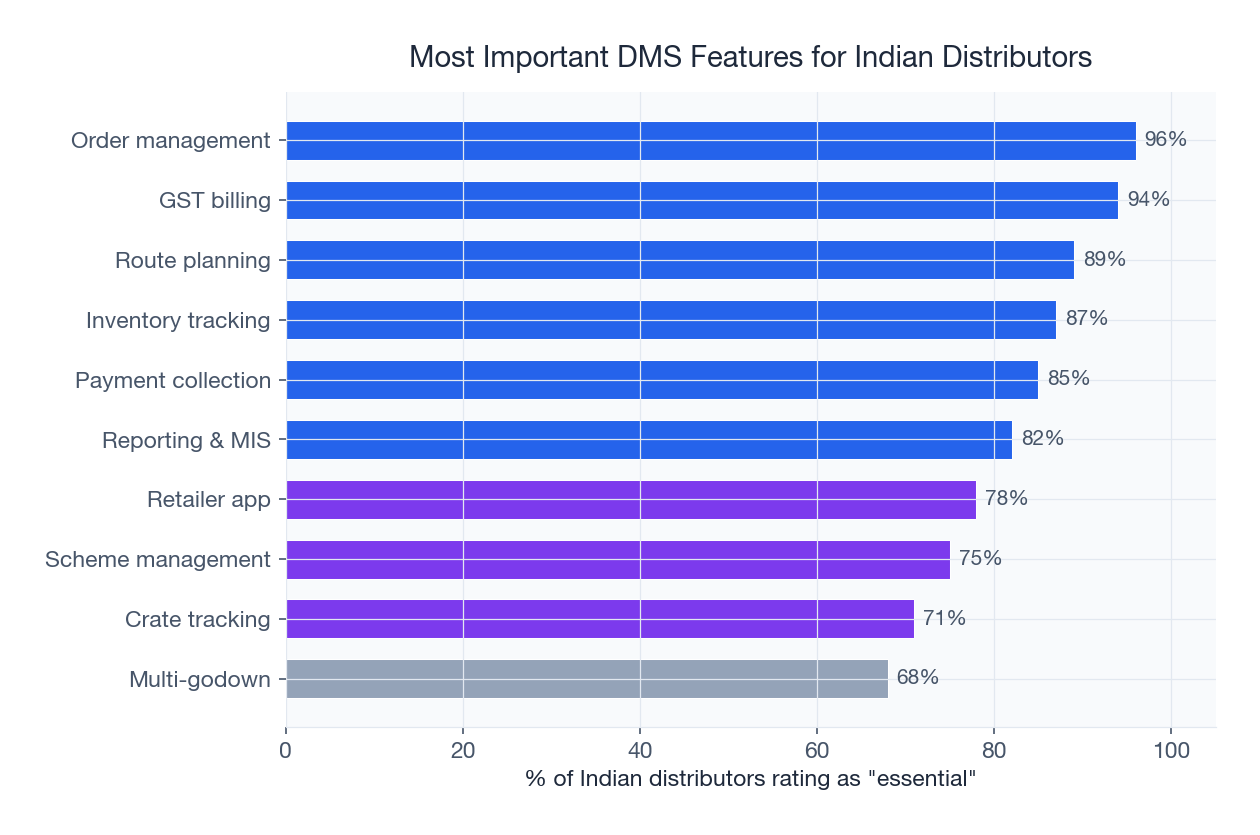
قمنا بتقييم 12 قدرة أساسية: إدارة الطلبات، ومحرك المخططات، والفوترة المتوافقة مع GST، وتحسين المسارات، وتتبع الصناديق والأصول القابلة للإرجاع، وتحليلات المبيعات، وجودة تطبيق الجوال، ووضع العمل دون اتصال، وجاهزية API/التكامل، والدعم متعدد اللغات، وإدارة القوة الميدانية، والتنبؤ بالطلب.
2. شفافية الأسعار
نظرنا في الأسعار العامة، والتكاليف الخفية (التنفيذ، إضافات لكل مستخدم، رسوم ترحيل البيانات) والتكلفة الإجمالية للملكية على مدى 3 سنوات. شركات التوزيع الهندية حساسة للسعر، وقد لا تكون المنصة التي تكلف ضعفين ولكن تقدم قيمة 1.5x هي الخيار الصحيح لعمل ينمو.
3. الجاهزية الهندية
هل تفهم المنصة فروق التوزيع الهندي؟ GST مع رموز HSN، وأرقام GSTIN متعددة، ومخططات بقواعد أهلية معقدة، وإدارة الصناديق للسلع القابلة للتلف، وتخطيط المسارات لطرق تضم 40-80 منفذًا، ودورات تحصيل نقدية كثيفة. قد تبدو المنصة المبنية للأسواق العالمية مصقولة لكنها تفتقد هذه التفاصيل الحرجة.
4. قابلية التوسع
هل يمكن للمنصة التعامل مع النمو من 5 موزعين إلى 500؟ هل الأسعار تتوسع خطيًا (سيء) أم بشكل أقل من خطي (جيد)؟ كيف يتم الأداء عند 10,000+ معاملة يومية؟
5. الدعم والتأهيل
فرق التوزيع الهندية ليست دائمًا بارعة في التكنولوجيا. تهم جودة التأهيل وموارد التدريب وأوقات الاستجابة لتذاكر الدعم.
6. جودة تطبيق الجوال
يحدث التنفيذ الميداني على الهواتف الذكية، غالبًا في مناطق ذات اتصال متقطع. اختبرنا تطبيق الجوال لكل منصة من حيث الاستجابة، وقدرة العمل دون اتصال، وسهولة الاستخدام.
7. النظام البيئي للتكامل
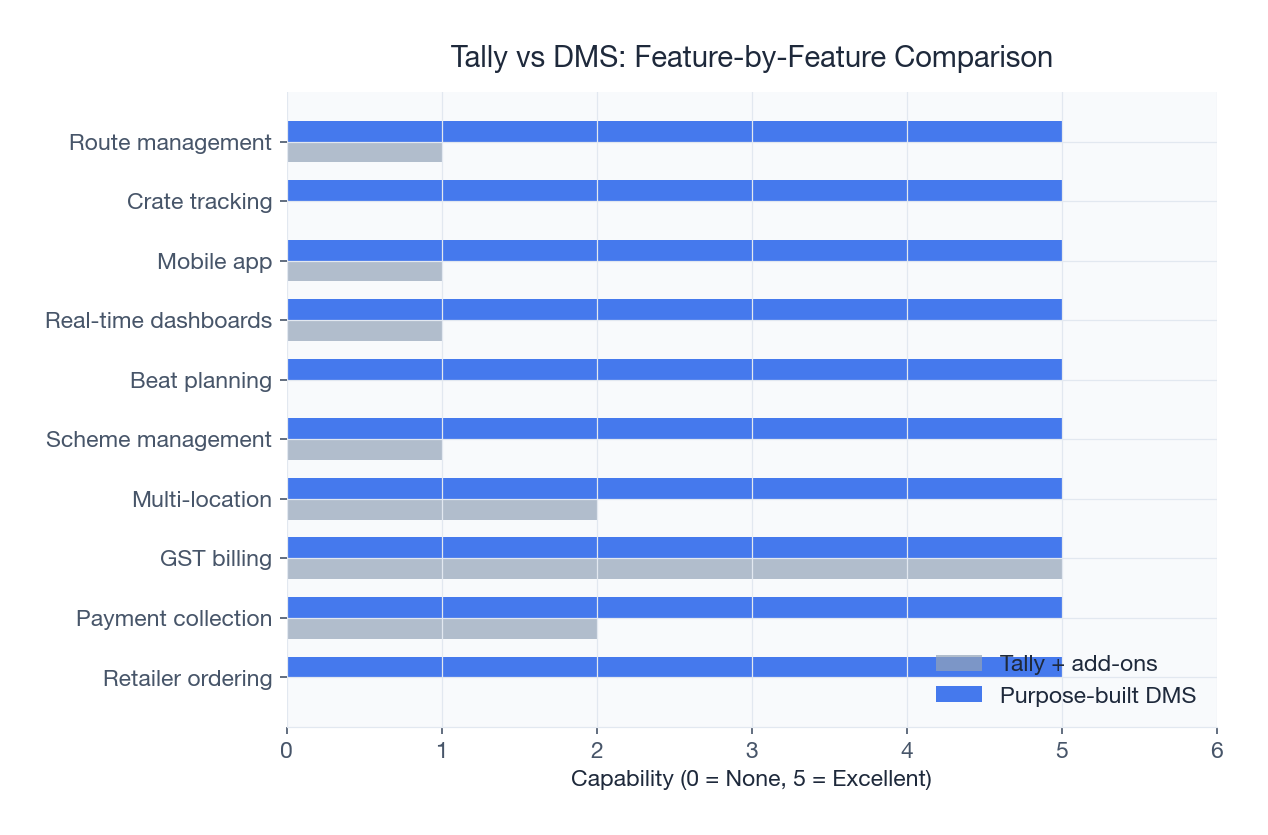
تستخدم معظم شركات التوزيع بالفعل Tally أو SAP للمحاسبة. قمنا بتقييم قدرات API لكل منصة والموصلات المسبقة الصنع.
أفضل 10 منصات DMS في الهند (2026)
أدناه، نقدم نبذة عن كل منصة بتقييم صادق لما تفعله جيدًا، وأين تقصر، ومن هي الأنسب له. تم سرد المنصات بالترتيب الذي نعتقد أنه يمثل القوة الإجمالية للسوق الهندي، لكن الخيار المناسب لعملك يعتمد على فئتك ونطاقك وميزانيتك المحددة.
1. SpireStock
نظرة عامة: SpireStock هي منصة إدارة توزيع مبنية لغرض محدد لتوزيع الألبان وFMCG في الهند. مبنية من الألف إلى الياء لتوزيع السلع القابلة للتلف، فإنها تتعامل مع تتبع الصناديق، والوعي بسلسلة التبريد، والإرسال متعدد المصانع، وتنفيذ المخططات المعقدة بشكل أصلي.
نقاط القوة الرئيسية:
- إدارة الصناديق والأصول القابلة للإرجاع: يتتبع نظام إدارة الصناديق من SpireStock كل حاوية عبر رموز QR في جميع أنحاء سلسلة التوريد. يبلغ الموزعون الذين يستخدمون هذه الميزة عن انخفاض بنسبة 60-80٪ في خسائر الصناديق، وهو مقياس لا يمكن لأي منصة أخرى في هذه القائمة أن تضاهيه بشكل أصلي.
- محرك المخططات: يدعم محرك المخططات المدمج مخططات التجارة، ومخططات المستهلك، والخصومات على أساس الشرائح، والعروض متعددة الشراء مع حساب الأهلية التلقائي والتسوية في الوقت الفعلي. بالنسبة لعلامات الألبان التي تدير 15-25 مخططًا متزامنًا، يلغي هذا الأخطاء اليدوية التي تكلف لكوحًا شهريًا.
- التوزيع متعدد المصانع: تعمل علامات الألبان والمشروبات عادة من مصانع إنتاج متعددة، لكل منها مجموعات منتجات مختلفة وأسعار وجداول إرسال. تتعامل SpireStock مع تقسيم الطلبات متعدد المصانع، والفوترة الموحدة، والتحليلات على مستوى المصنع بشكل أصلي.
- تحسين المسارات: يأخذ محرك المسارات من SpireStock في الاعتبار نوافذ التسليم، وسعة المركبات، وأنماط حركة المرور، وأولوية تجار التجزئة لتقليل تكاليف التسليم لكل توقف بنسبة 25-35٪.
- نموذج SaaS بأسعار معقولة: يتم تقديمه عبر السحابة دون رسوم ترخيص مقدمة، مما يجعله في متناول الموزعين الذين ينمون. انظر أسعار SpireStock.
- تطبيق جوال قادر على العمل دون اتصال: يعمل التطبيق الميداني بشكل كامل دون اتصال ويتزامن تلقائيًا عند استئناف الاتصال، وهو أمر بالغ الأهمية للمسارات شبه الحضرية والريفية.
الأفضل لـ: علامات الألبان، وموزعي السلع القابلة للتلف، وشركات FMCG متوسطة الحجم التي تحتاج إلى تتبع الصناديق، ودعم متعدد المصانع، وأتمتة المخططات دون أسعار من مستوى المؤسسات.
نطاق الأسعار: خطط المبتدئين من حوالي 4,000 روبية/شهر؛ خطط الموزعين من 12,000 روبية/شهر؛ أسعار المؤسسات بناءً على الحجم والمستخدمين. تفاصيل الأسعار الكاملة هنا.
القيود: SpireStock ليست منصة محاسبة كاملة. تتعامل مع الفوترة المتوافقة مع GST بشكل أصلي ولكنها تتكامل مع Tally أو أدوات مماثلة لمسك الدفاتر المالية والإقرارات الضريبية. قد تجد العلامات التجارية التي لديها 500+ شبكة موزعين أن SpireStock لا تزال تبني محفظتها المرجعية للمؤسسات الكبرى مقارنة بـ Bizom أو Botree، على الرغم من أن تقنيتها على قدم المساواة أو متقدمة في العديد من المجالات.
2. Bizom
نظرة عامة: Bizom (من Mobisy Technologies) هي رائدة السوق في مجال DMS في الهند من حيث اعتماد المؤسسات، مع 550+ مؤسسة و7.5 مليون منفذ بيع بالتجزئة على منصتها. بدأت كأداة استخبارات تجزئة وتطورت إلى مجموعة توزيع شاملة. إذا كنت شركة FMCG كبيرة بها 200+ موزع، فمن المؤكد تقريبًا أن Bizom في قائمتك المختصرة.
نقاط القوة الرئيسية:
- ذكاء التجزئة: أقوى عامل تمييز لـ Bizom هو طبقة تحليلات التجزئة الخاصة بها. التعرف على الصور لتدقيق الرفوف، والامتثال للبلانوغرام، وتصنيف المنافذ، والذكاء التنافسي هي الأفضل في فئتها.
- النطاق والموثوقية: تعالج ملايين المعاملات يوميًا عبر 550+ مؤسسة، تتعامل البنية التحتية لـ Bizom مع حجم لم يتم اختبار قلة من المنافسين ضده.
- اتساع النظام البيئي: تغطي وحدات DMS وSFA وتدقيق التجزئة ومبيعات الشاحنات وإدارة المطالبات والتحليلات سلسلة قيمة التوزيع بأكملها.
- تكاملات المؤسسات: الموصلات المسبقة الصنع لـ SAP وOracle وMicrosoft Dynamics وTally تقلل من الجداول الزمنية للتكامل لعمليات النشر الكبيرة.
الأفضل لـ: مؤسسات FMCG الكبيرة التي لديها 200+ موزع، والعلامات التجارية التي تحتاج إلى ذكاء التجزئة والامتثال للبلانوغرام، والشركات ذات الأنظمة البيئية الحالية لـ SAP/Oracle.
نطاق الأسعار: لا تنشر Bizom الأسعار. بناءً على ملاحظات الصناعة، توقع 20,000-50,000 روبية/شهر لعمليات النشر متوسطة الحجم وأعلى بكثير لصفقات المؤسسات التي تضم 500+ مستخدمًا. رسوم التنفيذ من 5-15 لكح روبية شائعة.
القيود: Bizom باهظة الثمن، مما يجعلها غير عملية للموزعين الصغار والمتوسطين. الجداول الزمنية للتنفيذ من 3-6 أشهر هي القياسية. اتساع المنصة يعني التعقيد؛ قد تدفع الفرق الصغيرة مقابل وحدات لا تستخدمها أبدًا. إدارة الصناديق وسير العمل الخاص بالألبان ليست نقاط قوة أصلية.
3. FieldAssist
نظرة عامة: تضع FieldAssist نفسها كمنصة رائدة في الهند لأتمتة قوة المبيعات (SFA) وإدارة التوزيع، مع جذب قوي بين علامات FMCG متوسطة إلى كبيرة. تستخدم أكثر من 550 علامة تجارية FieldAssist لإدارة المبيعات الثانوية.
نقاط القوة الرئيسية:
- التميز في SFA: تخطيط المسارات، وتخطيط الرحلات، وتتبع زيارات المنافذ، وحضور القوة الميدانية هي نقاط القوة الأساسية لـ FieldAssist. إذا كانت مشكلتك الأساسية هي إدارة فريق مبيعات ميداني كبير، فإن هذه المنصة تقدم ذلك.
- تتبع المبيعات الثانوية: رؤية في الوقت الفعلي لمبيعات الموزع إلى تاجر التجزئة بدقة على مستوى SKU.
- التحليلات: توفر طبقة التحليلات في FieldAssist، التي تحمل علامة "FA Analytics"، لوحات معلومات مفيدة للأداء على مستوى المنطقة، واتجاهات على مستوى المنفذ، والامتثال للمخططات.
- النشر السريع: التنفيذ أسرع من Bizom، عادة 4-8 أسابيع لعمليات النشر متوسطة الحجم.
الأفضل لـ: علامات FMCG التي لديها فرق مبيعات ميدانية كبيرة (50+ مندوبًا) وتحتاج إلى قدرات SFA قوية إلى جانب وظائف DMS الأساسية.
نطاق الأسعار: 10,000-30,000 روبية/شهر لعمليات النشر النموذجية. نموذج التسعير لكل مستخدم يعني أن التكاليف تتوسع خطيًا مع حجم الفريق.
القيود: قدرات DMS الخاصة بـ FieldAssist ثانوية بالنسبة لتركيزها على SFA. تحسين المسارات أساسي مقارنة بأدوات اللوجستيات المخصصة. إدارة الصناديق ليست ميزة أصلية، مما يجعلها أقل ملاءمة لتوزيع الألبان والسلع القابلة للتلف. وضع العمل دون اتصال موجود ولكنه أقل قوة من بعض المنافسين.
4. BeatRoute
نظرة عامة: BeatRoute هي منصة لتفاعل القنوات مع نموذج مميز "التوزيع المدفوع بالأهداف" يركز على تحديد وتتبع أهداف القنوات بدلاً من مجرد رقمنة المعاملات. يجذب هذا العلامات التجارية التي تنظر إلى التوزيع كوظيفة استراتيجية.
نقاط القوة الرئيسية:
- التوزيع المدفوع بالأهداف: يتيح النموذج الفريد لـ BeatRoute للعلامات التجارية تحديد أهداف على مستوى الفئة، وعلى مستوى المنفذ، وعلى مستوى المندوب، ثم يتتبع التقدم بعناصر التلعيب. وهذا يدفع الاعتماد بين الفرق الميدانية.
- تفاعل القنوات: ميزات مثل برامج ولاء تجار التجزئة، والكتالوجات الرقمية، والطلب القائم على WhatsApp تخلق علاقات أكثر التصاقًا مع تجار التجزئة.
- محرك سير العمل المرن: يتكيف محرك سير العمل القابل للتكوين في BeatRoute مع نماذج التوزيع المختلفة دون تطوير مخصص.
- واجهة المستخدم/تجربة المستخدم الحديثة: تتميز المنصة بواجهة نظيفة وحديثة يسهل تعلمها مقارنة ببعض المنافسين القدامى.
الأفضل لـ: العلامات التجارية التي تنظر إلى التوزيع كتحدي لتفاعل القنوات، والشركات التي تريد التلعيب وتحديد الأهداف للفرق الميدانية، والعلامات التجارية ذات نماذج التوزيع غير التقليدية.
نطاق الأسعار: 15,000-35,000 روبية/شهر لعمليات النشر متوسطة الحجم. أسعار المؤسسات مخصصة.
القيود: يعني تركيز BeatRoute على تفاعل القنوات أن ميزات DMS الأساسية (الفوترة، وإدارة المخططات، والمخزون) أقل عمقًا من منصات DMS المخصصة. إدارة الصناديق وتتبع سلسلة التبريد ليستا قدرات أصلية. لا تزال المنصة تبني قاعدة مرجعية للمؤسسات. يتطلب التكامل مع أنظمة ERP القديمة عملاً مخصصًا أكثر من Bizom أو FieldAssist.
5. Botree (Botree Software)
نظرة عامة: Botree هي واحدة من أقدم اللاعبين في تكنولوجيا التوزيع في الهند، مع 25+ عامًا في السوق و93,000+ موزعًا. تثق بها تكتلات FMCG الكبيرة، ووحدة DMS من Botree هي المنتج الأساسي، مدعومة بإضافات SFA، وتنفيذ التجزئة، والتحليلات.
نقاط القوة الرئيسية:
- النطاق والسجل الحافل: 93,000 موزع، 25+ عامًا، وتثق بها بعض أكبر شركات FMCG في الهند. هذا السجل الحافل مهم للمؤسسات التي تتجنب المخاطر.
- وظائف DMS العميقة: فوترة الموزعين، وإدارة المخزون، وتسوية المخططات، ومعالجة المطالبات، والامتثال القانوني ناضجة ومجربة في المعركة.
- بوابة الموزع: بوابة Botree التي تواجه الموزع شاملة، تغطي الطلب والمخزون والفوترة والمدفوعات.
- بنية تعطي الأولوية للعمل دون اتصال: تم بناؤها في الأصل كبرنامج سطح مكتب، وقدرات Botree للعمل دون اتصال قوية، وهو أمر مهم للموزعين في المناطق ذات الإنترنت غير الموثوق.
الأفضل لـ: تكتلات FMCG الكبيرة التي لديها 500+ موزع، والمؤسسات التي تعطي الأولوية للاستقرار المثبت على تجربة المستخدم المتطورة، والشركات الموجودة بالفعل على Botree وتتطلع إلى توسيع الوحدات.
نطاق الأسعار: أسعار للمؤسسات فقط. تتراوح عمليات النشر النموذجية من 30,000-80,000 روبية/شهر اعتمادًا على النطاق. يمكن أن تتجاوز رسوم التنفيذ 10 لكح روبية لعمليات الطرح الكبيرة.
القيود: تظهر البنية القديمة لـ Botree في واجهة المستخدم القديمة. تجربة تطبيق الجوال متأخرة عن المنافسين الأحدث. المنصة تركز بشكل كبير على المؤسسات، مما يجعلها غير ميسورة التكلفة للعمليات الصغيرة والمتوسطة. وتيرة الابتكار أبطأ من المنافسين الأصليين في السحابة.
6. Ivy Mobility
نظرة عامة: Ivy Mobility هي منصة طريق إلى السوق عالمية مع عمليات في 25+ دولة. في الهند، تخدم علامات FMCG المؤسسية التي تحتاج إلى إدارة التوزيع عبر أسواق دولية متعددة من منصة موحدة.
نقاط القوة الرئيسية:
- منصة عالمية: للعلامات التجارية ذات التوزيع في الهند، وجنوب شرق آسيا، وأفريقيا، والشرق الأوسط، توفر Ivy منصة واحدة عبر جميع الأسواق.
- خبرة طريق إلى السوق: خبرة عميقة في المجال في استراتيجية RTM، مع خدمات استشارية تكمل منصة التكنولوجيا.
- التسليم المباشر للمتجر (DSD): وحدة DSD من Ivy هي من بين الأفضل للعلامات التجارية التي تسلم مباشرة إلى منافذ البيع بالتجزئة.
- بنية قابلة للتكوين: المنصة قابلة للتكوين بشكل كبير دون رمز مخصص، تتكيف مع نماذج التوزيع المختلفة لكل سوق.
الأفضل لـ: علامات FMCG متعددة البلدان، والشركات ذات نماذج التسليم المباشر للمتجر، والمؤسسات التي تحتاج إلى منصة توزيع عالمية واحدة.
نطاق الأسعار: أسعار للمؤسسات فقط، عادة 40,000-1,00,000 روبية/شهر للعمليات في الهند. تسعّر الصفقات العالمية بشكل مختلف.
القيود: يعني التركيز العالمي لـ Ivy أن الميزات الخاصة بالهند (فروق GST، وإدارة الصناديق، وهياكل المخططات الهندية) تحظى باهتمام أقل من المنصات التي تضع الهند أولاً. المنصة مكلفة وموجهة للمؤسسات. الدعم ليس محليًا كما هو الحال مع المنافسين من أصل هندي.
7. SalesTrendz
نظرة عامة: SalesTrendz هي منصة DMS وSFA ميسورة التكلفة مصممة للموزعين والعلامات التجارية الهندية الصغيرة إلى المتوسطة. تقدم مجموعة قوية من الميزات الأساسية بسعر يجعلها في متناول الشركات التي لا يمكنها تبرير الإنفاق على DMS من مستوى المؤسسات.
نقاط القوة الرئيسية:
- أسعار ميسورة التكلفة: SalesTrendz هي واحدة من منصات DMS الأكثر تنافسية في الأسعار في الهند، مما يجعلها في متناول الموزعين ذوي الهوامش الضيقة.
- تغطية الميزات الأساسية: إدارة الطلبات، وتخطيط المسارات، وتتبع الحضور، وإدارة المخططات الأساسية، وتقارير المبيعات جميعها مدرجة.
- سهولة الاعتماد: الواجهة مباشرة، مما يقلل من وقت التدريب للفرق الميدانية التي قد تنتقل من العمليات اليدوية.
- إعداد سريع: تنطلق عمليات النشر النموذجية في 1-2 أسبوع، أسرع بكثير من منصات المؤسسات.
الأفضل لـ: الموزعون والعلامات التجارية الصغيرة التي لديها 5-30 مندوبًا ميدانيًا، والشركات التي تنتقل من الورق/Excel إلى الرقمي لأول مرة، والعمليات الواعية بالميزانية.
نطاق الأسعار: 3,000-10,000 روبية/شهر لعمليات النشر النموذجية. أسعار لكل مستخدم تجعل التكاليف يمكن التنبؤ بها.
القيود: الميزات المتقدمة مثل التنبؤ بالطلب المدفوع بالذكاء الاصطناعي، وتحسين المسارات المتطور، والتحليلات العميقة محدودة أو غائبة. قد لا تتوسع المنصة جيدًا بعد 50-100 مستخدم دون مشاكل في الأداء. قدرات التكامل أساسية مقارنة بمنصات المؤسسات. الدعم في ساعات العمل القياسية فقط.
8. PepUpSales
نظرة عامة: PepUpSales هي منصة ميسورة التكلفة لإدارة التوزيع وSFA تستهدف بشكل مباشر العلامات التجارية والموزعين الهنود الصغار. تركز على تقديم ميزات DMS الأساسية دون تعقيد (أو تكلفة) حلول المؤسسات.
نقاط القوة الرئيسية:
- أدنى سعر دخول: تمتلك PepUpSales واحدة من أكثر نقاط الأسعار سهولة في الوصول في السوق، أحيانًا أقل من 100-200 روبية لكل مستخدم شهريًا.
- واجهة بسيطة: مصممة للفرق الميدانية ذات التعرض التقني المحدود، منحنى التعلم ضئيل.
- إدارة الطلبات والمسارات: التقاط الطلبات الأساسي، وتخطيط المسارات، وتتبع زيارات المنافذ تعمل بشكل موثوق لعمليات النشر الصغيرة.
- تكامل WhatsApp: إشعارات الطلبات الأساسية القائمة على WhatsApp والتواصل، الذي يتردد صداه مع فرق التوزيع الهندية.
الأفضل لـ: العلامات التجارية الصغيرة التي لديها أقل من 20 مندوبًا ميدانيًا، ومتبني DMS لأول مرة بميزانيات محدودة جدًا، والموزعون الإقليميون الذين يتطلعون إلى رقمنة العمليات الأساسية.
نطاق الأسعار: 1,500-5,000 روبية/شهر للفرق الصغيرة. أسعار مخصصة لعمليات النشر الأكبر.
القيود: عمق الميزات محدود. إدارة المخططات أساسية، وتحسين المسارات بدائي، والتحليلات سطحية. لا توجد إدارة للصناديق، ولا دعم متعدد المصانع، ولا ميزات سلسلة التبريد. المنصة غير مصممة للتوسع بعد 50 مستخدمًا. خيارات التكامل محدودة. بالنسبة للعلامات التجارية التي تخطط لنمو قوي، من المرجح أن يحتاج PepUpSales إلى الاستبدال في غضون 12-18 شهرًا.
9. FieldMax
نظرة عامة: FieldMax هي منصة SFA-DMS خفيفة الوزن نشأت في جنوب شرق آسيا وتوسعت في السوق الهندي. تجمع بين أتمتة قوة المبيعات وميزات إدارة التوزيع الأساسية في حزمة نظيفة تعطي الأولوية للجوال.
نقاط القوة الرئيسية:
- تصميم يعطي الأولوية للجوال: تطبيق FieldMax للجوال مصمم جيدًا ومتجاوب، مع تعامل جيد مع العمل دون اتصال للعمليات الميدانية.
- مزيج SFA + DMS: للشركات التي تحتاج إلى إدارة القوة الميدانية وإدارة التوزيع الأساسية في أداة واحدة، يقدم FieldMax مزيجًا متوازنًا.
- الدعم متعدد البلدان: مفيد للعلامات التجارية ذات العمليات في الهند وأسواق جنوب شرق آسيا.
- GPS والسياج الجغرافي: تتبع الموقع وزيارات المنافذ المسيجة جغرافيًا مدمجة بشكل أصلي في تطبيق الجوال.
الأفضل لـ: العلامات التجارية ذات عمليات الهند + جنوب شرق آسيا، والشركات التي تريد SFA وDMS مدمجين في أداة واحدة خفيفة الوزن، والفرق الميدانية متوسطة الحجم.
نطاق الأسعار: 8,000-20,000 روبية/شهر لعمليات النشر الهندية. تنطبق أسعار لكل مستخدم.
القيود: حضور FieldMax في السوق الهندي أصغر من المنافسين المحليين، مما يعني ميزات أقل خاصة بالهند وخبرة محلية أقل في المجال. التعامل مع GST وظيفي ولكنه ليس بنفس عمق المنصات التي تضع الهند أولاً. إدارة الصناديق، ومحركات المخططات، والميزات الخاصة بالألبان غائبة. البنية التحتية للدعم المحلي أرق من Bizom أو FieldAssist أو SpireStock.
10. Udaan
نظرة عامة: Udaan هي في الأساس سوق للتجارة الإلكترونية B2B، وليست منصة DMS تقليدية. ومع ذلك، فهي تستحق الإدراج لأن العديد من الموزعين والعلامات التجارية الهندية يتفاعلون مع منصة Udaan لتلبية الطلبات، وتشمل حزمة التكنولوجيا الخاصة بها أدوات قريبة من التوزيع. النموذج مختلف: بدلاً من إدارة شبكة التوزيع الخاصة بك، تستفيد من سوق Udaan ولوجستياتها.
نقاط القوة الرئيسية:
- الوصول إلى السوق: الوصول إلى ملايين تجار التجزئة في جميع أنحاء الهند من خلال منصة واحدة، دون بناء البنية التحتية للتوزيع الخاصة بك.
- شبكة لوجستيات: لوجستيات Udaan المدمجة تتعامل مع التخزين والتسليم والإرجاع في العديد من الرموز البريدية.
- تسهيل الائتمان: تقدم Udaan حلول رأس المال العامل لتجار التجزئة، والتي يمكن أن تسرع أحجام الطلبات.
- حاجز دخول منخفض: يمكن للعلامات التجارية إدراج المنتجات والبدء في البيع دون أي استثمار في DMS.
الأفضل لـ: العلامات التجارية الجديدة التي تدخل السوق دون شبكة موزعين راسخة، والشركات التي تريد استكمال توزيعها الحالي بالوصول إلى السوق، والعلامات التجارية التي تختبر جغرافيات جديدة قبل الالتزام ببنية تحتية كاملة للتوزيع.
نطاق الأسعار: نموذج قائم على العمولة (عادة 2-8٪ من GMV اعتمادًا على الفئة). لا يوجد اشتراك SaaS، لكن الهوامش تتم مشاركتها مع المنصة.
القيود: Udaan ليست DMS. أنت لا تتحكم في توزيعك، ويمكن أن يؤدي ضغط الأسعار من ديناميكيات السوق إلى تآكل الهوامش. لا توجد إدارة للقوة الميدانية، ولا تخطيط للمسارات، ولا تحكم في المخططات. واجهت Udaan تحديات مالية معلنة، ونموذجها طويل الأجل يتطور. بالنسبة للعلامات التجارية التي تحتاج إلى امتلاك توزيعها، فإن Udaan هي مكمل في أحسن الأحوال، وليست بديلاً لـ DMS.
جدول المقارنة ميزة بميزة
يقارن الجدول أدناه جميع المنصات العشر عبر القدرات الأساسية الـ 12 التي قمنا بتقييمها. تشير علامة الاختيار إلى الدعم الأصلي الجاهز للإنتاج. "أساسي" يعني أن الميزة موجودة ولكنها تفتقر إلى العمق. تشير الشرطة إلى أن الميزة غائبة أو تتطلب أدوات خارجية.
| الميزة | SpireStock | Bizom | FieldAssist | BeatRoute | Botree | Ivy | SalesTrendz | PepUpSales | FieldMax | Udaan |
|---|---|---|---|---|---|---|---|---|---|---|
| إدارة الطلبات | نعم | نعم | نعم | نعم | نعم | نعم | نعم | نعم | نعم | سوق |
| محرك المخططات | متقدم | متقدم | نعم | أساسي | متقدم | نعم | أساسي | أساسي | - | - |
| فوترة GST | نعم | نعم | نعم | نعم | نعم | أساسي | نعم | أساسي | أساسي | نعم |
| تحسين المسارات | مدفوع بالذكاء الاصطناعي | نعم | أساسي | أساسي | أساسي | نعم | - | - | أساسي | داخلي |
| تتبع الصناديق | نعم (QR) | - | - | - | - | - | - | - | - | - |
| تحليلات المبيعات | في الوقت الفعلي | متقدم | نعم | نعم | نعم | نعم | أساسي | أساسي | أساسي | لوحة البائع |
| تطبيق الجوال | iOS + Android | iOS + Android | iOS + Android | iOS + Android | Android | iOS + Android | Android | Android | iOS + Android | iOS + Android |
| وضع العمل دون اتصال | كامل | نعم | جزئي | جزئي | كامل | نعم | جزئي | محدود | نعم | - |
| تكامل API | REST API | واسع | نعم | نعم | نعم | واسع | أساسي | محدود | أساسي | API البائع |
| متعدد اللغات | الهندية، الإنجليزية + الإقليمية | 12+ لغة | 8+ لغات | نعم | نعم | 25+ لغة | الهندية، الإنجليزية | الهندية، الإنجليزية | محدود | 10+ لغات |
| إدارة القوة الميدانية | نعم | نعم | متقدم | نعم | نعم | نعم | نعم | أساسي | نعم | - |
| التنبؤ بالطلب | مدفوع بالذكاء الاصطناعي | نعم | أساسي | - | أساسي | نعم | - | - | - | - |
مقارنة الأسعار
الأسعار هي واحدة من أكثر المناطق غموضًا في سوق DMS الهندي. لا تنشر العديد من المنصات الأسعار، وتعتمد التكاليف الفعلية بشكل كبير على حجم النشر، والوحدات المختارة، والتفاوض. يمثل الجدول أدناه أفضل تقديراتنا بناءً على ملاحظات الصناعة، والمعلومات المنشورة، والمحادثات مع مشغلي التوزيع. جميع الأرقام هي تكاليف شهرية تقريبية بالروبية الهندية لعملية نشر نموذجية متوسطة الحجم (25-50 مستخدمًا).
| المنصة | سعر الدخول (شهري) | متوسط الحجم (25-50 مستخدمًا) | المؤسسات (200+ مستخدمًا) | رسوم التنفيذ | نموذج التسعير |
|---|---|---|---|---|---|
| SpireStock | 4,000 روبية | 12,000-25,000 روبية | مخصص | مدرج | اشتراك SaaS |
| Bizom | غير منشور | 20,000-50,000 روبية | 1-5 لكح روبية+ | 5-15 لكح روبية | لكل مستخدم + وحدات |
| FieldAssist | 8,000 روبية | 10,000-30,000 روبية | 50,000-2 لكح روبية | 2-5 لكح روبية | SaaS لكل مستخدم |
| BeatRoute | 10,000 روبية | 15,000-35,000 روبية | مخصص | 2-5 لكح روبية | اشتراك SaaS |
| Botree | للمؤسسات فقط | 30,000-80,000 روبية | 1-3 لكح روبية+ | 10+ لكح روبية | ترخيص مؤسسات |
| Ivy Mobility | للمؤسسات فقط | 40,000-1,00,000 روبية | 2-5 لكح روبية+ | 10-25 لكح روبية | ترخيص مؤسسات |
| SalesTrendz | 3,000 روبية | 5,000-10,000 روبية | غير نموذجي | الحد الأدنى | SaaS لكل مستخدم |
| PepUpSales | 1,500 روبية | 3,000-5,000 روبية | غير نموذجي | لا شيء | SaaS لكل مستخدم |
| FieldMax | 6,000 روبية | 8,000-20,000 روبية | مخصص | 1-3 لكح روبية | SaaS لكل مستخدم |
| Udaan | إدراج مجاني | عمولة 2-8٪ | عمولة 2-8٪ | لا شيء | عمولة على GMV |
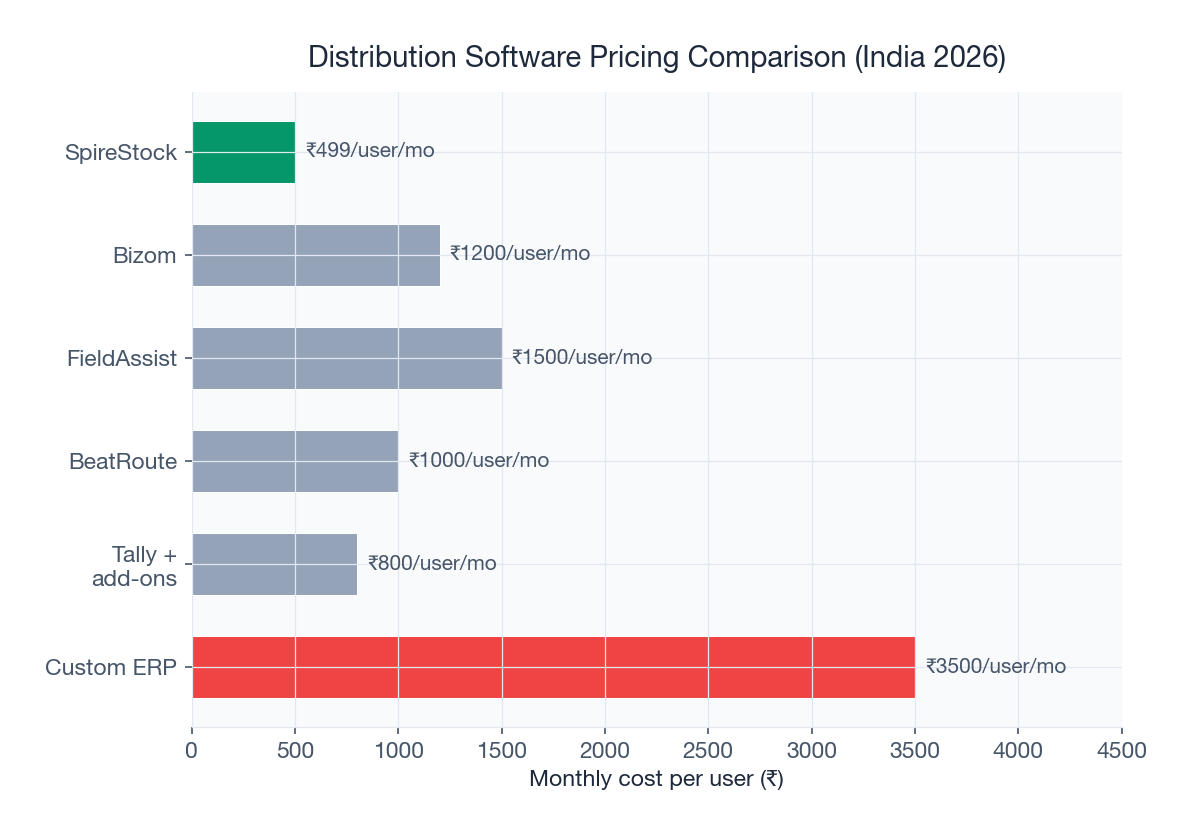
ملاحظة حول التكلفة الإجمالية للملكية: الاشتراك الشهري هو جزء فقط من التكلفة. ضع في اعتبارك رسوم التنفيذ، وتكاليف ترحيل البيانات، ونفقات التدريب، وتكلفة الفرصة البديلة لنشر يستغرق 3-6 أشهر مقابل الانطلاق في أسبوعين. على أفق 3 سنوات، يمكن أن تكون المنصة ذات الرسوم الشهرية الأقل ولكنها تشمل التنفيذ (مثل SpireStock) أرخص بنسبة 40-60٪ من منصة مؤسسات ذات تكاليف مقدمة باهظة. اقرأ دليل أسعار DMS التفصيلي للحصول على تفصيل شامل.
كيفية اختيار DMS المناسب لعملك
مع 10 خيارات قابلة للتطبيق على الطاولة، فإن شلل القرار حقيقي. إليك إطار عمل يقطع الضوضاء.
الخطوة 1: حدد نقطة الألم الأساسية الخاصة بك
كل عمل توزيع لديه نقطة ألم "أعلى صوتًا". هل هي رؤية القوة الميدانية؟ دقة الطلب؟ تسرب المخططات؟ خسائر الصناديق؟ عدم كفاءة المسار؟ يجب أن تتصدر المنصة التي تعالج ألمك الأساسي بشكل أصلي (وليس كإضافة) قائمتك المختصرة.
الخطوة 2: طابق نطاقك
- أقل من 20 مندوبًا ميدانيًا، أقل من 10 كرور روبية قيمة توزيع سنوية: SalesTrendz أو PepUpSales. كن رقميًا بسرعة، وابق ضعيفًا.
- 20-100 مندوب ميداني، 10-100 كرور روبية قيمة توزيع: SpireStock، FieldAssist أو BeatRoute. تحتاج إلى عمق دون تعقيد المؤسسات.
- 100+ مندوب ميداني، 100+ كرور روبية قيمة توزيع: Bizom، Botree أو Ivy Mobility. البنية التحتية للمؤسسات والنطاق المثبت مهمان هنا.
الخطوة 3: ضع في اعتبارك فئتك
ليس كل التوزيع متشابهًا. توزيع الألبان له احتياجات فريدة (تتبع الصناديق، وسلسلة التبريد، ودورات التسليم اليومية) لا تعالجها معظم منصات DMS العامة بشكل أصلي. وبالمثل، فإن توزيع الإلكترونيات عالية القيمة له هياكل مخططات مختلفة عن FMCG. اختر منصة تفهم فروق فئتك.
الخطوة 4: قيّم تطبيق الجوال في الميدان
لا تقيّم منصة DMS في غرفة اجتماعات. أعط تطبيق الجوال لمندوبيك الميدانيين لمدة أسبوع. هل يمكنهم أخذ الطلبات في المناطق ذات الاتصال الضعيف؟ هل التطبيق سهل بما يكفي لمندوب ذو خبرة تقنية محدودة لاستخدامه بعد 30 دقيقة من التدريب؟
الخطوة 5: تحقق من التكامل مع حزمتك الحالية
إذا كنت تشغل Tally للمحاسبة، فيجب أن يتكامل DMS بشكل نظيف. توفر لك البنية القائمة على API أولاً (مثل واجهات REST API الخاصة بـ SpireStock) المرونة للتكاملات المخصصة.
الخطوة 6: قم بحساب الأرقام على TCO لمدة 3 سنوات
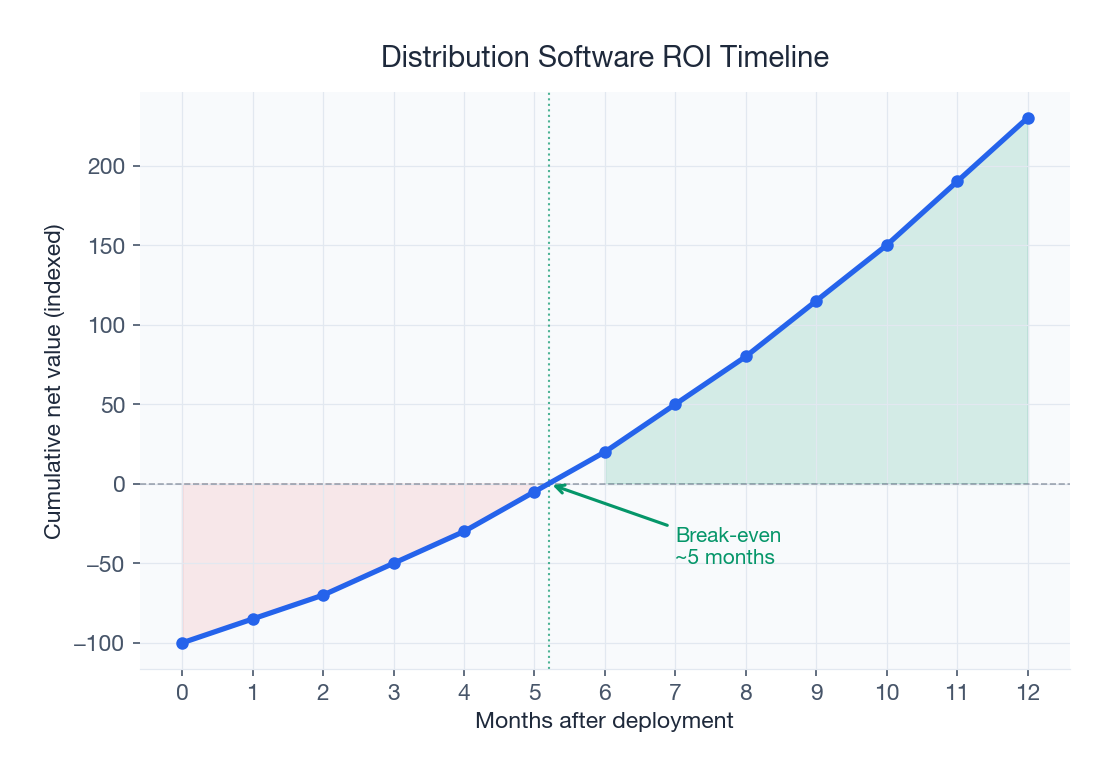
الاشتراك الشهري مضروبًا في 36 شهرًا، بالإضافة إلى التنفيذ، بالإضافة إلى التدريب، بالإضافة إلى تكاليف الإضافات المقدرة. قد لا يكون الخيار الشهري الأرخص هو الأرخص على مدى 3 سنوات. على العكس من ذلك، قد يقدم الخيار الشهري الأغلى عائدًا على الاستثمار يبرر العلاوة. انظر دليل الأسعار الخاص بنا لحسابات TCO التفصيلية.
توصيات خاصة بالصناعة
بناءً على تقييمنا، إليك توصياتنا حسب القطاع الصناعي. هذه نقاط انطلاق، وليست مطلقة. يجب أن تدفع متطلباتك المحددة، وميزانيتك، ومسار نموك القرار النهائي.
توزيع الألبان
الاختيار الأفضل: SpireStock. لا توجد منصة أخرى في هذه القائمة تقدم إدارة الصناديق الأصلية، والتوزيع متعدد المصانع، ومحركات المخططات الخاصة بالألبان في حزمة متكاملة واحدة. يتضمن توزيع الألبان دورات تسليم يومية، وأصول قابلة للإرجاع (صناديق، زجاجات، حاويات)، وقيود سلسلة التبريد، ومخططات تجارية معقدة. تم بناء SpireStock لهذا الغرض بالضبط. اقرأ دليلنا التفصيلي حول برامج توزيع الألبان في الهند.
الوصيف: Bizom، إذا كنت مؤسسة ألبان كبيرة جدًا (500+ كرور روبية) تحتاج إلى بنية تحتية على مستوى المؤسسات ويمكنك الاستثمار في التخصيص للتعامل مع إدارة الصناديق.
FMCG الكبيرة (العلامات التجارية الوطنية)
الاختيار الأفضل: Bizom أو Botree. كلاهما لديه النطاق، وعمق الميزات، والمراجع المؤسسية التي تتطلبها علامات FMCG الوطنية. تتقدم Bizom في ذكاء التجزئة؛ وتتقدم Botree في الاستقرار التقليدي وعمق شبكة الموزعين.
الوصيف: FieldAssist، خاصة إذا كانت إدارة القوة الميدانية هي تركيزك الأساسي. للحصول على مقارنة مباشرة مفصلة، اقرأ مقارنة Tally vs Bizom vs FieldAssist.
FMCG متوسطة الحجم والعلامات التجارية الإقليمية
الاختيار الأفضل: SpireStock أو FieldAssist. كلاهما يقدم التوازن الصحيح بين عمق الميزات والقدرة على تحمل التكاليف للعلامات التجارية في نطاق التوزيع من 10-100 كرور روبية. SpireStock أقوى في العمليات (المسارات، المخططات، الصناديق)؛ FieldAssist أقوى في SFA.
الوصيف: BeatRoute، إذا كان تفاعل القنوات والتلعيب مهمين لاستراتيجيتك.
العلامات التجارية الصغيرة والداخلين الجدد إلى السوق
الاختيار الأفضل: SalesTrendz أو PepUpSales. كن رقميًا بسرعة، بسعر لا يجهد الهوامش الضيقة. تغطي هذه المنصات الأساسيات جيدًا ويمكنها خدمتك حتى تتجاوزها.
الوصيف: Udaan (كمكمل للسوق، وليس بديلاً لـ DMS). أدرج منتجاتك، وصول إلى تجار التجزئة، وابن حضورك في السوق أثناء إنشاء توزيعك الخاص. تعرف على المزيد في دليلنا حول كيفية بدء أعمال التوزيع في الهند.
العمليات متعددة البلدان
الاختيار الأفضل: Ivy Mobility. إذا كنت توزع عبر الهند، وجنوب شرق آسيا، والأسواق الناشئة الأخرى، فإن المنصة العالمية لـ Ivy تتجنب آلام تجميع الأدوات الخاصة بكل بلد.
الوصيف: Bizom، التي لديها بعض الحضور الدولي على الرغم من أنها تركز بشكل أساسي على الهند.
الحكم النهائي
لا توجد منصة DMS "أفضل" واحدة في الهند. يعتمد الاختيار الصحيح على حجم عملك، والقطاع الصناعي، والميزانية، والتحديات التشغيلية الأساسية. إليك ملخصنا:
- لتوزيع الألبان والسلع القابلة للتلف: SpireStock هي الرائدة الواضحة، مع إدارة لا مثيل لها للصناديق، ودعم متعدد المصانع، وأتمتة المخططات.
- لمؤسسات FMCG الكبيرة: تقدم Bizom وBotree النطاق والاستقرار وعمق الميزات التي تطالب بها العلامات التجارية الوطنية.
- للعمليات الكثيفة بالقوة الميدانية: تقدم FieldAssist أقوى قدرات SFA في السوق.
- لابتكار تفاعل القنوات: النموذج المدفوع بالأهداف لـ BeatRoute يستحق التقييم.
- للعلامات التجارية الصغيرة الواعية بالميزانية: SalesTrendz وPepUpSales تقدم الأساسيات بأسعار يسهل الوصول إليها.
- للعمليات العالمية: Ivy Mobility توفر منصة موحدة متعددة البلدان.
- للوصول إلى السوق دون استثمار في البنية التحتية: Udaan تخدم كمكمل لاستراتيجية التوزيع الخاصة بك.
أيًا كانت المنصة التي تختارها، فإن قرار الانتقال من العمليات اليدوية إلى DMS الرقمي هو الخطوة الأكثر تأثيرًا. اقرأ دليل DMS الكامل للهند للحصول على السياق التأسيسي، أو تواصل مع فريقنا لمناقشة المنصة التي تناسب احتياجاتك المحددة.
الخطوات التالية
إذا كنت تقيّم منصات DMS لعملية التوزيع الخاصة بك، فإليك الخطوات التالية العملية:
- حدد أهم 3 نقاط ألم تشغيلية وطابقها مع نقاط قوة المنصة من هذا الدليل.
- ضع قائمة مختصرة من 2-3 منصات واطلب عروض توضيحية مباشرة مع بياناتك وسير عملك الفعلي.
- قم بتشغيل تجربة لمدة أسبوعين مع فريقك الميداني على المنصة المختصرة قبل الالتزام.
- احسب TCO لمدة 3 سنوات بما في ذلك التنفيذ والتدريب وعائد الاستثمار المتوقع.
- راجع أدلتنا التفصيلية حول ما هو DMS، وأسعار DMS في الهند، وميزات DMS التي يجب توفرها.
هل أنت مستعد لرؤية SpireStock أثناء العمل؟ احجز عرضًا توضيحيًا مجانيًا أو استكشف صفحات الميزات الخاصة بنا لفهم كيفية حلنا لتحديات التوزيع لعلامات الألبان وFMCG في جميع أنحاء الهند.
المصادر والمراجع
- Bizom, Bizom - Retail Intelligence Platform
- FieldAssist, FieldAssist - Sales Force Automation
- BeatRoute, BeatRoute - Goal Driven Sales Distribution
- Botree Software, Botree - Distribution Management Solutions
- Ivy Mobility, Ivy Mobility - Route to Market Platform
- SalesTrendz, SalesTrendz - SFA and DMS Platform
- PepUpSales, PepUpSales - Sales Force Automation
- Udaan, Udaan - B2B E-Commerce Platform
الأسئلة المتكررة
يعتمد أفضل DMS على سياق عملك. بالنسبة للألبان والسلع القابلة للتلف، تقدم SpireStock إدارة لا مثيل لها للصناديق ودعمًا متعدد المصانع. بالنسبة لمؤسسات FMCG الكبيرة، توفر Bizom وBotree نطاقًا على مستوى المؤسسات. بالنسبة للعلامات التجارية الصغيرة ذات الميزانية المحدودة، تعد SalesTrendz وPepUpSales خيارات قوية. قيّم بناءً على فئتك ونطاقك وميزانيتك.
تتراوح أسعار DMS في الهند من 1,500 روبية/شهر للمنصات الأساسية مثل PepUpSales إلى أكثر من 1 لكح روبية/شهر للحلول المؤسسية مثل Ivy Mobility. تكلف المنصات متوسطة المدى مثل SpireStock وFieldAssist عادة 10,000-30,000 روبية/شهر. يمكن أن تضيف رسوم التنفيذ 2-25 لكح روبية اعتمادًا على البائع.
تخدم SpireStock وBizom قطاعات مختلفة. تتفوق SpireStock في توزيع الألبان والسلع القابلة للتلف مع إدارة الصناديق الأصلية ودعم متعدد المصانع وأسعار ميسورة التكلفة. تتفوق Bizom في FMCG على مستوى المؤسسات الكبيرة بذكاء تجزئة متفوق ونطاق مثبت عبر أكثر من 550 مؤسسة. بالنسبة لتوزيع الألبان، فإن SpireStock هي الخيار الأقوى. بالنسبة لعلامات FMCG الوطنية الكبيرة، لدى Bizom المزيد من المراجع المؤسسية.
تشمل الميزات الأساسية الفوترة المتوافقة مع GST، وإدارة المخططات (مخططات التجارة والمستهلك)، وتطبيق جوال مع إمكانية العمل دون اتصال، وتحسين المسارات، وتتبع المبيعات الثانوية، وتخطيط المسارات، وإدارة القوة الميدانية، والتكامل مع Tally أو منصة المحاسبة الحالية. بالنسبة للألبان والسلع القابلة للتلف، تعد إدارة الصناديق ودعم سلسلة التبريد إضافات حاسمة.
نعم. منصات مثل PepUpSales (من 1,500 روبية/شهر) وSalesTrendz (من 3,000 روبية/شهر) تجعل DMS في متناول الموزعين الصغار. تقدم خطة المبتدئين من SpireStock من 4,000 روبية/شهر مزيدًا من العمق. عادةً ما يدفع العائد على الاستثمار من تقليل أخطاء الفوترة، والامتثال الأفضل للمخططات، وتحسين الإنتاجية الميدانية تكلفة البرنامج في غضون 2-3 أشهر.
تختلف الجداول الزمنية للتنفيذ بشكل كبير. يمكن للمنصات الاقتصادية مثل PepUpSales وSalesTrendz العمل في 1-2 أسبوع. تستغرق المنصات متوسطة المدى مثل SpireStock عادة 2-4 أسابيع. غالبًا ما تتطلب منصات المؤسسات مثل Bizom وBotree 3-6 أشهر للنشر الكامل بما في ذلك ترحيل البيانات والتكامل والتدريب.
تقدم معظم منصات DMS الهندية تكاملاً مع Tally، لكن العمق يختلف. توفر SpireStock وBizom تكاملاً قويًا قائمًا على واجهة برمجة التطبيقات الذي يزامن الفواتير والمدفوعات وإدخالات دفتر الأستاذ تلقائيًا. قد تقدم المنصات الاقتصادية فقط تصدير CSV للاستيراد اليدوي إلى Tally. تحقق من طريقة التكامل وتواتر المزامنة أثناء التقييم.
يركز DMS (نظام إدارة التوزيع) على عمليات الموزع: إدارة الطلبات، والفوترة، وتسوية المخططات، والمخزون، والخدمات اللوجستية للتسليم. تركز SFA (أتمتة قوة المبيعات) على إدارة فريق المبيعات الميداني: تخطيط المسارات، وزيارات المنافذ، وتتبع GPS، ومراقبة أهداف المبيعات. تجمع العديد من المنصات بين الاثنين، لكن بعضها (مثل FieldAssist) يركز على SFA أولاً بينما يركز البعض الآخر (مثل SpireStock وBotree) على DMS أولاً. اقرأ شرحنا التفصيلي لـ DMS على /blog/what-is-dms-distributor-management-system.
ميزات SpireStock ذات الصلة
دورة حياة طلب شاملة من الوضع إلى التسليم مع سير عمل موافقة متعددة المستويات.
تتبع كامل للصناديق القابلة للإرجاع عبر مستويات المصنع والناقل والتجزئة.
إدارة تسليم قائمة على المنطقة والبلدة والمسار مع التحسين.
مخططات حوافز مرنة، مسطحة وحزمة بالجملة وكميات، تُطبّق تلقائياً.
فوترة متوافقة مع GST مع رموز HSN وتصاريح بوابة ودفتر مالي.
لوحات قوية مع اتجاهات المبيعات وتقارير MIS وتحليلات التوزيع.
صناعات ذات صلة
كيانات ذات صلة
هل أنت مستعد لتبسيط عملية التوزيع؟
ابدأ تجربتك المجانية لمدة 14 يوماً واكتشف كيف يمكن لـ SpireStock تحويل عملية توزيع الألبان أو السلع الاستهلاكية الخاصة بك، من استلام الطلبات إلى استرداد الصناديق.

SpireStock Team
خبراء تكنولوجيا التوزيع
يكتب SpireStock Team لصالح SpireStock حول إدارة التوزيع وتحسين سلسلة التوريد والعمليات الميدانية لعلامات الألبان وFMCG الهندية.