ડિસ્ટ્રિબ્યુટર્સ Tally થી શા માટે આગળ વધી જાય છે
Tally Prime દલીલપૂર્વક ભારતનું સૌથી વિશ્વસનીય એકાઉન્ટિંગ સોફ્ટવેર છે. 70 લાખથી વધુ વ્યવસાયો GST પાલન, લેજર મેનેજમેન્ટ અને નાણાકીય રિપોર્ટિંગ માટે તેના પર નિર્ભર છે. દિવસમાં 20 ઇન્વોઇસ બિલિંગ કરતા સિંગલ-કાઉન્ટર ડિસ્ટ્રિબ્યુટર માટે, Tally સુંદર રીતે કામ કરે છે. પરંતુ ડિસ્ટ્રિબ્યુશન એ એકાઉન્ટિંગ નથી. અને જે ક્ષણે તમારી કામગીરી ચોક્કસ થ્રેશોલ્ડથી આગળ વધે છે, ડિસ્ટ્રિબ્યુશન મેનેજ કરવા માટે Tally વાપરવું એ કમ્પ્યુટરની જરૂર હોય ત્યારે કેલ્ક્યુલેટર વાપરવા જેવું છે. તમે અનેક શહેરોમાં FMCG distribution મેનેજ કરો છો કે પ્રાદેશિક dairy operation ચલાવો છો, ક્યારે Tally પૂરતું થવાનું બંધ થાય છે તે સમજવું એ ઓપરેશનલ પરિપક્વતા તરફનું પ્રથમ પગલું છે.
Tally વ્યવહારો થયા પછી તેમને રેકોર્ડ કરવા માટે બનાવાયું હતું. Distribution Management System (DMS) તે પહેલાં, દરમિયાન અને પછી કામગીરીને ઓર્કેસ્ટ્રેટ કરવા માટે બનાવાયું છે. Tally તમને કહી શકે છે કે તમે ગયા મહિને કેટલું વેચ્યું. DMS તમને કહી શકે છે કે અત્યારે કયો સેલ્સપર્સન કયા રિટેલરની મુલાકાત લઈ રહ્યો છે, કઈ સ્કીમ્સ ચાલી રહી છે, કયા ક્રેટ્સ બાકી છે અને આવતીકાલના ડિસ્પેચ માટે કયા રૂટ્સ ઑપ્ટિમાઇઝ કરવાની જરૂર છે. આ મૂળભૂત રીતે વિવિધ ક્ષમતાઓ છે, અને એકાઉન્ટિંગ પ્લેટફોર્મમાં ડિસ્ટ્રિબ્યુશન લોજિક નિચોવવાનો પ્રયાસ તમારી કામગીરીના દરેક સ્તરે ઘર્ષણ સર્જે છે.
આનો અર્થ એ નથી કે આધુનિક ડિસ્ટ્રિબ્યુશન વ્યવસાયમાં Tally ની કોઈ ભૂમિકા નથી. હકીકતમાં, શ્રેષ્ઠ અભિગમ એ છે કે Tally તે જે શ્રેષ્ઠ કરે છે તે માટે રાખવી, એકાઉન્ટિંગ અને GST પાલન, અને દરેક ઓપરેશનલ બાબત માટે તેના ઉપર DMS લેયર કરવી. પરંતુ તે આર્કિટેક્ચર પર પહોંચવા માટે માળખાગત માઇગ્રેશનની જરૂર છે, અને આ માર્ગદર્શિકા બરાબર તે જ આપે છે.
જો તમે પહેલાથી જ Tally vs DMS પ્રશ્ન પર સંશોધન કર્યું છે, તો તમે અમારી Tally vs Bizom vs FieldAssist comparison અથવા SpireStock vs Bizom comparison વાંચી હશે. આ માર્ગદર્શિકા વધુ ઊંડે જાય છે: તે કયા પ્લેટફોર્મ પસંદ કરવાનું છે તે વિશે નથી, પરંતુ માઇગ્રેશન વાસ્તવમાં કેવી રીતે ચલાવવું તે વિશે છે.
Tally જે કરી શકતું નથી તે DMS કરી શકે છે
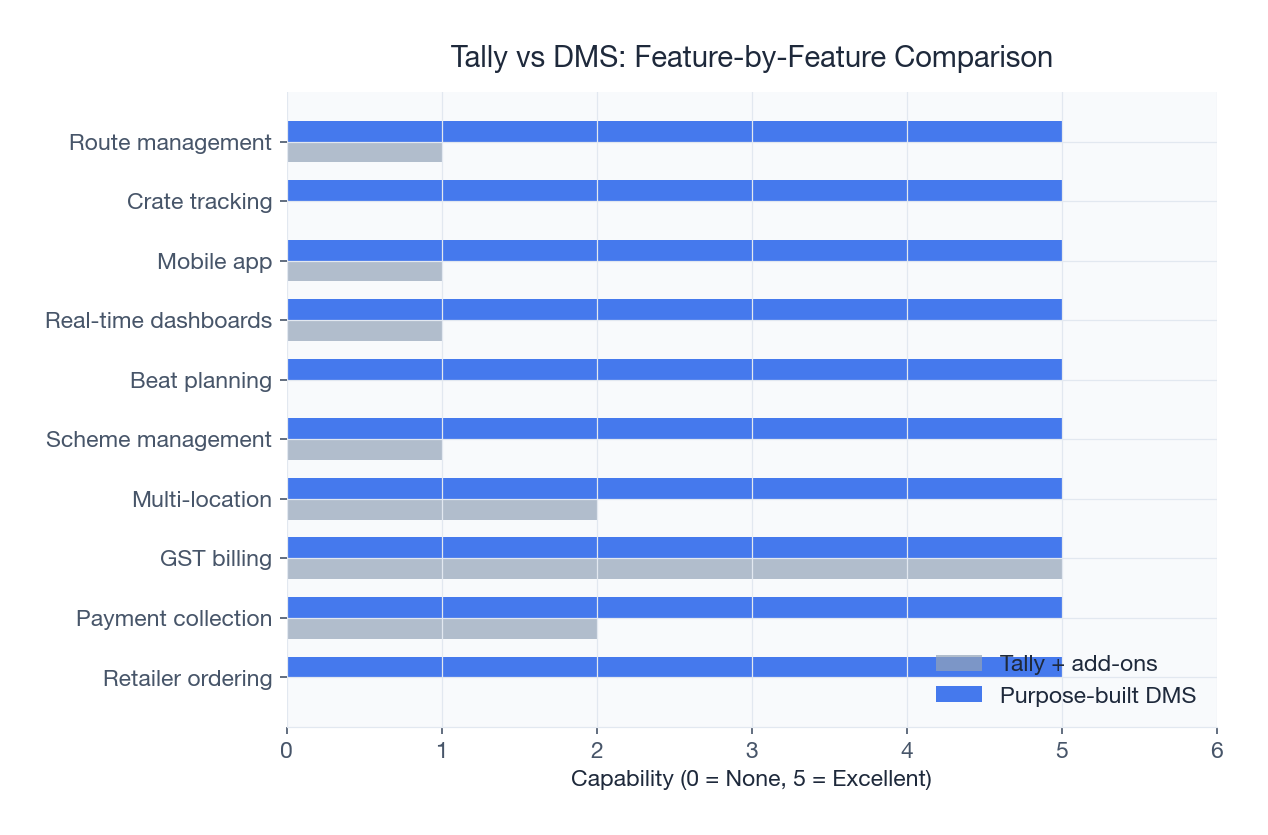
Tally અને DMS વચ્ચેનું અંતર ફીચર્સની બાબત નથી. તે આર્કિટેક્ચરની બાબત છે. Tally એ નાણાકીય રેકોર્ડ-કીપિંગ માટે ડિઝાઇન કરાયેલ સિંગલ-યુઝર અથવા મલ્ટિ-યુઝર ડેસ્કટોપ એપ્લિકેશન છે. આધુનિક DMS એ તમારા સમગ્ર ડિસ્ટ્રિબ્યુશન નેટવર્કમાં વાસ્તવિક-સમય ઓપરેશનલ મેનેજમેન્ટ માટે ડિઝાઇન કરાયેલ ક્લાઉડ-નેટિવ, મલ્ટિ-ડિવાઇસ પ્લેટફોર્મ છે. નીચેનું ટેબલ 18 ગંભીર ડિસ્ટ્રિબ્યુશન ક્ષમતાઓમાં આ અંતરને દર્શાવે છે.
| ક્ષમતા | Tally Prime | Modern DMS (SpireStock) |
|---|---|---|
| ઓર્ડર મેનેજમેન્ટ | ફોન/WhatsApp ઓર્ડર પછી મેન્યુઅલ એન્ટ્રી | એપ્રૂવલ વર્કફ્લો, કટઑફ સમય, અને real-time status tracking સાથે મોબાઇલ-ફર્સ્ટ ઓર્ડરિંગ |
| સ્કીમ એન્જિન | કોઈ નહીં, Excel માં મેન્યુઅલ ગણતરી | slab, flat, combo અને રિટેલર-વિશિષ્ટ પ્રમોશન સાથે કોન્ફિગરેબલ trade scheme engine |
| રૂટ ઑપ્ટિમાઇઝેશન | ઉપલબ્ધ નથી | GPS ટ્રેકિંગ, ટ્રાફિક-અવેર સિક્વન્સિંગ સાથે AI-આધારિત route planning |
| ફિલ્ડ ફોર્સ ટ્રેકિંગ | ઉપલબ્ધ નથી | રીઅલ-ટાઇમ GPS, હાજરી, રિટેલર મુલાકાત લોગ, ફોટો પ્રૂફ |
| મોબાઇલ એપ (ફિલ્ડ સ્ટાફ) | કામગીરી માટે કોઈ નેટિવ મોબાઇલ એપ નથી | ઓર્ડર, ડિલિવરી, કલેક્શન અને બીટ પ્લાનિંગ માટે સંપૂર્ણ-સુવિધાવાળી mobile app |
| ક્રેટ/રિટર્નેબલ એસેટ ટ્રેકિંગ | ઉપલબ્ધ નથી | પ્રતિ પાર્ટી બેલેન્સ સાથે સંપૂર્ણ crate lifecycle management |
| સેકન્ડરી સેલ્સ વિઝિબિલિટી | કોઈ નહીં | રિટેલર-લેવલ સેલ-થ્રુ ડેટા, ડિમાન્ડ સેન્સિંગ |
| એનાલિટિક્સ ડેશબોર્ડ | મૂળભૂત નાણાકીય રિપોર્ટ્સ | ટેરિટરી, પ્રોડક્ટ, સેલ્સપર્સન દ્વારા ડ્રિલ-ડાઉન સાથે ઇન્ટરેક્ટિવ sales analytics |
| મલ્ટિ-યુઝર રીઅલ-ટાઇમ એક્સેસ | LAN-કનેક્ટેડ યુઝર્સ સુધી મર્યાદિત | અમર્યાદિત ક્લાઉડ યુઝર્સ, કોઈપણ ડિવાઇસથી, ગમે ત્યાંથી એક્સેસયોગ્ય |
| GST બિલિંગ | ઉત્તમ | ઑટો-ગણતરી અને e-invoicing સાથે GST-compliant invoicing |
| બીટ પ્લાનિંગ | ઉપલબ્ધ નથી | રિટેલર અસાઇન્મેન્ટ અને કવરેજ ટ્રેકિંગ સાથે માળખાગત બીટ પ્લાન |
| ડિસ્પેચ મેનેજમેન્ટ | મેન્યુઅલ | વાહન-મુજબ લોડિંગ, ડિસ્પેચ સિક્વન્સિંગ, OTP સાથે ડિલિવરી પુષ્ટિ |
| ક્રેડિટ લિમિટ મેનેજમેન્ટ | મૂળભૂત લેજર-લેવલ લિમિટ | ઓવરડ્યુ એકાઉન્ટ્સ પર ઑટો-હોલ્ડ સાથે ડાયનેમિક ક્રેડિટ લિમિટ |
| એક્સપાયરી/બેચ મેનેજમેન્ટ | મૂળભૂત બેચ ટ્રેકિંગ | FEFO-આધારિત ડિસ્પેચ, એક્સપાયરી એલર્ટ, નજીક-એક્સપાયરી લિક્વિડેશન વર્કફ્લો |
| મલ્ટિ-પ્લાન્ટ કામગીરી | મલ્ટિ-કંપની સપોર્ટ પણ ઓપરેશનલ સંકલન નહીં | પ્રોડક્શન-યુનિટ-આધારિત ઓર્ડરિંગ, પ્લાન્ટ-મુજબ ડિસ્પેચ પ્લાનિંગ |
| રિટેલર ડેટાબેઝ | રિટેલ માસ્ટર માટે ડિઝાઇન કરાયેલ નથી | GPS લોકેશન, ચેનલ પ્રકાર, મુલાકાત આવર્તન સાથે સંપૂર્ણ રિટેલર પ્રોફાઇલિંગ |
| બાકી/કલેક્શન ટ્રેકિંગ | લેજર-આધારિત, પોસ્ટ-ફેક્ટો | સેલ્સપર્સન-મુજબ ટાર્ગેટ અને એલર્ટ સાથે રીઅલ-ટાઇમ કલેક્શન ટ્રેકિંગ |
| API ઇન્ટિગ્રેશન | મર્યાદિત, ત્રીજા-પક્ષના કનેક્ટર્સ જરૂરી | ERP, એકાઉન્ટિંગ, લોજિસ્ટિક્સ અને ત્રીજા-પક્ષની સિસ્ટમ માટે REST APIs |
મૂળભૂત મુદ્દો સ્પષ્ટ છે: Tally આ 18 ક્ષમતાઓમાંથી 2-3 નેટિવ રીતે સંભાળે છે. હેતુ-નિર્મિત DMS તમામ 18 સંભાળે છે. અંતર એડ-ઑન અથવા પ્લગઇન્સ સાથે પૂરી શકાય તેવું નથી કારણ કે મર્યાદા આર્કિટેક્ચરલ છે, ફીચર-લેવલ નથી. ડિસ્ટ્રિબ્યુશન સોફ્ટવેર આ ગેપ્સને સંપૂર્ણ રીતે કેવી રીતે સંબોધે છે તેના ઊંડા દેખાવ માટે, અમારી comprehensive DMS guide for India વાંચો.
10 સંકેતો કે તમે Tally થી આગળ વધી ગયા છો
મોટાભાગના ડિસ્ટ્રિબ્યુટર્સ એક સવારે ઊઠીને માઇગ્રેટ થવાનું નક્કી કરતા નથી. પીડા ધીમે ધીમે વધે છે, એક વખતે એક વર્કઅરાઉન્ડ, જ્યાં સુધી સંચિત ઘર્ષણ અસહ્ય ન બને. અહીં 10 સૌથી સ્પષ્ટ સંકેતો છે કે તમારી ડિસ્ટ્રિબ્યુશન કામગીરી Tally થી આગળ વધી ગઈ છે:
- તમે 50 થી વધુ ડિસ્ટ્રિબ્યુટર્સ અથવા રિટેલર્સ મેનેજ કરો છો. આ સ્કેલ પર, મેન્યુઅલ ઓર્ડર એન્ટ્રી, ફોન-આધારિત સંકલન અને કાગળ-આધારિત ટ્રેકિંગ બહુવિધ લોકો માટે પૂર્ણ-સમય નોકરી બની જાય છે. DMS તે ઑટોમેટ કરે છે જે Tally તમને મેન્યુઅલી કરવા માટે દબાણ કરે છે.
- તમારી બિલિંગ ટીમ ઇન્વોઇસ જનરેશન પર દરરોજ 2 કલાકથી વધુ સમય ગાળે છે. જો તમારા બિલિંગ સ્ટાફ WhatsApp સંદેશા અને ફોન કોલ નોટ્સમાંથી Tally માં ઓર્ડર ટાઇપ કરી રહ્યા છે, તો તમે કુશળ કામદારોને ડેટા એન્ટ્રી કરવા માટે ચૂકવણી કરી રહ્યા છો. DMS ડિજિટલી મૂકાયેલા ઓર્ડરમાંથી આપોઆપ ઇન્વોઇસ જનરેટ કરે છે.
- સ્કીમ વિવાદો સાપ્તાહિક ઘટના છે. જ્યારે ટ્રેડ પ્રમોશન મેન્યુઅલી ગણવામાં આવે છે, ત્યારે ભૂલો અનિવાર્ય હોય છે. ડિસ્ટ્રિબ્યુટર્સ અને રિટેલર્સ દાવાઓ પર વિવાદ કરે છે, તમારી ટીમ સમાધાનમાં કલાકો ગાળે છે, અને વિશ્વાસ ઓછો થાય છે. scheme engine ઓર્ડરના સમયે આપોઆપ યોગ્ય પ્રોત્સાહન લાગુ કરે છે, વિવાદો સંપૂર્ણપણે દૂર કરે છે.
- તમે સેકન્ડરી સેલ્સ ટ્રેક કરી શકતા નથી. Tally બતાવે છે કે તમે ડિસ્ટ્રિબ્યુટર્સને શું વેચ્યું (પ્રાથમિક વેચાણ). પરંતુ ડિસ્ટ્રિબ્યુટર્સે રિટેલર્સને શું વેચ્યું (સેકન્ડરી વેચાણ) તે અદૃશ્ય છે. સેકન્ડરી વિઝિબિલિટી વગર, તમે વાસ્તવિક માંગ માપી શકતા નથી, ધીમે ચાલતા ઉત્પાદનો ઓળખી શકતા નથી, અથવા સ્કીમ્સને અસરકારક રીતે ફાળવી શકતા નથી.
- તમારી ફિલ્ડ ફોર્સ વિઝિબિલિટી વગર કાર્ય કરે છે. જો તમે જાણતા નથી કે તમારા સેલ્સપીપલ ક્યાં છે, કયા રિટેલર્સની તેઓએ મુલાકાત લીધી, કયા ઓર્ડર એકત્રિત કર્યા અને કયો પ્રતિસાદ મળ્યો, તો તમે અંધ રીતે મેનેજ કરી રહ્યા છો. GPS-સક્ષમ ફિલ્ડ ફોર્સ ટ્રેકિંગ આધુનિક ડિસ્ટ્રિબ્યુશન માટે ટેબલ સ્ટેક્સ છે.
- ક્રેટ નુકસાન વાર્ષિક 5% થી વધી જાય છે. જો તમે ડેરી, પીણાં અથવા રિટર્નેબલ એસેટ્સનો ઉપયોગ કરતું કોઈપણ ઉત્પાદન વિતરિત કરો છો, અને તમારું વાર્ષિક ક્રેટ નુકસાન દર 5% થી વધી જાય છે, તો તમે પૈસા ગુમાવી રહ્યા છો. crate management system મહિનાઓમાં નુકસાનને 70-80% ઘટાડે છે.
- મહિનાના અંતનું ક્લોઝિંગ 3 દિવસથી વધુ સમય લે છે. જો તમારી ફાઇનાન્સ ટીમ દર મહિનાનું પ્રથમ અઠવાડિયું બહુવિધ સ્પ્રેડશીટ્સ, Tally એન્ટ્રીઓ અને કાગળના રેકોર્ડ્સમાં ડેટાનું સમાધાન કરવામાં ગાળે છે, તો તમારી સિસ્ટમ્સ તમને નિષ્ફળ કરી રહી છે. Tally ઇન્ટિગ્રેશન સાથેનું DMS કલાકોમાં મહિના બંધ કરે છે, દિવસોમાં નહીં.
- તમે પ્રમોશન ચલાવો છો પણ તેમનો ROI માપી શકતા નથી. Tally પાસે કઈ સ્કીમે કયો વેચાણ ઉછાળ ચલાવ્યો તે ટ્રેક કરવાની કોઈ વ્યવસ્થા નથી. સ્કીમ-લેવલ એનાલિટિક્સ વગર, તમે ડેટાને બદલે અંતરદૃષ્ટિ પર પ્રમોશનલ બજેટ ખર્ચ કરી રહ્યા છો.
- રૂટ પ્લાનિંગ કાગળ પર અથવા મેમરીમાંથી થાય છે. જો તમારી ડિસ્પેચ ટીમ ઑપ્ટિમાઇઝ્ડ સિક્વન્સિંગને બદલે ડ્રાઇવર અનુભવ પર આધારિત રૂટ્સ પ્લાન કરે છે, તો તમે ઇંધણ, વાહનો અને સમય પર વધુ ખર્ચ કરી રહ્યા છો. Route optimization સામાન્ય રીતે લોજિસ્ટિક્સ ખર્ચ પર 20-30% બચાવે છે.
- તમે નવા ટેરિટરીમાં વિસ્તરી રહ્યા છો અને વર્તમાન સિસ્ટમ સ્કેલ કરી શકતી નથી. Tally એક નવો કંપની કોડ સંભાળી શકે છે, પરંતુ તે વાસ્તવિક સમયમાં બહુવિધ વેરહાઉસ, ટેરિટરી અને ફિલ્ડ ટીમો વચ્ચે કામગીરી સંકલિત કરી શકતી નથી. DMS વગર વૃદ્ધિ એટલે પ્રમાણસર વધુ અંધાધૂંધી સાથે વૃદ્ધિ.
જો આમાંથી ત્રણ અથવા વધુ સંકેતો તમારી કામગીરી સાથે મેળ ખાય છે, તો તમે ડિસ્ટ્રિબ્યુશન માટે Tally થી આગળ વધી ગયા છો. આનો અર્થ Tally છોડવો નથી. તેનો અર્થ હેતુ-નિર્મિત ડિસ્ટ્રિબ્યુશન ટેકનોલોજી સાથે તેને પૂરક બનાવવો છે.
માઇગ્રેશન ફ્રેમવર્ક: સફળ સંક્રમણ માટે 5 તબક્કાઓ
Tally થી DMS પર માઇગ્રેટ થવું એ વીકએન્ડ પ્રોજેક્ટ નથી. તે એક માળખાગત સંક્રમણ છે જે, યોગ્ય રીતે કરવામાં આવે, તો 9-11 અઠવાડિયા લે છે અને માપી શકાય તેવી રીતે વધુ ઝડપી, વધુ સચોટ અને વધુ દૃશ્યમાન ડિસ્ટ્રિબ્યુશન કામગીરીમાં પરિણમે છે. ખોટી રીતે કરવામાં આવે, તો તે વિક્ષેપ, પ્રતિકાર અને બગડેલા રોકાણનો સ્ત્રોત બને છે. નીચેનું ફ્રેમવર્ક ભારતીય FMCG અને ડેરી ડિસ્ટ્રિબ્યુટર્સના સેંકડો સફળ માઇગ્રેશનમાંથી લેવામાં આવ્યું છે. તેને પગલા-દર-પગલા અનુસરો.
તબક્કો 1: તમારા વર્તમાન Tally વર્કફ્લોનું ઓડિટ કરો (2 અઠવાડિયા)
કોઈપણ નવા સોફ્ટવેરને સ્પર્શ કરતા પહેલા, તમારે Tally અંદર તમારો વ્યવસાય હાલમાં કેવી રીતે કાર્ય કરે છે તેનું સંપૂર્ણ ચિત્ર જોઈએ. આ તબક્કો દસ્તાવેજીકરણ વિશે છે, નિર્ણય લેવાનો નથી.
- દરેક વર્કફ્લો મેપ કરો. દસ્તાવેજ કરો કે ઓર્ડર કેવી રીતે આવે છે (ફોન, WhatsApp, રૂબરૂ), તેઓ Tally માં કેવી રીતે દાખલ થાય છે, ઇન્વોઇસ કેવી રીતે જનરેટ થાય છે, ડિસ્પેચ કેવી રીતે પ્લાન થાય છે, કલેક્શન કેવી રીતે ટ્રેક થાય છે, અને રિટર્ન કેવી રીતે પ્રક્રિયા થાય છે. સામેલ લોકો, દરેક પગલાનો સમય અને દરેક તબક્કે ભૂલ દર શામેલ કરો.
- દરેક કસ્ટમાઇઝેશન યાદી કરો. ઘણી Tally ઇન્સ્ટોલેશનમાં કસ્ટમ વાઉચર પ્રકારો, TDL કસ્ટમાઇઝેશન અને ચોક્કસ રિપોર્ટ ફોર્મેટ હોય છે જેના પર યુઝર્સ આધાર રાખે છે. આ દસ્તાવેજ કરો જેથી DMS અમલીકરણ ટીમ આઉટપુટ ની નકલ કરી શકે, જો પદ્ધતિ નહીં.
- પીડા બિંદુઓ ઓળખો. તમારી બિલિંગ ટીમ, સેલ્સ ટીમ, ડિસ્પેચ ટીમ અને ફાઇનાન્સ ટીમનો અલગ અલગ ઇન્ટરવ્યુ લો. દરેક જૂથને પૂછો: "સૌથી વધુ સમય શું લે છે? સૌથી વધુ ભૂલો શું કરે છે? તમે કઈ માહિતી મેળવવા ઈચ્છો છો પણ નથી?" આ પીડા બિંદુઓ તમારા DMS સફળતા મેટ્રિક્સ બને છે.
- ગેપ્સનું પ્રમાણ નક્કી કરો. તમારી સમસ્યાઓ સામે સંખ્યાઓ મૂકો. દર અઠવાડિયે મેન્યુઅલ બિલિંગ પર કેટલા કલાક? ત્રિમાસિક દીઠ કેટલું ક્રેટ નુકસાન? મહિને કેટલા સ્કીમ વિવાદો? આ બેઝલાઇન સંખ્યાઓ પાછળથી માઇગ્રેશન ROI માપવા માટે જરૂરી છે.
તબક્કો 1 નું આઉટપુટ વર્કફ્લો ઓડિટ ડોક્યુમેન્ટ છે જે તમારા DMS કોન્ફિગરેશન માટે બ્લુપ્રિન્ટ બને છે. આ તબક્કો છોડી દો અને તમે મિસકોન્ફિગરેશન સુધારવામાં તબક્કો 3 માં બમણો સમય ગાળશો.
તબક્કો 2: ડેટા તૈયારી અને ક્લીનઅપ (2 અઠવાડિયા)
Tally ડેટાબેઝ વર્ષોનો ડેટા સંગ્રહિત કરે છે, અને તે બધો સ્વચ્છ નથી. નવી સિસ્ટમમાં ગંદો ડેટા માઇગ્રેટ કરવો એ નિષ્ફળ DMS અમલીકરણનું એકમાત્ર સૌથી સામાન્ય કારણ છે. આ તબક્કો એ સુનિશ્ચિત કરવા વિશે છે કે તમે જે માઇગ્રેટ કરો છો તે સચોટ, સંપૂર્ણ અને માળખાગત છે.
- તમારા પ્રોડક્ટ માસ્ટરને સાફ કરો. બંધ થયેલા SKUs દૂર કરો, પ્રોડક્ટ નામો સ્ટાન્ડર્ડાઇઝ કરો ("Amul Butter 500g" અને "Amul Bttr 500gm" જેવા ડુપ્લિકેટ્સ નહીં), HSN કોડ ચકાસો, અને સુનિશ્ચિત કરો કે દરેક સક્રિય SKU પાસે સાચી પ્રાઇસિંગ, GST દરો અને માપનું એકમ છે.
- તમારા ડિસ્ટ્રિબ્યુટર/રિટેલર માસ્ટરને સાફ કરો. સંપર્ક વિગતો, GST નંબરો, સરનામા, ક્રેડિટ લિમિટ અને બાકી બેલેન્સ ચકાસો. નિષ્ક્રિય પક્ષો દૂર કરો. ડુપ્લિકેટ્સ મર્જ કરો. જો તમે route optimization વાપરવાની યોજના ધરાવો છો તો રિટેલર સ્થાનો માટે GPS કોઓર્ડિનેટ્સ એકત્રિત કરવાનો પણ આ સમય છે.
- પ્રાઇસિંગ સ્ટ્રક્ચર સ્ટાન્ડર્ડાઇઝ કરો. જો તમારી પ્રાઇસિંગ સ્પ્રેડશીટ્સ, Tally પ્રાઇસ લિસ્ટ્સ અને સેલ્સ ટીમ મેમરીમાં એક સાથે રહે છે, તો તેને એક જ સત્ય સ્ત્રોતમાં એકીકૃત કરો. દરેક પ્રાઇસિંગ ટિયર, ટ્રેડ ડિસ્કાઉન્ટ અને વિશેષ દર દસ્તાવેજ કરો.
- ઓપનિંગ બેલેન્સ તૈયાર કરો. માઇગ્રેશન માટે કટઑફ તારીખ નક્કી કરો અને સુનિશ્ચિત કરો કે તે તારીખ સુધી તમામ બાકી રકમ, એડવાન્સ ચૂકવણીઓ, અને ક્રેડિટ/ડેબિટ નોટ્સનું સમાધાન થયું છે. આ ઓપનિંગ બેલેન્સ DMS માં લોડ કરવામાં આવશે.
- DMS-સુસંગત ફોર્મેટમાં ડેટા એક્સપોર્ટ કરો. મોટાભાગના DMS પ્લેટફોર્મ ડેટા ઇમ્પોર્ટ માટે CSV ટેમ્પલેટ્સ પ્રદાન કરે છે. આ તબક્કા દરમિયાન તમારા Tally ફીલ્ડ્સને DMS ટેમ્પલેટ ફીલ્ડ્સ સાથે મેપ કરો, ગો-લાઇવ દરમિયાન નહીં જ્યારે દબાણ હોય.
તબક્કો 2 નું આઉટપુટ ઇમ્પોર્ટ માટે તૈયાર સ્વચ્છ, માન્ય ડેટા ફાઇલોનો સમૂહ છે. તમારી કામગીરીના કદને ધ્યાનમાં લીધા વગર આ તબક્કા માટે ઓછામાં ઓછા 2 અઠવાડિયા બજેટ કરો. મોટી કામગીરીઓ (200+ ડિસ્ટ્રિબ્યુટર્સ) ને 3-4 અઠવાડિયાની જરૂર પડી શકે છે.
તબક્કો 3: પેરેલલ રન (4 અઠવાડિયા)
પેરેલલ રન એ તમારા માઇગ્રેશનની સલામતી જાળ છે. આ તબક્કા દરમિયાન, તમારી ટીમ દરેક વ્યવહારને Tally અને નવા DMS બંનેમાં પ્રક્રિયા કરે છે. આ બિનજરૂરી લાગે છે, અને છે. તે જ મુદ્દો છે. પેરેલલ રન વિસંગતતાઓ સમસ્યાઓ બને તે પહેલાં તેમને પકડે છે.
- અઠવાડિયું 1: DMS 20-30 ડિસ્ટ્રિબ્યુટર્સના પાયલટ જૂથ સાથે લાઇવ થાય છે. ઓર્ડર DMS પર મૂકવામાં આવે છે પણ Tally માં પણ દાખલ થાય છે. દૈનિક સમાધાન રિપોર્ટ્સ બે સિસ્ટમ વચ્ચે ઇન્વોઇસ મૂલ્યો, બાકી બેલેન્સ અને સ્કીમ ગણતરીઓની તુલના કરે છે.
- અઠવાડિયું 2: તમારા ડિસ્ટ્રિબ્યુટર નેટવર્કના 50% સુધી વિસ્તરો. અત્યાર સુધીમાં, સામાન્ય વિસંગતતાઓ ઓળખવામાં આવી છે અને ઉકેલવામાં આવી છે. ફિલ્ડ સ્ટાફ mobile app સાથે આત્મવિશ્વાસ મેળવી રહ્યો છે.
- અઠવાડિયું 3: સંપૂર્ણ ડિસ્ટ્રિબ્યુટર નેટવર્ક DMS પર. Tally સમાંતરમાં ચાલુ રહે છે પણ હવે સેકન્ડરી સિસ્ટમ છે. ધ્યાન એજ કેસ પર ફેરવાય છે: રિટર્ન, ક્રેડિટ નોટ, જટિલ સ્કીમ સિનારિયો અને મલ્ટિ-પ્લાન્ટ ઓર્ડર.
- અઠવાડિયું 4: અંતિમ સમાધાન અઠવાડિયું. દરેક સંખ્યા બે સિસ્ટમ વચ્ચે મેળ ખાવી જોઈએ. ફાઇનાન્સ ટીમ ચોકસાઈ પર સહી કરે છે. કોઈપણ વણઉકેલેલી વિસંગતતાઓ કટઓવર પહેલાં ઉપાડવામાં અને ઠીક કરવામાં આવે છે.
પેરેલલ રન ટૂંકો કરવાની લાલચ મજબૂત છે કારણ કે તે કામચલાઉ ધોરણે કાર્યભાર બમણો કરે છે. આ લાલચનો પ્રતિકાર કરો. 4-અઠવાડિયાનો પેરેલલ રન સખત કટઓવરના પ્રથમ દિવસે વિનાશક ડેટા ભૂલ સામે સસ્તું વીમો છે.
તબક્કો 4: કટઓવર (1 અઠવાડિયું)
કટઓવર એ અઠવાડિયું છે જ્યારે DMS તમારી ડિસ્ટ્રિબ્યુશન કામગીરી માટે પ્રાથમિક સિસ્ટમ બને છે. Tally ઓપરેશનલ સિસ્ટમમાંથી શુદ્ધ એકાઉન્ટિંગ સિસ્ટમમાં સંક્રમણ કરે છે.
- દિવસ 1-2: ઓર્ડર એન્ટ્રી ફક્ત DMS પર સ્વિચ કરો. હવે ફોન-થી-Tally ઓર્ડર એન્ટ્રી નહીં. તમામ ઓર્ડર DMS મોબાઇલ એપ અથવા વેબ પોર્ટલ દ્વારા વહે છે. Tally ઇન્ટિગ્રેશન દ્વારા માત્ર એકાઉન્ટિંગ એન્ટ્રીઓ મેળવે છે.
- દિવસ 3-4: તમામ DMS મોડ્યુલ સક્રિય કરો, ડિસ્પેચ મેનેજમેન્ટ, ડિલિવરી ટ્રેકિંગ, કલેક્શન રેકોર્ડિંગ, અને analytics dashboards. તમારા DMS વેન્ડર પાસેથી રીઅલ-ટાઇમ સપોર્ટ સાથે કોઈપણ સમસ્યાઓ માટે મોનિટર કરો.
- દિવસ 5-7: સ્થિરીકરણ સમયગાળો. કોઈપણ પ્રારંભિક સમસ્યાઓને સંબોધો, મૂંઝવણ સર્જતા ચોક્કસ વર્કફ્લો પર સ્ટાફને ફરીથી તાલીમ આપો, અને ચકાસો કે Tally ઇન્ટિગ્રેશન યોગ્ય રીતે એન્ટ્રીઓ પોસ્ટ કરી રહ્યું છે.
નિર્ણાયક નિયમ: ક્યારેય મહિનાના અંતે અથવા ત્રિમાસિક અંતે લાઇવ ન થાઓ. મહિનાની મધ્યમાં કટઓવર વિન્ડો પસંદ કરો જ્યારે વ્યવહાર વોલ્યુમ મધ્યમ હોય અને તમારી ફાઇનાન્સ ટીમ પાસે સંક્રમણ મોનિટર કરવાની ક્ષમતા હોય.
તબક્કો 5: ઑપ્ટિમાઇઝેશન (ચાલુ)
માઇગ્રેશન કટઓવર પર સમાપ્ત થતું નથી. કટઓવર પછીના પ્રથમ 30-60 દિવસ સ્થિરીકરણ વિશે છે. પછીના 60-90 દિવસ ઑપ્ટિમાઇઝેશન વિશે છે, એવી ક્ષમતાઓ અનલૉક કરવી જે Tally એ ક્યારેય ઑફર કરી નથી.
- અદ્યતન સ્કીમ કોન્ફિગરેશન સક્ષમ કરો જે પ્રારંભિક ગો-લાઇવ દરમિયાન સક્રિય કરવા માટે ખૂબ જોખમી હતા
- ઑટોમેટેડ રિપોર્ટ્સ સેટ કરો જે મેન્યુઅલ MIS ને બદલે છે જે તમારી ટીમ હાલમાં Excel માં તૈયાર કરે છે
- રૂટ ઑપ્ટિમાઇઝેશન સક્રિય કરો એકવાર તમારા ડિલિવરી ડેટામાં અલ્ગોરિધમને અર્થપૂર્ણ પરિણામો ઉત્પન્ન કરવા માટે પૂરતો ઇતિહાસ સંગ્રહિત થાય
- સેકન્ડરી સેલ્સ ડેટા ઇન્ટિગ્રેટ કરો રિટેલર આઉટલેટ્સમાંથી માંગ વિઝિબિલિટી લૂપ પૂર્ણ કરવા માટે
- એલર્ટ અને નોટિફિકેશન કોન્ફિગર કરો ક્રેડિટ લિમિટ ભંગ, ઓવરડ્યુ ચૂકવણીઓ અને ક્રેટ થ્રેશોલ્ડ માટે
મોટાભાગની સંસ્થાઓ ગો-લાઇવના 6 મહિનામાં તેમના DMS નું સંપૂર્ણ મૂલ્ય અનલૉક કરે છે. ઑપ્ટિમાઇઝેશન તબક્કો ચાલુ છે કારણ કે ડિસ્ટ્રિબ્યુશન કામગીરી નવા ઉત્પાદનો, ટેરિટરી અને બજારની પરિસ્થિતિઓ સાથે સતત વિકસિત થાય છે.
ડેટા માઇગ્રેશન: શું ખસે છે અને શું Tally માં રહે છે
Tally-થી-DMS માઇગ્રેશન દરમિયાન સૌથી સામાન્ય ચિંતાઓમાંની એક ડેટા ગુમાવવાનો ડર છે. વાસ્તવિકતા વધુ સૂક્ષ્મ છે: કેટલોક ડેટા DMS પર જાય છે, કેટલોક Tally માં રહે છે, અને કેટલોક આગળ જતા બંને સિસ્ટમમાં અસ્તિત્વ ધરાવે છે. આ વિભાજનને સમજવાથી મૂંઝવણ દૂર થાય છે અને માઇગ્રેશનમાં વિશ્વાસ વધે છે.
DMS પર શું જાય છે
| ડેટા કેટેગરી | શું માઇગ્રેટ થાય છે | નોંધો |
|---|---|---|
| પ્રોડક્ટ માસ્ટર | પ્રાઇસિંગ, HSN કોડ, GST દરો, એકમો સાથે તમામ સક્રિય SKUs | બંધ થયેલા SKUs આર્કાઇવ થાય છે, માઇગ્રેટ થતા નથી |
| ડિસ્ટ્રિબ્યુટર માસ્ટર | કંપનીનું નામ, GSTIN, સરનામું, સંપર્ક, ક્રેડિટ લિમિટ | GPS કોઓર્ડિનેટ્સ તબક્કો 2 દરમિયાન તાજા એકત્રિત કરવામાં આવે છે |
| રિટેલર માસ્ટર | નામ, સરનામું, ચેનલ પ્રકાર, બીટ અસાઇન્મેન્ટ | ઘણીવાર Tally માં અસ્તિત્વ ધરાવતું નથી; DMS માં તાજું બનાવાય છે |
| પ્રાઇસિંગ સ્ટ્રક્ચર | તમામ સક્રિય પ્રાઇસ લિસ્ટ્સ, ટ્રેડ ડિસ્કાઉન્ટ્સ, વિશેષ દરો | Tally + સ્પ્રેડશીટ્સ + ટીમ જ્ઞાનમાંથી એકીકૃત |
| ઓપનિંગ બેલેન્સ | કટઑફ તારીખે બાકી પ્રાપ્ય અને ચૂકવણીઓ | Tally ટ્રાયલ બેલેન્સ સાથે બરાબર મેળ ખાવા જોઈએ |
| સક્રિય સ્કીમ્સ | હાલમાં ચાલતા ટ્રેડ પ્રમોશન | DMS સ્કીમ એન્જિનમાં ફરીથી કોન્ફિગર કરવામાં આવે છે, રો-કોપી નહીં |
| ક્રેટ બેલેન્સ | ડિસ્ટ્રિબ્યુટર દીઠ બાકી ક્રેટ સ્થિતિ | માઇગ્રેશન પહેલાં ભૌતિક ચકાસણીની ભલામણ |
Tally માં શું રહે છે
- ઐતિહાસિક એકાઉન્ટિંગ ડેટા: તમામ ભૂતકાળના નાણાકીય વર્ષો, લેજર અને ટ્રાયલ બેલેન્સ Tally માં રહે છે. એકાઉન્ટિંગ ઇતિહાસને DMS પર માઇગ્રેટ કરવાનું કોઈ કારણ નથી.
- ટેક્સ ફાઇલિંગ અને રિટર્ન્સ: GST રિટર્ન્સ, ઇન્કમ ટેક્સ રેકોર્ડ્સ અને ઓડિટ ટ્રેઇલ Tally માં રહે છે. DMS આગળ-જોતી કામગીરી સંભાળે છે; Tally ઐતિહાસિક રેકોર્ડ જાળવી રાખે છે.
- બેંક રિકન્સિલિએશન: Tally બેંક એન્ટ્રીઓ અને સમાધાન માટે રેકોર્ડ સિસ્ટમ રહેવાનું ચાલુ રાખે છે.
- વૈધાનિક પાલન: TDS, TCS, અને અન્ય વૈધાનિક પાલન Tally માં રહે છે જ્યાં તેઓ હંમેશા સંચાલિત થયા છે.
મુખ્ય આંતરદૃષ્ટિ એ છે કે માઇગ્રેશન એટલે Tally માંથી બધું બહાર કાઢવું નહીં. તેનો અર્થ એ છે કે ઓપરેશનલ ડેટાને કામગીરી માટે ડિઝાઇન કરાયેલ સિસ્ટમ પર ખસેડવો જ્યારે નાણાકીય ડેટાને એકાઉન્ટિંગ માટે ડિઝાઇન કરાયેલ સિસ્ટમમાં રાખવો. પછી બે સિસ્ટમ ઇન્ટિગ્રેશન દ્વારા સાથે કામ કરે છે.
Tally ઇન્ટિગ્રેશન: તમારે Tally છોડવી પડતી નથી
આ વિભાગ મોટાભાગના ડિસ્ટ્રિબ્યુટર્સ માટે વાતચીત બદલે છે. DMS અપનાવવામાં સૌથી મોટો પ્રતિકાર એ માન્યતા છે કે તેનો અર્થ Tally છોડવો, જે ટૂલનો તેમની ફાઇનાન્સ ટીમ વર્ષોથી, ક્યારેક દાયકાઓથી ઉપયોગ કરી રહી છે. વાસ્તવિકતા વિરુદ્ધ છે: સારી રીતે અમલમાં મૂકાયેલ DMS Tally ને હાલમાં મળતા મેન્યુઅલ એન્ટ્રીઓને બદલે સ્વચ્છ, માળખાગત, ઑટોમેટેડ ડેટા આપીને વધુ સારી રીતે કામ કરે છે.
SpireStock Tally Prime સાથે સીધું ઇન્ટિગ્રેટ થાય છે. અહીં વ્યવહારમાં ઇન્ટિગ્રેશન કેવી રીતે કામ કરે છે:
- SpireStock માં મૂકાયેલા ઓર્ડર સંપૂર્ણપણે DMS અંદર એપ્રૂવલ, ડિસ્પેચ અને ડિલિવરી ટ્રેકિંગ દ્વારા વહે છે
- એકવાર SpireStock માં ઇન્વોઇસ જનરેટ થાય, અનુરૂપ સેલ્સ વાઉચર સાચા લેજર મેપિંગ, GST વિગતો અને પાર્ટી માહિતી સાથે આપોઆપ Tally માં પોસ્ટ થાય છે
- ફિલ્ડ સ્ટાફ દ્વારા DMS મોબાઇલ એપમાં રેકોર્ડ કરાયેલ કલેક્શન Tally માં રિસીપ્ટ વાઉચર તરીકે પોસ્ટ થાય છે
- SpireStock માં પ્રક્રિયા થયેલ ક્રેડિટ નોટ્સ અને રિટર્ન Tally માં અનુરૂપ ડેબિટ/ક્રેડિટ નોટ્સ બનાવે છે
- ફાઇનાન્સ ટીમ Tally નો ઉપયોગ ચાલુ રાખે છે બેંક રિકન્સિલિએશન, વૈધાનિક રિટર્ન્સ, બેલેન્સ શીટ તૈયારી અને ઓડિટ પાલન માટે
પરિણામ બંને દુનિયાનું શ્રેષ્ઠ છે: તમારી ઓપરેશન્સ ટીમ કામગીરી માટે બનાવેલી સિસ્ટમમાં કામ કરે છે, તમારી ફાઇનાન્સ ટીમ એકાઉન્ટિંગ માટે બનાવેલી સિસ્ટમમાં કામ કરે છે, અને બંને આપોઆપ સિંક્રનાઇઝ રહે છે. કોઈ ડબલ એન્ટ્રી નહીં. કોઈ સમાધાન માથાનો દુખાવો નહીં. મહિનાના અંતે કોઈ ડેટા મેળ ખાતો નથી. ડેરી કામગીરી માટે વિશેષરૂપે આ ઇન્ટિગ્રેશન કેવી રીતે કામ કરે છે તેના વિશે વધુ માટે, dairy distribution software with GST and Tally integration પર અમારી માર્ગદર્શિકા વાંચો.
જ્યાં જરૂરી હોય ત્યાં ઇન્ટિગ્રેશન દ્વિ-દિશા છે. જો તમારી ફાઇનાન્સ ટીમ Tally માં લેજર એન્ટ્રી સમાયોજિત કરે છે (ઉદાહરણ તરીકે, રાઇટ-ઑફ અથવા જર્નલ એન્ટ્રી), તો DMS અપડેટ થયેલ બેલેન્સ દર્શાવે છે. આ દ્વિ-દિશા સિંક સુનિશ્ચિત કરે છે કે બંને સિસ્ટમો હંમેશા બાકી રકમ પર સંમત થાય છે, જે DMS માં ક્રેડિટ લિમિટ અમલીકરણ માટે મહત્ત્વપૂર્ણ છે.
સામાન્ય માઇગ્રેશન ભૂલો (અને તેને કેવી રીતે ટાળવી)
સેંકડો ભારતીય ડિસ્ટ્રિબ્યુટર્સને Tally-થી-DMS માઇગ્રેશન દ્વારા માર્ગદર્શન આપ્યું હોવાથી, અમે એ જ ભૂલો ઘણીવાર પુનરાવર્તિત જોઈ છે જે નિર્ણાયક યાદી તૈયાર કરવા માટે પૂરતી છે. આ ભૂલો ટાળવી એ માઇગ્રેશન વચ્ચેનો તફાવત છે જે 3 મહિનામાં પોતાનો ખર્ચ ચૂકવે છે અને જે સ્થિર થવામાં 12 મહિના લે છે.
ભૂલ 1: DMS માં Tally વર્કફ્લોની નકલ કરવાનો પ્રયાસ
આ સૌથી સામાન્ય અને સૌથી નુકસાનકારક ભૂલ છે. ડિસ્ટ્રિબ્યુટર્સ DMS વેન્ડરને નવી સિસ્ટમ "Tally જેવી કામ" કરવા માટે કહે છે. પરંતુ માઇગ્રેશનનો સંપૂર્ણ મુદ્દો વધુ સારા વર્કફ્લો પર જવાનો છે. જો તમે DMS માં Tally ના મેન્યુઅલ, પોસ્ટ-ફેક્ટો ડેટા એન્ટ્રી મોડેલની નકલ કરો છો, તો તમને નવી સિસ્ટમનો બધો ખર્ચ મળે છે પણ કોઈ લાભ નહીં. તેના બદલે, DMS અમલીકરણ ટીમને દરેક પ્રક્રિયા માટે ઑપ્ટિમાઇઝ્ડ વર્કફ્લો બતાવવા દો અને તમારી કામગીરીને નવી સિસ્ટમમાં અનુકૂળ બનાવો, બીજી રીતે નહીં.
ભૂલ 2: ડેટા ક્લીનઅપ છોડવો
Tally માંથી ગંદો ડેટા માઇગ્રેટ કરવો, ડુપ્લિકેટ પક્ષો, ખોટા GST નંબરો, સક્રિય યાદીમાં બંધ થયેલા ઉત્પાદનો, DMS માં તાત્કાલિક ઓપરેશનલ સમસ્યાઓ સર્જે છે. માસ્ટર ડેટામાં દરેક ભૂલ વ્યવહારોમાં ગુણાકાર થાય છે. ખોટા GSTIN સાથેનો ડિસ્ટ્રિબ્યુટર ખોટા ઇન્વોઇસ, ખોટા GST રિટર્ન અને પાલન માથાનો દુખાવો જનરેટ કરે છે. તબક્કો 2 ડેટા ક્લીનઅપમાં 2 અઠવાડિયા ખર્ચો. તે પાછળથી મહિનાઓની આગ-લડાઈ બચાવે છે.
ભૂલ 3: પેરેલલ રન છોડવો
કેટલાક ડિસ્ટ્રિબ્યુટર્સ, બમણા પ્રયત્નો માટે ચૂકવણી બંધ કરવા આતુર, પેરેલલ રન વગર Tally થી DMS પર સખત કટઓવરનો પ્રયાસ કરે છે. આ ઉચ્ચ-જોખમ જુગાર છે. પેરેલલ રન વગર, તમે જીવંત કામગીરીમાં વિસંગતતાઓ શોધો છો, જ્યારે ખોટું ઇન્વોઇસ પહેલેથી જ ડિસ્ટ્રિબ્યુટર સુધી પહોંચી ગયું છે અને ખોટી સ્કીમ પહેલેથી જ લાગુ થઈ ગઈ છે. પેરેલલ રન 4 અઠવાડિયાનો વધારાનો પ્રયત્ન ખર્ચે છે પણ પોસ્ટ-ગો-લાઇવ સુધારાના મહિનાઓ દૂર કરે છે.
ભૂલ 4: સ્ટાફને ઓછી તાલીમ
30-મિનિટનો ડેમો તાલીમ નથી. તમારી બિલિંગ ટીમ, ડિસ્પેચ ટીમ, ફિલ્ડ સેલ્સ ફોર્સ અને ફાઇનાન્સ ટીમ દરેકને નવી સિસ્ટમમાં તેમના ચોક્કસ વર્કફ્લો પર ભૂમિકા-વિશિષ્ટ તાલીમની જરૂર છે. પ્રતિ ભૂમિકા ઓછામાં ઓછી 2 દિવસની માળખાગત તાલીમ બજેટ કરો, વાસ્તવિક ડેટાનો ઉપયોગ કરીને હાથ-પર પ્રેક્ટિસ સાથે. ડિજિટલ ચેમ્પિયન્સ નિયુક્ત કરો, ટેક-આરામદાયક ટીમ સભ્યો જે સંક્રમણ સમયગાળા દરમિયાન તેમના સાથીદારોને સહાય કરી શકે.
ભૂલ 5: મહિનાના અંતે અથવા ત્રિમાસિક અંતે લાઇવ થવું
મહિનાનો અંત અને ત્રિમાસિક અંત તમારી ફાઇનાન્સ અને ઓપરેશન્સ ટીમો માટે પહેલેથી જ ઉચ્ચ-દબાણ સમયગાળા છે. GST ફાઇલિંગ સમયમર્યાદા, બાકી સમાધાન અને ડિસ્ટ્રિબ્યુટર ક્લોઝિંગ ઉપર સિસ્ટમ માઇગ્રેશન ઉમેરવું એ અંધાધૂંધી માટેની રેસિપી છે. મહિનાની મધ્યમાં કટઓવર વિન્ડો પસંદ કરો, આદર્શ રીતે મધ્યમ વ્યવહાર વોલ્યુમના સમયગાળા દરમિયાન.
ભૂલ 6: ફાઇનાન્સ ટીમને વહેલા સામેલ ન કરવી
જો તમારી ફાઇનાન્સ ટીમ પ્રથમ વખત DMS ને કટઓવર દિવસે જુએ, તો તેઓ તેનો પ્રતિકાર કરશે. તેમને તબક્કો 1 થી સામેલ કરો. તેમને Tally ઇન્ટિગ્રેશન કેવી રીતે કામ કરે છે તે બતાવો. પેરેલલ રન દરમિયાન તેમને ઓપનિંગ બેલેન્સ માન્ય કરવા દો. જ્યારે ફાઇનાન્સ ટીમને વિશ્વાસ હોય કે DMS Tally માં સચોટ ડેટા ફીડ કરે છે, ત્યારે તેઓ અવરોધો કરતાં હિમાયતી બની જાય છે.
ભૂલ 7: એક સાથે બધું માઇગ્રેટ કરવું
એક સાથે તમામ ફીચર્સ, તમામ ડિસ્ટ્રિબ્યુટર્સ અને તમામ ટેરિટરી સાથે લાઇવ થવાનો પ્રયાસ જોખમ વધારે છે. પાયલટ જૂથ સાથે શરૂ કરો, સાબિત કરો કે સિસ્ટમ કામ કરે છે, ધીમે ધીમે વિસ્તરો, અને માત્ર કોર વર્કફ્લો સ્થિર થયા પછી અદ્યતન ફીચર્સ (જેમ કે complex scheme configurations અને route optimization) સક્રિય કરો.
કેસ સ્ટડીઝ: વાસ્તવિક ડિસ્ટ્રિબ્યુટર્સ જેઓ Tally થી માઇગ્રેટ થયા
સિદ્ધાંત ઉપયોગી છે, પણ પુરાવા ખાતરી આપે છે. આ ત્રણ કેસ સ્ટડીઝ ભારતીય ડિસ્ટ્રિબ્યુટર્સની વાસ્તવિક માઇગ્રેશન યાત્રાઓનું પ્રતિનિધિત્વ કરે છે જેઓ Tally-કેન્દ્રિત કામગીરીમાંથી DMS-સંચાલિત મોડેલમાં ગયા. નામો પ્રતિનિધિ છે, પણ સંખ્યાઓ વાસ્તવિક અમલીકરણમાંથી લેવામાં આવી છે.
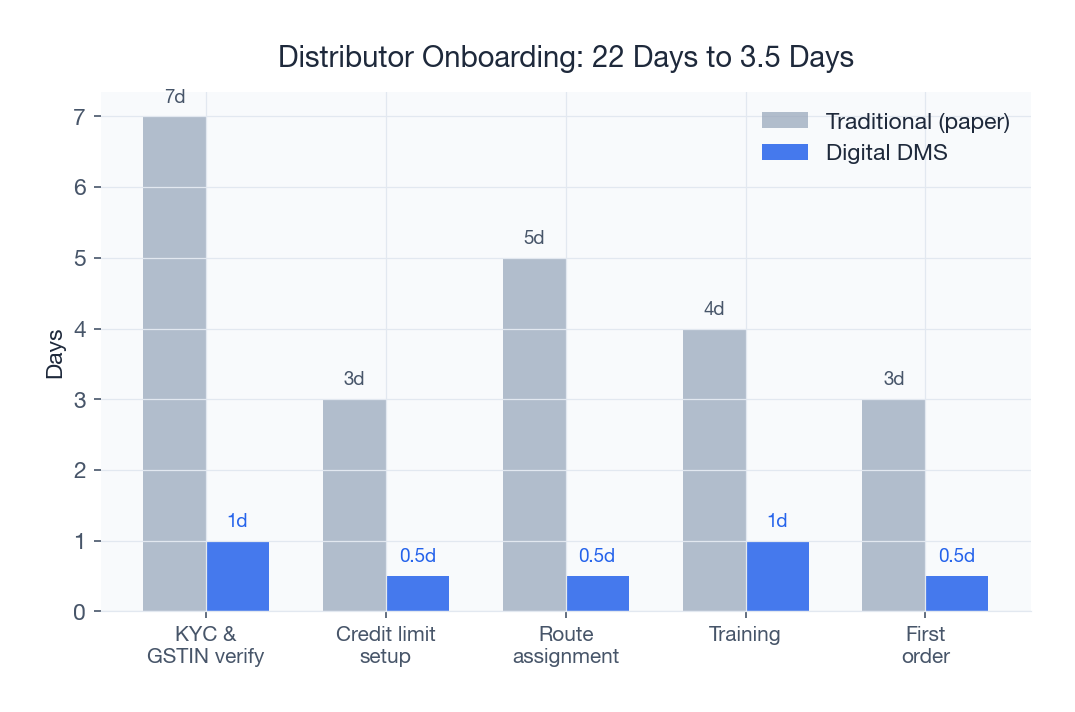
કેસ સ્ટડી 1: Shubham Dairy, પુણે — ડેરી ડિસ્ટ્રિબ્યુશન
Shubham Dairy પુણે અને સતારામાં 120 ડિસ્ટ્રિબ્યુટર્સ દ્વારા દૂધ, દહીં, પનીર અને છાશનું વિતરણ કરે છે. તેમની Tally-આધારિત કામગીરીમાં 3 પૂર્ણ-સમય બિલિંગ સ્ટાફ હતા જે ફોન ઓર્ડર Tally માં મેન્યુઅલી દાખલ કરીને દરરોજ 180-220 ઇન્વોઇસ પ્રક્રિયા કરતા હતા. ક્રેટ ટ્રેકિંગ રજિસ્ટરમાં થતું હતું, અને વાર્ષિક ક્રેટ નુકસાન Rs 28 લાખ હતું. સ્કીમ ગણતરીઓ Excel માં મેનેજ થતી હતી, જે ડિસ્ટ્રિબ્યુટર્સ સાથે મહિને 15-20 વિવાદો તરફ દોરી જતી હતી.
માઇગ્રેશન અભિગમ: 30 પાયલટ ડિસ્ટ્રિબ્યુટર્સ સાથે 3-અઠવાડિયાનો પેરેલલ રન, અઠવાડિયા 4 સુધી સંપૂર્ણ નેટવર્ક પર વિસ્તરણ. એકાઉન્ટિંગ સાતત્ય માટે પ્રથમ દિવસથી Tally ઇન્ટિગ્રેશન સક્રિય.
| મેટ્રિક | પહેલાં (Tally) | પછી (DMS + Tally) | અસર |
|---|---|---|---|
| દૈનિક બિલિંગ સમય | 4.5 કલાક (3 સ્ટાફ) | 45 મિનિટ (1 સ્ટાફ) | 83% ઘટાડો |
| વર્ષ દીઠ ક્રેટ નુકસાન | Rs 28 લાખ | Rs 4.2 લાખ | 85% ઘટાડો |
| મહિને સ્કીમ વિવાદો | 15-20 | 0 | દૂર થયા |
| ઓર્ડર-થી-ડિસ્પેચ સમય | 3 કલાક | 40 મિનિટ | 78% ઝડપી |
| મહિનાના અંતનું ક્લોઝિંગ | 7 દિવસ | 1.5 દિવસ | 79% ઝડપી |
| વાર્ષિક પગાર બચત (બિલિંગ સ્ટાફ) | - | Rs 7.2 લાખ | 2 FTEs ફરી તૈનાત |
ROI હાંસલ: 10 અઠવાડિયા. DMS ખર્ચ Rs 8.4 લાખ સામે કુલ પ્રથમ-વર્ષ બચત Rs 42 લાખ. ફાઇનાન્સ ટીમ તેમના વર્કફ્લોમાં કોઈ ફેરફાર વગર તમામ વૈધાનિક પાલન અને GST ફાઇલિંગ માટે Tally નો ઉપયોગ ચાલુ રાખે છે.
કેસ સ્ટડી 2: Disha FMCG Distributors, અમદાવાદ — મલ્ટિ-બ્રાન્ડ FMCG
Disha અમદાવાદ અને સુરતમાં 85 ડિસ્ટ્રિબ્યુટર્સ અને 2,400 રિટેલર્સ દ્વારા 8 FMCG બ્રાન્ડ્સનું વિતરણ કરે છે. તેમની 22 લોકોની સેલ્સ ટીમ કોઈ ડિજિટલ ટૂલ વગર કાર્ય કરતી હતી, કાગળ પર ઓર્ડર લેતી અને બિલિંગ ડેસ્ક પર કૉલ કરતી હતી. Tally બિલિંગ અને એકાઉન્ટિંગ સંભાળતી હતી. સેકન્ડરી સેલ્સ, રૂટ કાર્યક્ષમતા અથવા રિટેલર-લેવલ પ્રદર્શનમાં શૂન્ય વિઝિબિલિટી હતી. મેનેજમેન્ટ ટીમ માસિક MIS રિપોર્ટ્સના આધારે નિર્ણયો લેતી હતી જે મેન્યુઅલી તૈયાર કરવામાં 5 દિવસ લાગતા હતા.
માઇગ્રેશન અભિગમ: અમદાવાદ (50 ડિસ્ટ્રિબ્યુટર્સ) થી શરૂ થયેલ તબક્કાવાર રોલઆઉટ, 3 અઠવાડિયા પછી સુરત સુધી વિસ્તરણ. ફિલ્ડ સ્ટાફ તાલીમ 2 દિવસોમાં દરેક ટેરિટરીમાં સમર્પિત ડિજિટલ ચેમ્પિયન્સ સાથે હાથ ધરાઈ.
| મેટ્રિક | પહેલાં (Tally) | પછી (DMS + Tally) | અસર |
|---|---|---|---|
| ફિલ્ડ ફોર્સ ઉત્પાદકતા | 8 રિટેલર મુલાકાતો/દિવસ | 14 રિટેલર મુલાકાતો/દિવસ | 75% સુધારો |
| ઓર્ડર ચોકસાઈ | 88% | 99.2% | નજીક-સંપૂર્ણ |
| MIS રિપોર્ટ તૈયારી | 5 દિવસ (મેન્યુઅલ) | રીઅલ-ટાઇમ ડેશબોર્ડ | મેન્યુઅલ MIS દૂર |
| સેકન્ડરી સેલ્સ વિઝિબિલિટી | 0% | 100% | સંપૂર્ણ વિઝિબિલિટી |
| ચૂકવણી કલેક્શન ચક્ર | 24 દિવસ | 14 દિવસ | 42% ઝડપી |
| ઇંધણ ખર્ચ (ફ્લીટ) | Rs 18 લાખ/વર્ષ | Rs 12.6 લાખ/વર્ષ | 30% ઘટાડો |
ROI હાંસલ: 14 અઠવાડિયા. મેનેજમેન્ટ ટીમ હવે 5-દિવસ-જૂની સ્પ્રેડશીટ્સને બદલે રીઅલ-ટાઇમ analytics dashboards ના આધારે નિર્ણયો લે છે. Tally ઇન્ટિગ્રેશન લેયર દ્વારા તમામ એકાઉન્ટિંગ સરળતાથી સંભાળવાનું ચાલુ રાખે છે.
કેસ સ્ટડી 3: Sagar Beverages, નાગપુર — પીણા ડિસ્ટ્રિબ્યુશન
Sagar Beverages નાગપુર અને વિદર્ભમાં 65 ડિસ્ટ્રિબ્યુટર્સ દ્વારા પેકેજ્ડ વોટર, જ્યુસ અને કાર્બોનેટેડ પીણાંનું વિતરણ કરે છે. ઉનાળા દરમિયાન 3x ની મોસમી માંગના સ્પાઇક્સ તેમની Tally-આધારિત કામગીરીમાં અંધાધૂંધી સર્જતા હતા. પીક સીઝન દરમિયાન બિલિંગ ટીમ 12-કલાકના દિવસો કામ કરતી, ઉનાળાના મહિનાઓમાં એકલા Rs 18 લાખનું ક્રેટ નુકસાન વધી જતું, અને રૂટ પ્લાનિંગ સંપૂર્ણપણે અનુભવ-આધારિત હતી, ડ્રાઇવર્સ પર આધાર રાખીને જે "વિસ્તાર જાણતા હતા."
માઇગ્રેશન અભિગમ: ઉનાળાના પીક પહેલાં પૂર્ણ થવા માટે ખાસ સમયાંતરિત માઇગ્રેશન. જાન્યુઆરી દરમિયાન તબક્કો 1 અને 2, ફેબ્રુઆરીમાં પેરેલલ રન, માર્ચની શરૂઆતમાં કટઓવર, અને એપ્રિલ-જૂન પીક પહેલાં સંપૂર્ણ ઑપ્ટિમાઇઝેશન.
| મેટ્રિક | પહેલાં (Tally) | પછી (DMS + Tally) | અસર |
|---|---|---|---|
| પીક સીઝન બિલિંગ ક્ષમતા | 350 ઇન્વોઇસ/દિવસ (તાણ હેઠળ) | 800 ઇન્વોઇસ/દિવસ (આરામદાયક) | 2.3x ક્ષમતા |
| ઉનાળાનું ક્રેટ નુકસાન | Rs 18 લાખ | Rs 3.1 લાખ | 83% ઘટાડો |
| રૂટ કાર્યક્ષમતા (km પ્રતિ ડિલિવરી) | 4.2 km | 2.8 km | 33% ટૂંકા રૂટ |
| ડ્રાઇવર ઓવરટાઇમ (પીક સીઝન) | Rs 4.8 લાખ/મહિને | Rs 1.6 લાખ/મહિને | 67% ઘટાડો |
| નવા ડ્રાઇવર ઓનબોર્ડિંગ સમય | 2 અઠવાડિયા (રૂટ શીખવા) | 1 દિવસ (GPS-માર્ગદર્શિત) | 93% ઝડપી |
ROI હાંસલ: 8 અઠવાડિયા (પીક સીઝન બચતથી ઝડપી). એકલા રૂટ ઑપ્ટિમાઇઝેશને પ્રથમ ઉનાળાની સીઝનમાં Rs 22 લાખ બચાવ્યા. Tally ઇન્ટિગ્રેશને સુનિશ્ચિત કર્યું કે ફાઇનાન્સ ટીમે તેમના એકાઉન્ટિંગ અને GST વર્કફ્લોમાં શૂન્ય વિક્ષેપનો અનુભવ કર્યો.
માઇગ્રેશનનો ખર્ચ vs Tally પર રહેવાનો ખર્ચ
પ્રશ્ન ક્યારેય "શું આપણે માઇગ્રેટ કરી શકીએ છીએ?" નથી. વાસ્તવિક પ્રશ્ન છે "શું આપણે ન કરી શકીએ?" Tally પોતે પરપેચ્યુઅલ લાઇસન્સ માટે Rs 18,000-54,000 ખર્ચે છે, જે સસ્તું લાગે છે. પરંતુ Tally પર ડિસ્ટ્રિબ્યુશન ચલાવવાનો સાચો ખર્ચ તે લાઇસન્સ ફી નીચેનો આઇસબર્ગ છે. છુપાયેલા ખર્ચ પગાર, ભૂલો, ગુમ થયેલ વેચાણ અને ગુમાવેલી ઉત્પાદકતામાં મૌનપણે સંગ્રહિત થાય છે.
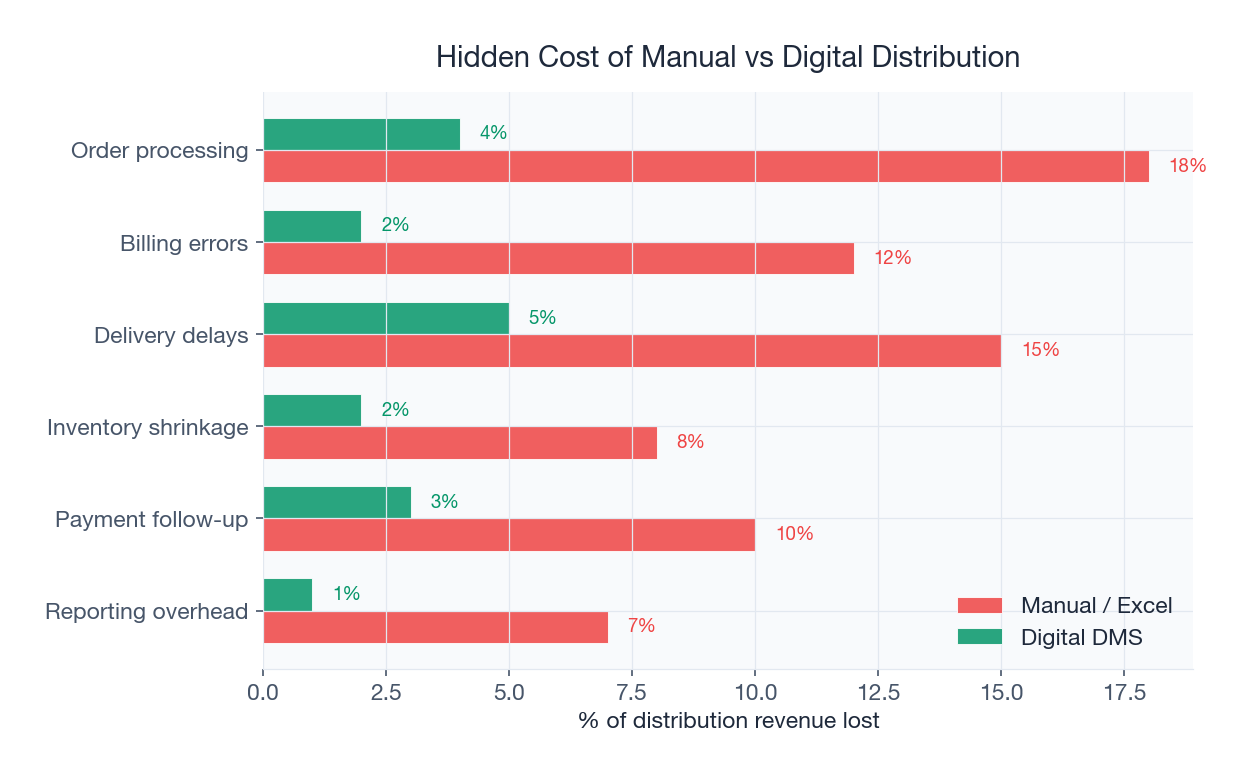
| ખર્ચ કેટેગરી | Tally-ઓન્લી કામગીરી (વાર્ષિક) | DMS + Tally કામગીરી (વાર્ષિક) |
|---|---|---|
| સોફ્ટવેર લાઇસન્સિંગ | Rs 18,000-54,000 (એક-વખત) | Rs 6-15 લાખ (SaaS સબ્સ્ક્રિપ્શન) |
| મેન્યુઅલ બિલિંગ સ્ટાફ (2-3 FTEs) | Rs 6-9 લાખ | Rs 2-3 લાખ (1 FTE) |
| સ્કીમ ગણતરી ભૂલો | Rs 8-20 લાખ (લીકેજ) | Rs 0 (ઑટોમેટેડ) |
| ક્રેટ અને એસેટ નુકસાન | Rs 10-35 લાખ | Rs 2-5 લાખ |
| ઇંધણ બિનકાર્યક્ષમતા (બિન-ઑપ્ટિમાઇઝ્ડ રૂટ) | Rs 12-30 લાખ | Rs 8-20 લાખ |
| ઓવરડ્યુ કલેક્શન (વર્કિંગ કેપિટલ ખર્ચ) | Rs 15-40 લાખ (વ્યાજ સમકક્ષ) | Rs 5-15 લાખ |
| MIS અને રિપોર્ટિંગ શ્રમ | Rs 3-6 લાખ | Rs 0 (ઑટોમેટેડ ડેશબોર્ડ) |
| ગુમ થયેલ વેચાણ (કોઈ સેકન્ડરી વિઝિબિલિટી નહીં) | Rs 20-50 લાખ (અંદાજિત) | Rs 5-12 લાખ |
| કુલ વાર્ષિક ખર્ચ | Rs 74 લાખ-1.9 કરોડ | Rs 28-70 લાખ |
મધ્યમ-કદના ડિસ્ટ્રિબ્યુટર (100-200 ડિસ્ટ્રિબ્યુટર્સ, Rs 50-100 કરોડ વાર્ષિક ટર્નઓવર) માટે, એકલા Tally પર રહેવાનો છુપાયેલ ખર્ચ વાર્ષિક Rs 74 લાખ થી Rs 1.9 કરોડ સુધી હોય છે. Rs 6-15 લાખની DMS સબ્સ્ક્રિપ્શન ફી આનો અંશ છે. સૌથી રૂઢિચુસ્ત સિનારિયોમાં પણ, માઇગ્રેશન ખર્ચ અને DMS સબ્સ્ક્રિપ્શન માટે ગણતરી પછી વર્ષ 1 માં નેટ બચત Rs 40 લાખ થી વધી જાય છે.
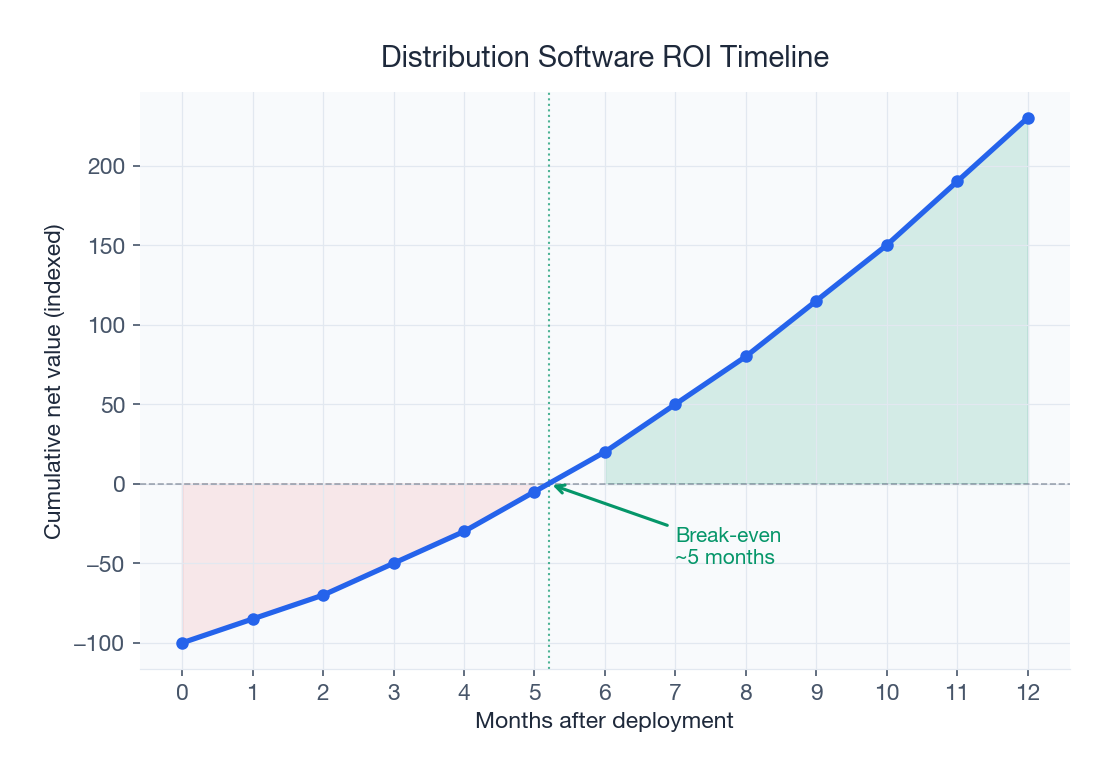
DMS રોકાણ માટે બ્રેકઇવન બિંદુ, જ્યાં સંચિત બચત કુલ રોકાણ સમાન હોય, સામાન્ય રીતે 8-14 અઠવાડિયા છે. તે પછી, કામગીરીનો દરેક મહિનો ચોખ્ખા હકારાત્મક વળતર પેદા કરે છે. માઇગ્રેશનને એક ત્રિમાસિક પણ વિલંબ કરવાથી ટાળી શકાય તેવા નુકસાનમાં Rs 18-47 લાખનો ખર્ચ થાય છે. તમારી ડિસ્ટ્રિબ્યુટર સંખ્યા માટે ચોક્કસ સબ્સ્ક્રિપ્શન ખર્ચ જોવા માટે અમારી pricing page તપાસો.
શરૂઆત: તમારા પ્રથમ 30 દિવસ
4,000-શબ્દની માર્ગદર્શિકા વાંચવી ઉપયોગી છે. પગલાં લેવા આવશ્યક છે. અહીં તમારા Tally-થી-DMS માઇગ્રેશનને ગતિ આપવા માટે કોંક્રીટ 14-દિવસની ક્રિયા યોજના છે.
પગલું 1: તમારી ફ્રી ટ્રાયલ શરૂ કરો (દિવસ 1-3)
SpireStock ની free 14-day trial માટે સાઇન અપ કરો. કોઈ ક્રેડિટ કાર્ડ જરૂરી નથી, કોઈ પ્રતિબદ્ધતા નથી. ટ્રાયલ દરમિયાન, તમને તમામ મોડ્યુલ્સની ઍક્સેસ મળે છે, order management, billing, scheme engine, crate management, route optimization, analytics, અને mobile app. પ્લેટફોર્મ એક્સપ્લોર કરો, જુઓ કે તે તમારા વર્કફ્લોને કેવી રીતે સંભાળે છે, અને તમારી સાથે પરીક્ષણ કરવા માટે 2-3 ટીમ સભ્યોને આમંત્રિત કરો.
પગલું 2: ડેટા ઇમ્પોર્ટ વિઝાર્ડનો ઉપયોગ કરો (દિવસ 4-10)
SpireStock નું ડેટા ઇમ્પોર્ટ વિઝાર્ડ તમને Tally એક્સપોર્ટ્સ અથવા CSV ફાઇલોમાંથી તમારા પ્રોડક્ટ માસ્ટર, ડિસ્ટ્રિબ્યુટર માસ્ટર અને પ્રાઇસિંગ સ્ટ્રક્ચર ઇમ્પોર્ટ કરવા દ્વારા માર્ગદર્શન આપે છે. વિઝાર્ડ તમે ઇમ્પોર્ટ કરો છો ત્યારે ડેટા ગુણવત્તાને માન્ય કરે છે, સિસ્ટમમાં પ્રવેશતા પહેલા ડુપ્લિકેટ્સ, ગુમ ફીલ્ડ્સ અને ફોર્મેટ સમસ્યાઓને ફ્લેગ કરે છે. મોટાભાગના મધ્યમ-કદના ડિસ્ટ્રિબ્યુટર્સ વિઝાર્ડનો ઉપયોગ કરીને 3-5 બિઝનેસ દિવસોમાં તેમની સંપૂર્ણ ડેટા આયાત પૂર્ણ કરે છે.
પગલું 3: 14-દિવસ પેરેલલ ટ્રાયલ ચલાવો (દિવસ 10-30)
તમારા 20-30 ડિસ્ટ્રિબ્યુટર્સ પસંદ કરો અને 14 દિવસ માટે Tally સાથે SpireStock દ્વારા તેમના ઓર્ડર પ્રક્રિયા કરો. બિલિંગ ચોકસાઈ માન્ય કરવા, સ્કીમ ગણતરીઓનું પરીક્ષણ કરવા, ક્રેટ ટ્રેકિંગ ચકાસવા અને સમય બચત માપવા માટે આ સમયગાળાનો ઉપયોગ કરો. 30 દિવસના અંતે, તમારી પાસે સંપૂર્ણ માઇગ્રેશન પર ગો/નો-ગો નિર્ણય લેવા માટે હાર્ડ ડેટા હશે, અભિપ્રાયો નહીં, ધારણાઓ નહીં, પણ તમારી પોતાની કામગીરીમાંથી વાસ્તવિક સંખ્યાઓ.
distributor management solution પ્રથમ દિવસથી Tally સાથે કામ કરવા માટે ડિઝાઇન કરાયેલ છે, તેથી તમે ક્યારેય સખત કટઓવરમાં દબાણ થતા નથી. તમે નાનું શરૂ કરી શકો, મૂલ્ય સાબિત કરી શકો, અને તમારી પોતાની ગતિએ વિસ્તરી શકો. જો તમે ખાસ કરીને ડેરી ડિસ્ટ્રિબ્યુશન મેનેજ કરો છો, તો અમારી dairy distribution વર્ટિકલમાં દૈનિક પુનરાવર્તિત ઓર્ડર, કોલ્ડ ચેઇન મેનેજમેન્ટ અને એક્સપાયરી-આધારિત ડિસ્પેચ માટે હેતુ-નિર્મિત વર્કફ્લો છે જે સામાન્ય પ્લેટફોર્મ સંઘર્ષ કરે છે.
Tally ની મર્યાદાઓથી આગળ વધવા તૈયાર છો? હજારો ભારતીય FMCG ડિસ્ટ્રિબ્યુટર્સે પહેલેથી જ સંક્રમણ કર્યું છે. Book a free demo અથવા આજે જ તમારી 14-દિવસની ટ્રાયલ શરૂ કરો. અમારી માઇગ્રેશન ટીમ તમને દરેક તબક્કા દ્વારા માર્ગદર્શન આપશે, ઓડિટથી ઑપ્ટિમાઇઝેશન સુધી, જ્યાં સુધી તમે સંપૂર્ણ રીતે કાર્યરત ન થાઓ ત્યાં સુધી સમર્પિત સપોર્ટ સાથે.
સ્ત્રોતો અને સંદર્ભો
- IBEF, India Brand Equity Foundation, FMCG Sector
- Tally Solutions, Tally Solutions Official Website
- NDDB, National Dairy Development Board
- GST Council, Goods and Services Tax Council
વારંવાર પૂછાતા પ્રશ્નો
હા. એક માળખાગત માઇગ્રેશન સક્રિય ઓપરેશનલ ડેટા (પ્રોડક્ટ માસ્ટર, ડિસ્ટ્રિબ્યુટર માસ્ટર, પ્રાઇસિંગ, ઓપનિંગ બેલેન્સ) DMS પર ખસેડે છે જ્યારે તમામ ઐતિહાસિક એકાઉન્ટિંગ ડેટા, ટેક્સ ફાઇલિંગ અને વૈધાનિક રેકોર્ડ Tally માં રાખે છે. બંને સિસ્ટમ ઇન્ટિગ્રેશન દ્વારા સાથે કામ કરે છે, તેથી કોઈ ડેટા ગુમાવાતો નથી.
સામાન્ય માઇગ્રેશન 5 તબક્કાઓમાં 9-11 અઠવાડિયા લે છે: ઓડિટ (2 અઠવાડિયા), ડેટા તૈયારી (2 અઠવાડિયા), પેરેલલ રન (4 અઠવાડિયા), કટઓવર (1 અઠવાડિયું), અને ઑપ્ટિમાઇઝેશન (ચાલુ). 50 થી ઓછા ડિસ્ટ્રિબ્યુટર્સ ધરાવતી નાની કામગીરી 6 અઠવાડિયા જેટલા ઓછા સમયમાં માઇગ્રેશન પૂર્ણ કરી શકે છે.
ના. હકીકતમાં, ભલામણ કરેલ અભિગમ એ છે કે એકાઉન્ટિંગ, GST પાલન અને વૈધાનિક ફાઇલિંગ માટે Tally રાખવી જ્યારે કામગીરી માટે DMS વાપરવી. SpireStock Tally Prime સાથે ઇન્ટિગ્રેટ થાય છે, બંને સિસ્ટમ વચ્ચે ઇન્વોઇસ, કલેક્શન અને ક્રેડિટ નોટ્સ આપોઆપ સિંક કરે છે.
DMS સબ્સ્ક્રિપ્શન ખર્ચ ડિસ્ટ્રિબ્યુટરની સંખ્યાના આધારે વાર્ષિક Rs 6-15 લાખ સુધી હોય છે. માઇગ્રેશન-વિશિષ્ટ ખર્ચ (ડેટા ક્લીનઅપ, તાલીમ, પેરેલલ રન પ્રયાસ) સામાન્ય રીતે એક-વખતનું રોકાણ તરીકે Rs 2-4 લાખ હોય છે. મોટાભાગના ડિસ્ટ્રિબ્યુટર્સ ઘટેલા મેન્યુઅલ શ્રમ, દૂર થયેલા સ્કીમ લીકેજ અને ઓછા ક્રેટ નુકસાન દ્વારા 8-14 અઠવાડિયામાં ROI હાંસલ કરે છે.
ત્રણ સૌથી મોટા જોખમો છે ગંદો ડેટા (ખોટો માસ્ટર ડેટા માઇગ્રેટ કરવો), પેરેલલ રન છોડવો (જે અણસારી ભૂલો કરી શકે છે), અને અપૂરતી સ્ટાફ તાલીમ. ત્રણેય યોગ્ય આયોજન સાથે ટાળી શકાય તેવા છે. આ માર્ગદર્શિકાનું 5-તબક્કાનું ફ્રેમવર્ક દરેક જોખમને વ્યવસ્થિત રીતે સંબોધે છે.
હા. SpireStock જેવા આધુનિક DMS પ્લેટફોર્મ ઑટો-કેલ્ક્યુલેટેડ ટેક્સ, સાચા HSN કોડ અને e-invoicing સપોર્ટ સાથે GST-અનુપાલન ઇન્વોઇસ જનરેટ કરે છે. DMS ઓપરેશનલ બિલિંગ સંભાળે છે જ્યારે વૈધાનિક રિપોર્ટિંગ માટે એન્ટ્રીઓ Tally સાથે સિંક કરે છે, જે તમને બંને બાજુ શ્રેષ્ઠ-વર્ગની ચોકસાઈ આપે છે.
આધુનિક DMS પ્લેટફોર્મ ભારતીય ડિસ્ટ્રિબ્યુશન કાર્યબળ માટે ડિઝાઇન કરાયેલ છે. SpireStock ની મોબાઇલ એપ ફિલ્ડ સ્ટાફને અડધા દિવસમાં શીખવા જેટલી સાહજિક છે. 1-2 દિવસોમાં ભૂમિકા-વિશિષ્ટ તાલીમ બિલિંગ, ડિસ્પેચ અને ફાઇનાન્સ વર્કફ્લો આવરી લે છે. દરેક પ્રદેશમાં ડિજિટલ ચેમ્પિયન્સ નિયુક્ત કરવાથી અપનાવવાની ગતિ વધે છે.
Tally એકાઉન્ટિંગ માટે ઉત્તમ છે પરંતુ ગંભીર ડિસ્ટ્રિબ્યુશન ક્ષમતાઓનો અભાવ છે: ઓર્ડર મેનેજમેન્ટ, સ્કીમ એન્જિન, રૂટ ઑપ્ટિમાઇઝેશન, ફિલ્ડ ફોર્સ ટ્રેકિંગ, ક્રેટ મેનેજમેન્ટ, સેકન્ડરી સેલ્સ વિઝિબિલિટી અને મોબાઇલ એપ્સ. 50 થી વધુ આઉટલેટ્સનું સંચાલન કરનારા અથવા બિલિંગ પર દરરોજ 2 કલાકથી વધુ સમય ગાળનારા ડિસ્ટ્રિબ્યુટર્સ કામગીરી માટે Tally થી આગળ વધી ગયા છે.
સંબંધિત SpireStock ફીચર્સ
મલ્ટિ-લેવલ મંજૂરી વર્કફ્લો સાથે પ્લેસમેન્ટથી ડિલિવરી સુધી એન્ડ-ટુ-એન્ડ ઓર્ડર લાઇફસાયકલ.
HSN કોડ, ગેટ પાસ અને ફાઇનાન્સ લેજર સાથે GST-કમ્પ્લાયન્ટ ઇન્વોઇસિંગ.
લવચીક ઇન્સેન્ટિવ સ્કીમ્સ, ફ્લેટ, બલ્ક-પેક અને જથ્થાત્મક, આપમેળે લાગુ.
પ્લાન્ટ, ટ્રાન્સપોર્ટર અને રિટેઇલ સ્તરો પર રિટર્નેબલ ક્રેટ્સનું સંપૂર્ણ ટ્રેકિંગ.
ઝોન, ટાઉન અને રૂટ આધારિત ડિલિવરી મેનેજમેન્ટ ઓપ્ટિમાઇઝેશન સાથે.
વેચાણ વલણો, MIS રિપોર્ટ્સ અને વિતરણ એનાલિટિક્સ સાથે શક્તિશાળી ડેશબોર્ડ્સ.
સંબંધિત ઉદ્યોગો
સંબંધિત એન્ટિટીઝ
તમારા વિતરણને સુવ્યવસ્થિત કરવા તૈયાર છો?
તમારી 14 દિવસની મફત ટ્રાયલ શરૂ કરો અને જુઓ કે SpireStock તમારા ડેરી, FMCG અથવા ગ્રાહક વસ્તુ વિતરણને ઓર્ડરથી ક્રેટ રિકવરી સુધી કેવી રીતે બદલી શકે છે.

SpireStock Team
ડિસ્ટ્રિબ્યુશન ટેક્નોલોજી નિષ્ણાતો
SpireStock Team SpireStock માટે ડિસ્ટ્રિબ્યુશન મેનેજમેન્ટ, સપ્લાય-ચેઇન ઑપ્ટિમાઇઝેશન અને ભારતીય ડેરી અને FMCG બ્રાન્ડ્સ માટેના ફીલ્ડ ઑપરેશન્સ પર લખે છે.