Chennai: India's Beverage Distribution Pressure Cooker
Beverages are the most temperature-sensitive, demand-volatile and regulation-heavy category in Indian FMCG, and nowhere are all three pressures more extreme than in Chennai. Summers cross 42 degrees C, humidity stays above 80% for eight months of the year, and monsoons deliver 140 cm of rain in concentrated bursts. These conditions make beverage distribution in Chennai a daily exercise in operational discipline. Miss a beat and inventory spoils. Miss a truck and retailers run out during peak demand. Miss a scheme and competitors steal shelf space in hours.
Across the wider Tamil Nadu beverage market, Chennai represents 40-45% of consumption by value. Brands that cannot serve Chennai cannot serve the state. And brands that do serve Chennai well usually win the entire South India region on the strength of that foothold.
Chennai Beverage Market Snapshot
| Metric | Chennai | Tamil Nadu |
|---|---|---|
| Population (2026) | 1.22 crore | 7.7 crore |
| Annual beverage consumption | Rs 12,500 crore | Rs 28,000 crore |
| Peak summer demand spike | 280% above baseline | 210% |
| Retail outlets selling beverages | 1.1 lakh | 4.2 lakh |
| Active beverage distributors | 1,800+ | 5,400 |
| HORECA share | 28% | 18% |
| Average delivery window | 6 AM - 11 AM | 6 AM - 12 noon |
The Five Challenges That Define Chennai Beverage Distribution
1. Heat and Cold Chain Fragility
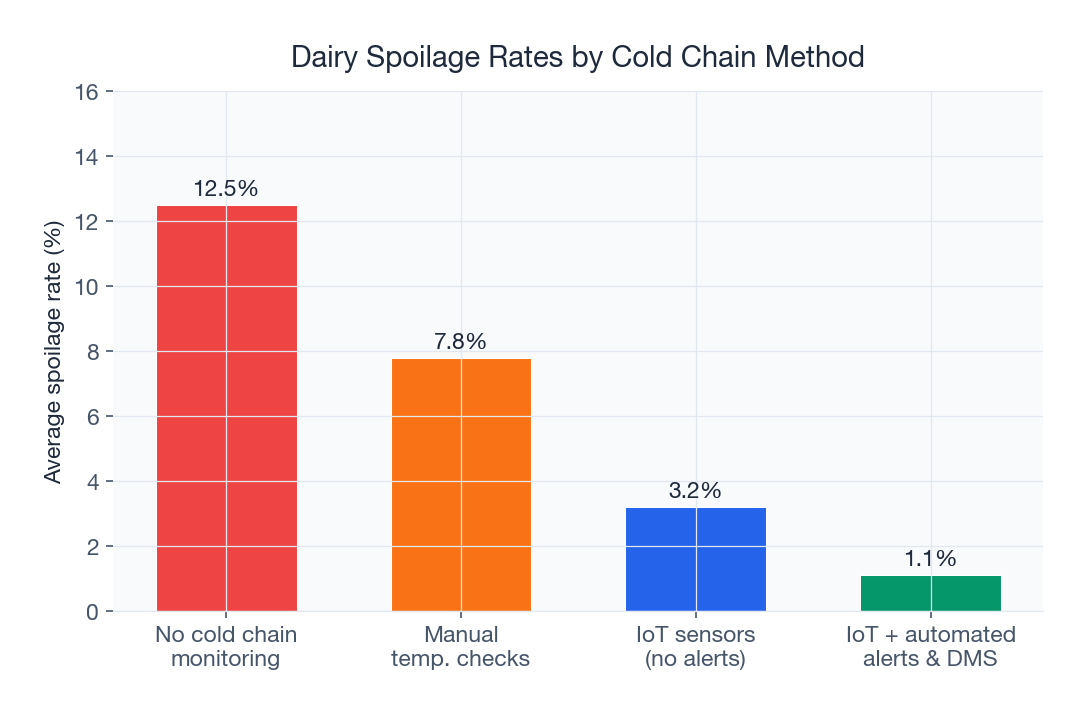
Juices, dairy beverages, energy drinks and flavoured milk all deteriorate rapidly above 20 degrees C. Chennai's ambient heat means cold chain discipline has to be military-grade. IoT-enabled reefer trucks, temperature logging at every transfer and real-time distribution tracking are the only way to protect product quality during last-mile movement.
2. Extreme Demand Volatility
A 40 degrees C day triggers a 3x surge in beverage demand within hours. Paper-based reordering can't keep up. Automated order management with weather-triggered reorder signals, AI demand forecasting and dynamic allocation are what separate brands that capture the surge from brands that stock-out.
3. HORECA Complexity
With 28% of beverage consumption flowing through restaurants, cafes, hotels and bars, Chennai distributors must serve 3,000+ HORECA accounts that each have unique delivery windows, credit terms and SKU mixes. A capable beverage distribution platform handles HORECA pricing, credit management and multi-delivery-per-day scheduling that kirana-focused tools simply cannot.
4. Monsoon Disruption
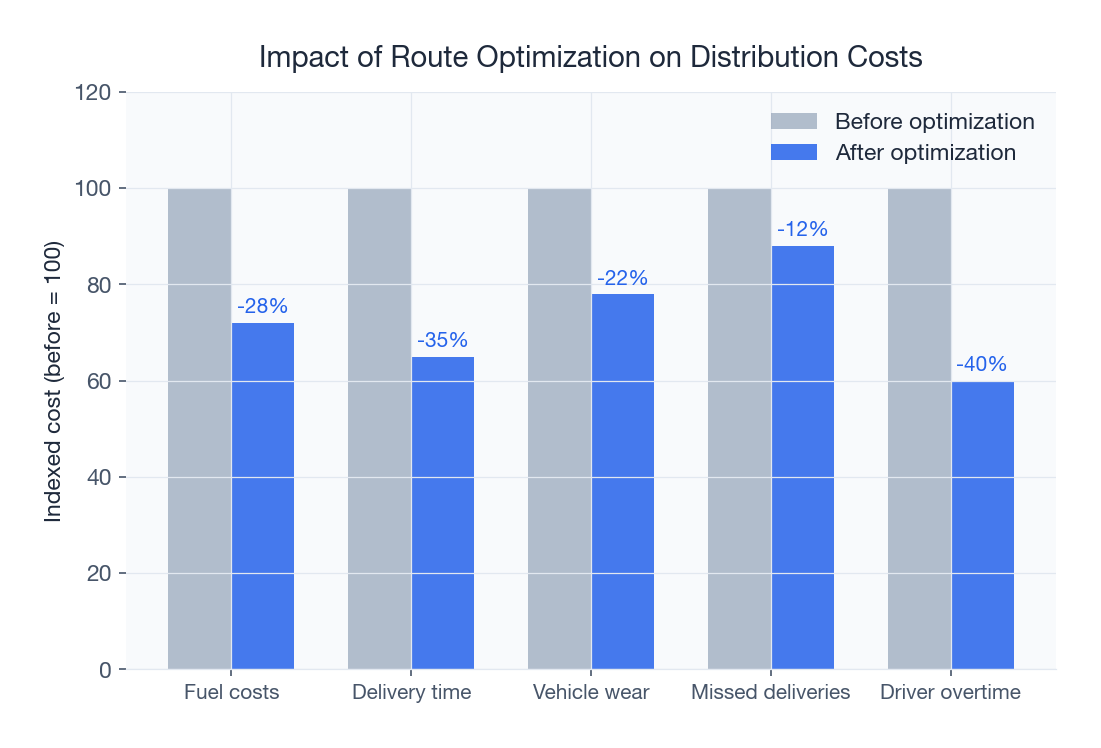
Chennai's northeast monsoon (October to December) regularly floods areas like T Nagar, Velachery and Mylapore. Deliveries get postponed, consumption spikes, and cold chain stress intensifies. Route optimization engines that reroute around flood-affected zones and proactively re-schedule deliveries save entire weeks of sales during heavy monsoon years.
5. Regulatory and Packaging Compliance
Beverage packaging regulations, plastic SUP bans, EPR compliance, recycling deposits, are evolving rapidly. Distributors tracking returnable bottles, crate deposits and compliance reporting need crate management software with asset-level serialisation to avoid penalties and lost assets.
How Chennai Beverage Brands Are Using Technology
AI Demand Forecasting
Weather APIs feeding directly into order management systems let brands pre-position inventory ahead of predicted heat waves. Some operators now run distributor-level auto-reorders that trigger when forecast temperatures cross a pre-set threshold.
Route Optimisation for Split Shifts
Chennai beverage routes often run twice daily, once early morning for kirana, once late afternoon for HORECA. Dual-shift route optimisation minimises vehicle idle time and doubles fleet utilisation compared to single-shift approaches.
Crate and Bottle Reconciliation
Glass bottles and returnable crates represent significant capital. Crate asset management workflows track each container's journey from warehouse to retailer and back, reducing annual write-offs by 60-70%.
Field Force Execution
Beverage sales reps visit 35-50 outlets daily in Chennai's heat. A robust mobile app with geo-fenced check-ins, offline order capture, photo-proof of planogram compliance and attendance tracking keeps the field force productive even in 45 degrees C weather.
Scheme Management
Beverage categories rely heavily on trade schemes, "buy 10 cases, get 1 free", SKU mix incentives, display counter offers. A capable scheme engine automates eligibility, calculation and settlement, making it possible to run 15-20 concurrent schemes without mayhem.
Case Study: A Mid-Sized Juice Brand in Chennai
A regional juice brand distributing across Chennai, Coimbatore, Madurai and Tiruchi was losing 6-8% of inventory to cold chain failures during peak summers. After deploying a beverage distribution platform with integrated IoT temperature monitoring, they reduced spoilage to under 0.8%, increased retailer coverage by 35%, and grew secondary sales 48% year on year. The key enabler was sales analytics that flagged underperforming beats within 24 hours instead of quarterly reviews.
Chennai Beverage Distribution Best Practices
- Start deliveries at 5 AM to beat heat and traffic
- Maintain reefer backup, at least 15% reserve capacity during summers
- Use HORECA-specific routes with afternoon delivery windows
- Implement crate deposits digitally, not on paper
- Pre-position inventory during forecasted heat waves
- Track scheme compliance weekly, not monthly
- Integrate payment collection to shorten HORECA credit cycles
What's Next for Chennai Beverage Distribution
Electric reefer vehicles, drone-based demand sensing and AI-driven shelf monitoring are all under pilot in Chennai. Whatever the tech, the fundamentals remain: execute the cold chain, protect the asset, maximise the beat. Operators ready to modernise can compare leading platforms in our 2026 rankings, check pricing options, and talk to our Chennai beverage specialists about a two-city pilot.
Chennai Beverage Micro-Markets
T Nagar and Central Chennai
Chennai's commercial heart with heavy retail and HORECA density. Beverage distributors here handle everything from small kiranas to multi-storey shopping complexes. Traffic between Panagal Park and Pondy Bazaar is extreme from 9 AM onwards, so deliveries must finish by 8 AM.
Anna Nagar and Kilpauk
Middle-class residential with steady demand. Beverage SKUs rotate between breakfast drinks, school-lunch juice packs and evening refreshment categories. Demand forecasting driven by pincode-level consumption patterns helps distributors keep dead stock near zero.
OMR and IT Corridor
Chennai's tech belt hosts massive IT parks, SEZs and residential townships stretching from Thiruvanmiyur to Siruseri. Beverage demand here spikes around office lunch hours and evening commutes. Specialised routes servicing office canteens require mid-day delivery windows that standard beat schedules don't accommodate.
Velachery, Adyar and South Chennai
Dense residential with a mix of traditional and modern retail. Cold chain risk is high because outlets often have limited refrigeration during power cuts. Cold chain tracking with temperature alerts protects brand reputation.
The Cold Chain Equation
Chennai's beverage cold chain starts at the bottling plant and ends at the consumer's glass. Every step in between, bottling, palletising, warehousing, loading, transit, unloading, retailer cooler, is an opportunity for temperature abuse. Advanced IoT-enabled tracking now covers every link, generating an unbroken temperature record for each SKU batch. This documentation is increasingly demanded by modern trade and health-conscious consumers.
Monsoon Operations Playbook
Chennai's northeast monsoon brings unique challenges: flash flooding, vehicle inaccessibility to low-lying areas, power cuts affecting warehouses and increased beverage demand due to disrupted home routines. Pre-season preparation includes:
- Mapping flood-prone pincodes and pre-setting alternative routes
- Stocking 5-7 days of buffer inventory at strategic sub-warehouses
- Ensuring 24+ hours of diesel backup at cold rooms
- Pre-registering all vehicles with municipal emergency access passes
- Running dry-run drills with the field force in October
Operators that run these drills annually consistently outperform peers by 25-35% during actual monsoon disruptions.
HORECA Distribution Deep Dive
Chennai's HORECA ecosystem includes over 3,000 restaurants, 500+ hotels, 800+ canteens and hundreds of standalone cafes. Each has unique requirements: price lists, minimum order quantities, delivery windows, credit terms and damage-return policies. Serving this channel profitably requires a dedicated workflow inside your distribution software. Distributor management platforms with HORECA-specific templates reduce onboarding time for new accounts from 5 days to 2 hours.
Scheme Complexity in Beverages
Beverage trade schemes are famously complex: multi-tier discounts, SKU-mix requirements, seasonal boosters, display incentives, category-expansion bonuses and slab-based rebates. A capable scheme engine can run 20+ concurrent schemes without manual calculation errors. Operators that still calculate schemes manually in Excel routinely leak 2-4% of gross margin every month.
Sustainability and EPR Compliance
With India's Extended Producer Responsibility (EPR) framework expanding, beverage distributors must now track returnable bottles, PET recycling, and waste disposal certifications. Software that integrates EPR reporting into crate asset management saves hours of monthly paperwork and ensures compliance.
Tamil Nadu Regulatory Environment
Tamil Nadu requires registration with the state food safety authority, local municipal trade licenses, and labour compliance for field staff. Chennai's enforcement is strict, random checks by FSSAI, state officials and municipal inspectors are common. A unified invoice and compliance module keeps all licenses, certificates and audit trails in one place.
Field Force Realities in Chennai Heat
Working a 9-hour field day in 42 degree C heat is physically demanding. Successful operators invest in hydration packs, air-conditioned warehouses, mid-day rest breaks and morale-boosting incentives tied to beat completion. Attendance tracking that monitors break compliance and productive hours without feeling punitive creates a sustainable working environment.
The Digital Retailer App Advantage
When Chennai retailers can place beverage orders via a mobile app at their own convenience, order accuracy improves dramatically. Phone-based ordering, which used to consume 2-3 hours of warehouse staff time daily, becomes near-zero. Order-to-dispatch cycles drop from 4 hours to 45 minutes. Retailers also tend to order more often and more consistently when the friction of phone-based ordering is removed.
Looking Forward: The Next Wave
AI-driven demand forecasting using weather data, sustainability-linked loyalty programmes, electric delivery vehicles, and direct-to-consumer beverage subscription services are all emerging in Chennai. Distributors that invest in platforms flexible enough to support these trends will be ready when customer expectations shift. To benchmark your operation, review our 2026 software rankings, explore SpireStock pricing tiers, or book a Chennai beverage distribution consultation.
Weather-Driven Demand Signals
Chennai's weather patterns directly drive beverage demand. A 2 degrees C temperature increase can lift cold beverage sales 30-40% within 48 hours. Progressive distributors now integrate weather API data directly into their order management systems, triggering automatic reorder suggestions when forecast temperatures cross thresholds. This "weather-triggered replenishment" can eliminate 60-80% of weather-related stock-outs.
SKU Strategy for Chennai
The Chennai beverage SKU mix differs notably from other cities:
- Higher share of traditional drinks (tender coconut water, rose milk, butter milk)
- Strong demand for large-format bottles (1.5L, 2L) in summer
- Growing premium segment (cold-pressed juices, kombucha, flavoured yogurt drinks)
- Steady demand for dairy beverages year-round (unlike North India)
- HORECA-driven demand for bulk formats (5L jerry cans, 20L kegs)
Matching your SKU portfolio to these patterns, guided by sales analytics, can yield 15-25% revenue lift over generic SKU strategies.
Tamil Nadu Market Expansion
Chennai is the anchor for Tamil Nadu, but the state has multiple important secondary markets. Coimbatore, Madurai, Tiruchi, Salem and Tirunelveli together represent 40-50% of TN beverage consumption. Distributors expanding from Chennai to these markets need:
- Long-haul reefer logistics from Chennai warehouses
- Regional sub-distributors with local expertise
- Adapted pricing and scheme structures
- Language support in Tamil for retailer app
- Integration with Chennai's analytics platform for unified visibility
Emerging Beverage Trends
Chennai is witnessing several emerging trends that will shape distribution over the next 2-3 years:
- Functional beverages, Probiotics, immunity boosters, vitamin drinks
- Sustainable packaging, Glass bottle returns and refillable formats
- D2C subscription, Home delivery of fresh juices and dairy beverages
- Traditional revival, Modern formats of filter coffee, butter milk and panagam
- HORECA premium, Artisanal beverages for cafes and gourmet restaurants
Distributors that align their platforms to support these trends will capture the growth; those that don't will lose relevance.
Building Cold Chain Resilience
The most successful Chennai beverage distributors invest in multi-layered cold chain resilience. This includes backup power for cold storage (minimum 4-6 hours of diesel), insulated vehicles with secondary cooling systems, temperature-monitored warehouse zoning and SOPs for handling power failures. During peak summers, these investments pay for themselves in avoided spoilage within a single month.
Distributor Appointment Strategy for Chennai
Chennai's beverage market rewards distributors with strong HORECA relationships. When appointing distributors, prioritise those who already serve 100+ restaurant and cafe accounts. Pure-kirana distributors can expand into HORECA later, but starting with existing HORECA networks accelerates the launch curve by 4-6 months.
Final Operational Advice
Chennai beverage distribution is unforgiving but immensely rewarding for operators who execute well. Invest in technology, invest in cold chain, invest in field force training and invest in HORECA relationships. Measure everything weekly. Act on data, not anecdotes. Use sales analytics dashboards to identify underperforming areas and intervene early. The distributors who win in Chennai consistently apply these principles; those who don't get displaced within 2-3 years.
Sources & References
Frequently Asked Questions
The primary challenges are extreme heat requiring rigorous cold chain management, fragmented retail with 3 lakh+ outlets, seasonal demand volatility, limited refrigerated vehicle availability, and high volumes of returnable container tracking.
Critical. Chennai's year-round high temperatures mean cold chain breaks lead to rapid product degradation. Real-time temperature monitoring, insulated/refrigerated vehicles, and time-optimized routes are essential for maintaining product quality.
The Tamil Nadu beverage market exceeds Rs 12,000 crore annually, with Chennai accounting for approximately 40% of the state's consumption. The market grows at 12-15% CAGR, driven by urbanization and premiumization.
Yes. SpireStock's platform handles distribution for dairy beverages, juices, packaged water, and other FMCG products. The core features, order management, route optimization, crate tracking, and analytics, apply to any perishable distribution operation.
Chennai's northeast monsoon (October-December) brings heavy rainfall and flooding that disrupts distribution routes. Smart distribution software with contingency route planning and real-time tracking helps distributors maintain service levels during disruptions.
Related SpireStock Features
Related Solutions
GPS fleet tracking, driver management, and route optimization for dairy and FMCG delivery vehicles. Reduce fuel costs by 25%. Try SpireStock.
Manage your entire distributor network digitally. Onboarding, credit limits, outstanding tracking, and performance analytics. Start free trial.
Related Entities
Ready to Streamline Your Distribution?
Start your free 14-day trial and see how SpireStock can transform your dairy, FMCG or consumer-goods distribution operation, from order capture to crate recovery.

SpireStock Team
Distribution Technology Experts
SpireStock Team writes for SpireStock on distribution management, supply-chain optimisation and field operations for Indian dairy and FMCG brands.