Jaipur: The Gateway to Rajasthan's Dairy Economy
Jaipur is the beating heart of Rajasthan's dairy market. With over 45 lakh residents and a rapidly growing urban middle class, the Pink City anchors the distribution networks that serve the rest of Rajasthan, from Udaipur to Bikaner to Jodhpur. For dairy operators, Jaipur is both a consumption powerhouse and a logistical launchpad for reaching the state's sprawling rural markets. Handling it well requires distinctly Rajasthani operational thinking: long distances, tough climate, cooperative-dominated sourcing and deeply traditional retail formats.
Rajasthan Cooperative Dairy Federation (RCDF), under the Saras brand, dominates the organised dairy market. Private brands like Amul, Mother Dairy and regional players like Param and Bharat compete in Jaipur city, but their rural reach is limited. Any modern dairy operator entering Rajasthan learns quickly that the state's sheer size, 3.4 lakh square kilometres, demands distribution software built for long hauls, not just urban dense beats.
Jaipur and Rajasthan Dairy Snapshot
| Metric | Jaipur | Rajasthan |
|---|---|---|
| Population (2026) | 45 lakh | 8.2 crore |
| Daily milk consumption | 14 lakh litres | 95 lakh litres |
| Dairy cooperatives (villages) | 1,200+ | 13,500+ |
| Registered dairy distributors | 850+ | 5,200+ |
| Dominant brand | Saras (~55%) | Saras (~62%) |
| Summer peak temperature | 45-47 degrees C | 47-49 degrees C |
| Rural-urban distribution split | 60-40 | 75-25 |
Dairy Distribution Challenges in Jaipur and Rajasthan
1. Vast Geographic Spread
Rajasthan is India's largest state by area. A single district may require 150-200 km of travel between procurement villages and processing plants. Route optimization that accounts for long-haul legs, fuel optimisation and multi-drop tanker sequencing is non-negotiable for cooperative and private operators alike.
2. Harsh Summer Conditions
With temperatures regularly crossing 45 degrees C from April to June, cold chain integrity is extraordinarily difficult. BMCs in villages, insulated tankers for transport and refrigerated trucks for urban last-mile are all critical. Real-time distribution tracking with temperature alerts prevents spoilage during transit.
3. Power Reliability in Rural Areas
Village-level milk chilling infrastructure still faces power outages of 2-4 hours daily in some districts. Backup generators and solar-powered chillers are now being deployed, and digital monitoring flags the moment BMC temperatures rise above acceptable limits.
4. Traditional Retail Dominance
Modern trade in Rajasthan is still below 10% of dairy sales. Kirana outlets, halwai shops and sweet-makers dominate the retail landscape. Distribution platforms must handle small-ticket orders, cash-on-delivery cycles and manual reconciliation patterns that are different from metro kiranas. A capable order management system designed for high-frequency small orders is essential.
5. Festival-Driven Demand Spikes
Rajasthan's festival calendar, Teej, Gangaur, Diwali, Holi, and countless regional celebrations, causes dairy demand to spike 200-300% within 48-hour windows. Paper-based planning cannot cope. Scheme engines with festival-aware promotion workflows and sales analytics for demand forecasting give operators the edge.
How Technology Is Reshaping Rajasthan Dairy Distribution
Village-Level Digitisation
AMCUs (Automated Milk Collection Units) in 8,000+ Rajasthani villages have replaced manual registers. Farmers receive SMS confirmation of weight, fat content and payment within minutes. This transparency has lifted farmer loyalty and procurement volumes by 20-30%.
Multi-Plant Coordination
Cooperative unions often run 3-5 processing plants simultaneously. Multi-plant distribution software balances incoming milk volumes across plants based on capacity, SKU mix and finished goods demand.
Rural Last-Mile Execution
Delivering to a kirana 120 km from Jaipur demands disciplined scheduling. A mobile app with offline order capture works where connectivity is patchy, and GPS-based attendance tracking ensures drivers don't deviate from planned routes.
Crate and Returnable Asset Tracking
Even in rural beats, crate losses can cost lakhs annually. Digital crate management with QR-coded tracking has reduced losses by 60-75% for early adopters.
GST and Billing Compliance
Rajasthan's sprawling geography means cross-state movements are common, especially with Gujarat, MP and Haryana. Automated GST-compliant invoicing with e-way bill integration saves distributors hundreds of hours monthly.
Case Study: A Jaipur Sweets Chain's Supply Turnaround
A well-known Jaipur sweets chain with 45 outlets across Rajasthan was struggling to keep fresh milk, curd and paneer supplied to each outlet daily. Stockouts were common during weekends, and spoilage ran at 6-8% during summers. After deploying an integrated dairy distribution platform with demand forecasting, cold chain monitoring and retailer tracking, their stockouts dropped by 85%, spoilage fell to 1.2%, and they added 18 new outlets in 10 months on the strength of reliable supply.
Rajasthan Dairy Distribution Best Practices
- Invest in village-level infrastructure, clean procurement upstream is the foundation
- Pre-plan summer cold chain capacity 60 days before peak season
- Map festival calendars into your analytics for demand surges
- Use digital attendance and route discipline in rural beats
- Consolidate long-haul routes with multi-drop tanker sequencing
- Integrate payment collection to handle the cash-heavy rural economy
What's Next for Rajasthan Dairy
Solar-powered BMCs, electric reefer vehicles for urban Jaipur and drone-based quality sensing are all in early pilots. The operators that embrace these tools early will define Rajasthan's dairy landscape for the next decade. To start your own digital journey, compare top platforms in our 2026 software rankings, review pricing options, or book a consultation with our Rajasthan cooperative specialists.
Rajasthan's Regional Dairy Markets
Jaipur City and Surrounding Urban Belt
Jaipur is the largest dairy consumption centre in the state, drawing supply from Saras Jaipur Dairy, Amul, Mother Dairy and private players. Urban consumption patterns are shifting rapidly, subscription-style doorstep delivery is emerging in neighbourhoods like Malviya Nagar, Vaishali Nagar and Mansarovar, while traditional kirana-led distribution still dominates in the old city.
Udaipur and Southern Rajasthan
Tourism-driven demand with heavy HORECA presence. Heritage hotels, resorts and Rajasthani sweet shops dominate the retail mix. Temperature extremes, rocky terrain and long supply distances make cold chain and route optimisation critical.
Jodhpur and Western Rajasthan
Arid, hot and geographically spread out. Distribution here demands long-haul tanker logistics from procurement villages to processing plants. Thermal insulation of tankers becomes a matter of product quality, not just efficiency.
Bikaner and Northern Belt
Famous for its sweet shops and ghee-heavy cuisine. Dairy distribution here skews toward premium ghee, khoya, paneer and milk powder. Festival-driven demand spikes are sharper than anywhere else in the state.
Kota and South-Eastern Rajasthan
Student-town dynamics with boarding hostels and institutional demand. Milk, curd and flavoured dairy beverages have steady daily cycles, a stable but low-margin distribution environment.
The Saras Brand Ecosystem
Rajasthan Cooperative Dairy Federation (RCDF) operates 21 district milk unions under the Saras brand. Together they process over 35 lakh litres daily, making Saras the third-largest state-level cooperative dairy federation in India after Amul (Gujarat) and KMF (Karnataka). Saras plants benefit from centralised multi-plant coordination software that balances incoming milk across processing capacities.
Power Reliability and the Solar Revolution
Village cooperatives in remote Rajasthan have historically suffered from 2-4 hours of daily outages. Solar-powered BMCs and cold rooms have dramatically reduced this vulnerability. The newest generation of solar units pair with cellular IoT to report temperature and power status in real time. Modern distribution platforms integrate this data so that supervisors can see, on a single map, which villages are experiencing cold chain risk at any moment.
Festival Demand Planning
Rajasthan's festival calendar is unusually dense. Teej (monsoon), Gangaur (spring), Raksha Bandhan, Karva Chauth, Diwali, Holi, and countless local religious observances all drive dairy demand spikes of 200-400%. Historical demand data stored in analytics dashboards allows operators to forecast festival spikes with 85-90% accuracy, preventing stock-outs and panic procurement.
Traditional Retail and Halwai Economy
Much of Rajasthan's dairy still flows through halwai shops (traditional sweet makers), halwai chains and kirana outlets. These customers order differently from modern trade, larger batches, unpredictable frequency, longer credit cycles and physical cash payments. Distribution software serving this segment must accommodate these rhythms without forcing them into a modern-retail template.
Long-Haul Operations Playbook
A Rajasthan dairy distributor may drive 200-300 km from plant to retail in a single day. Success depends on:
- Tankers with proper insulation and temperature monitoring
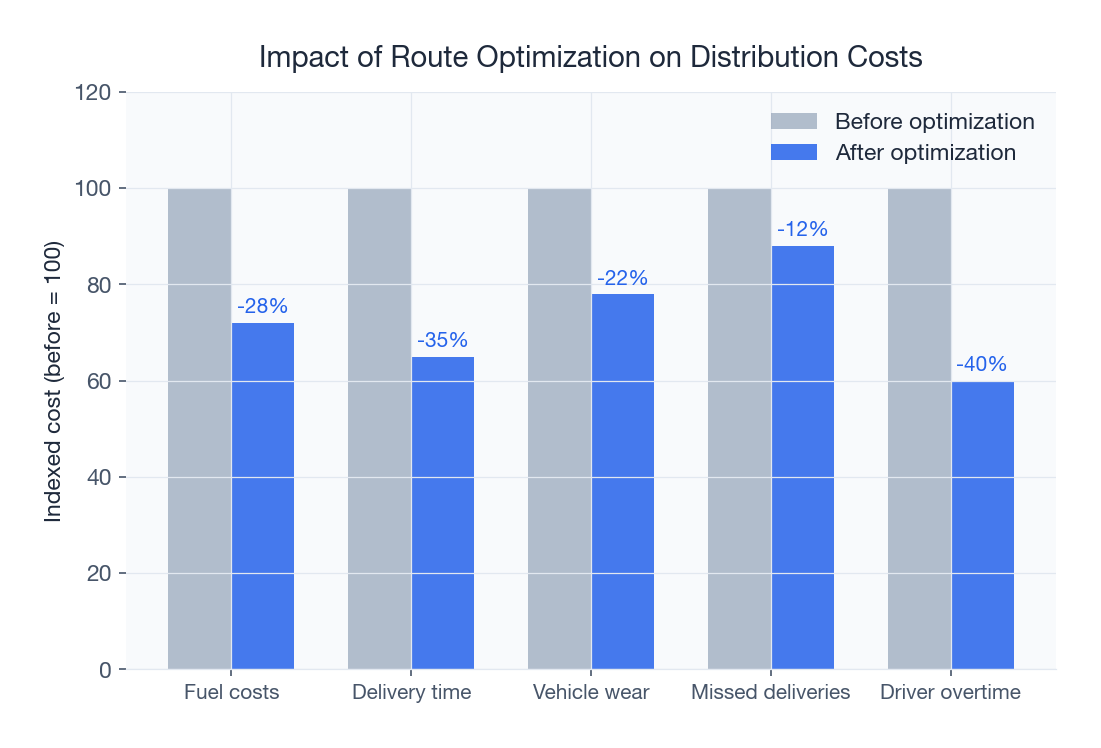
- Route sequencing optimised for fuel and time
- Multi-drop planning to avoid empty legs
- Driver rest-break compliance for safety
- Real-time GPS tracking for supervisor visibility
- Integration with fleet management for vehicle health monitoring
Benchmarks for Rajasthan Dairy Operations
| KPI | Average | Top-Quartile |
|---|---|---|
| Farmer payment cycle | 14-18 days | T+1 |
| Procurement growth (YoY) | 4-6% | 12%+ |
| Plant utilisation | 68% | 85%+ |
| Spoilage rate | 3-5% | Under 1% |
| Rural route completion | 80% | 96%+ |
| Festival demand accuracy | 70% | 92%+ |
The D2C Opportunity in Urban Rajasthan
Urban Rajasthan, primarily Jaipur, Jodhpur, Udaipur and Kota, presents a D2C subscription opportunity similar to Bangalore (though at smaller scale). Premium A2 milk, organic ghee and farm-to-door services are growing at 20-30% annually. Software that supports subscription models, consumer mobile apps and flexible delivery windows can help Rajasthani dairy startups capture this emerging segment.
Training and Language Considerations
Field staff in Rajasthan are typically most comfortable in Hindi, with many also fluent in Rajasthani, Marwari and Mewari. Mobile apps with full Hindi UI (not just Hinglish) and voice-based tutorials dramatically increase adoption and reduce training time.
Compliance and Regulatory Notes
Rajasthan requires FSSAI dairy licensing, state GST registration, Rajasthan Cooperative Societies Act compliance for cooperative units, and Mandi-level procurement documentation. A unified billing and compliance module handles this without manual overhead.
Where Rajasthan Dairy Is Heading
Solar cold chain infrastructure, digital farmer payments, D2C subscription services and export-grade ghee manufacturing are all growth frontiers. Operators ready to embrace these trends should review our 2026 dairy distribution software rankings, compare options on SpireStock pricing, or book a Rajasthan-specific consultation with our cooperative specialists.
Procurement Network Across Rajasthan
Rajasthan's dairy procurement spans 13,500+ village cooperatives, many of which are in semi-arid districts with challenging access. Collection tankers follow long loops, sometimes covering 250-400 km per day. Integrated tanker tracking with distribution tracking ensures quality is maintained during transit and arrival times are predictable for plant scheduling.
Rural Last-Mile Delivery Realities
Rural delivery in Rajasthan differs fundamentally from urban metros. Beats cover 80-150 km, drops are 20-30 per day (not 50-70), and retailers are geographically scattered. Optimising for fuel rather than traffic is the primary concern. Mobile apps must work offline because cellular connectivity is patchy in many districts. Training field staff in Hindi, Marwari, Rajasthani and Mewari accommodates regional language preferences.
Summer Cold Chain Challenge
With temperatures regularly exceeding 47 degrees C, summer cold chain in Rajasthan is extreme. Operators deploy:
- Pre-dawn dispatch (3-5 AM) to beat heat
- Double-insulated tankers and trucks
- Solar-assisted BMCs in villages
- Backup diesel generators at cold rooms
- Weather-aware demand forecasting
- Heat-resistant packaging for retail SKUs
Festival Planning Calendar
Rajasthan's festival calendar includes multiple high-spike events. Key planning windows:
- Teej (July-August): Sweets and ghee demand spike
- Gangaur (spring): Local festive dairy consumption
- Raksha Bandhan: Premium packaged sweets
- Diwali (October-November): Massive spike in ghee, khoya, paneer
- Wedding season (November-February): Sustained premium demand
- Holi (March): Dairy-heavy festive consumption
Historical data in analytics dashboards enables forecast accuracy above 90% for these events.
Cooperative Governance and Tech Adoption
Rajasthan Cooperative Dairy Federation operates 21 district unions under the Saras brand. Technology adoption has been steady but uneven, some unions (Jaipur, Udaipur, Kota) are relatively advanced, while others lag. The state-wide rollout of automated milk collection units (AMCUs) has been a major step forward, laying the foundation for digital farmer payments and quality-based procurement. Multi-plant distribution software is the natural next step for unions scaling beyond single-plant operations.
Private Brand Entry Strategy
Private dairy brands entering Rajasthan face the challenge of competing with Saras's deep cooperative reach. Successful entry strategies include:
- Focus on urban Jaipur, Udaipur and Kota first
- Premium SKU positioning (A2 milk, organic ghee, artisanal cheese)
- Direct-to-consumer subscription models in affluent neighbourhoods
- Partnerships with sweet shops and hotels
- Aggressive local marketing and brand-building
Lessons from Rajasthan for Arid-Zone Dairy Operations
Rajasthan's arid climate has forced operators to develop expertise that is now sought after across other arid Indian regions (parts of Gujarat, Madhya Pradesh and Karnataka). Core learnings include: solar-powered cold chain infrastructure as the default choice, tanker insulation as the first line of defence against heat, long-haul route optimisation that prioritises fuel efficiency, and digital farmer payment systems that build trust in remote villages.
Future Outlook
Rajasthan's dairy sector will continue growing at 6-8% annually, driven by urbanisation, premium product adoption and expanding export opportunities. Operators who modernise their platforms now will capture this growth. Those who remain on paper-based systems will watch digital-first competitors pull ahead. The choice has never been clearer.
Final Recommendations
If you are running a dairy operation in Rajasthan today, whether it is a cooperative union, a private brand or a D2C startup, the most important next step is to map your current operational gaps against what a modern dairy distribution platform can solve. Most operators discover 20-30 high-ROI opportunities in that first assessment. To explore what's possible, review our 2026 rankings or book a Rajasthan strategy call.
Sources & References
Frequently Asked Questions
Rajasthan produces over 300 lakh tonnes of milk annually, making it India's second-largest milk-producing state. The state's dairy market is valued at approximately Rs 50,000 crore, with Jaipur being the primary distribution hub.
Saras (RCDF) is the dominant brand, followed by Amul, Mother Dairy, and regional players. Private brands like Gopaljee and Parag are also growing their presence in the state.
Rajasthan's 45-48°C summer temperatures can cause rapid dairy spoilage. Distributors need robust cold chain infrastructure, pre-dawn delivery scheduling, and real-time temperature monitoring to maintain product quality during the 4-5 month summer period.
Yes, SpireStock's mobile app works fully offline. Field staff can capture orders, record deliveries, and track crates without internet connectivity. Data syncs automatically when connectivity is restored, making it suitable for Rajasthan's rural areas.
Tourism drives 30-50% demand increases in Jaipur and other tourist cities during October-March peak season. Hotels, restaurants, and tourist-area retailers need significantly more dairy products. Distribution software with demand forecasting helps manage these seasonal swings.
Related SpireStock Features
Related Solutions
GPS fleet tracking, driver management, and route optimization for dairy and FMCG delivery vehicles. Reduce fuel costs by 25%. Try SpireStock.
Manage your entire distributor network digitally. Onboarding, credit limits, outstanding tracking, and performance analytics. Start free trial.
Related Entities
Ready to Streamline Your Distribution?
Start your free 14-day trial and see how SpireStock can transform your dairy, FMCG or consumer-goods distribution operation, from order capture to crate recovery.

SpireStock Team
Distribution Technology Experts
SpireStock Team writes for SpireStock on distribution management, supply-chain optimisation and field operations for Indian dairy and FMCG brands.